Governor Newsom’s proposed budget would cut over $2 billion from transit infrastructure funds.


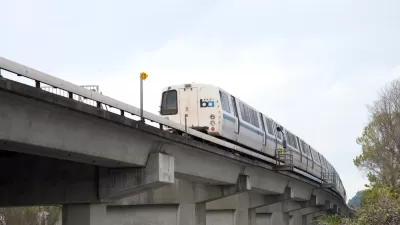
Despite warning calls from transit agencies across the state that they need state funding to survive the coming budget shortfalls, California Governor Gavin Newsom is pushing ahead with proposed transit spending cuts in next year’s budget, write Skylar Woodhouse and Eliyahu Kamisher in Bloomberg CityLab. “Facing a projected $32 billion budget deficit, Newsom is looking for ways to cut spending, including proposing a $2.2 billion reduction on transit infrastructure and no new funding for local public-transit providers.”
But transit agencies say continued low ridership is leading to a fiscal cliff. “In San Francisco, ridership on the Bay Area rapid transit system is about 40% below pre-pandemic levels, while the Los Angeles metro system is at about 70% of 2019 levels.” According to Emily Loper, vice president of public policy at the Bay Area Council, “If we are making it so difficult for people to commute — people of all income levels — we really risk losing our workforce to other regions and states.”
The article contrasts Newsom’s plan with New York, where Gov. Hochul approved a new payroll tax that could bring in an estimated $1.1 billion to fund the Metropolitan Transportation Authority (MTA).
FULL STORY: Newsom Maintains Transit Spending Cuts as Systems Beg for Cash

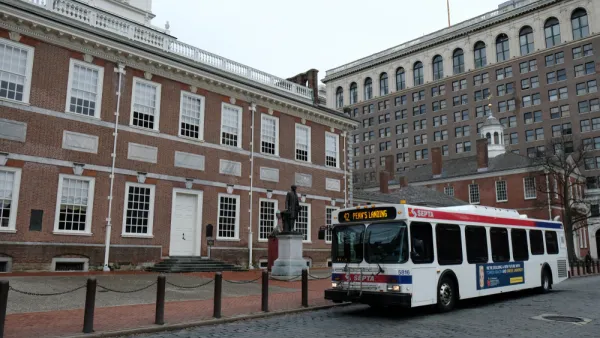
Digging Into SEPTA’s Problems
Philadelphia’s transit agency faces some structural challenges as it struggles to reorganize its services and bring back ridership.
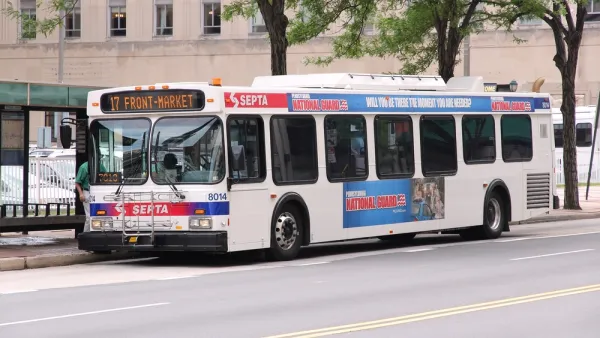
Big City Transit Agencies Face Budget Shortfalls
As rainy day funds and federal aid dwindle, transit agencies formerly reliant on farebox revenue are exploring new ways to fund their operations.
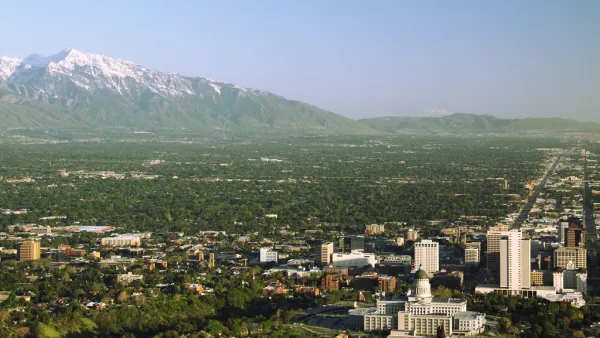
Opinion: Utah Transportation Bill a Step in the Right Direction
A Utah mayor writes in support of state legislation that tasks state agencies with coordinating major transit projects, citing it as a positive step toward accommodating Utah’s explosive growth.

The state-sanctioned urbicide of Austin
People don’t kill cities. Freeways do.

US to reduce Colorado River water deliveries to Mexico
A new Colorado Treaty amendment reduces Mexico’s Colorado River water allocation by 250,000 acre feet.

New Jersey’s second-largest city bans standalone data centers
Jersey City will continue to allow co-location facilities, such as those meant for research institutions that store their own data.

Amtrak not solely to blame for New Jersey commuter rail's unreliability, report finds
A new study from the Garden State Initiative found that NJ Transit’s budget grew 20% across a 4 year period, but reliability declined significantly over the same period.

EPA erases limits on planet-warming pollution from power plants
Under Monday’s plan, power plants would still have some limits on how much mercury, arsenic and other contaminants they can emit.

Phoenix announces new on-demand transit service, more frequent RAPID buses
Both new services will launch in October, and are part of Phoenix's Project Effective Access Solutions for Easing Congestion.

FREE Course: Walkable City 1: Why Walkability?
After describing his path towards focusing on walkability as the essence of good planning, Jeff Speck marches through his five principal reasons for making more walkable places.
Reinventing Malls: Planning Alchemy—Turning Gray Fields Into Gold
The course focuses on the opportunities and imperatives that shape reinvention of mall sites.

Eagle County Government
Harvard University Graduate School of Design
Nashville Planning Department
The Architects Foundation
University of Cincinnati Online
The Pocatello Development Authority
The Urban Renewal Agency of the City of Pocatello
Journal of the American Planning Association