Traffic safety advocates urge cities and states to lower speed limits and improve pedestrian infrastructure to stem the growth in traffic deaths and injuries.


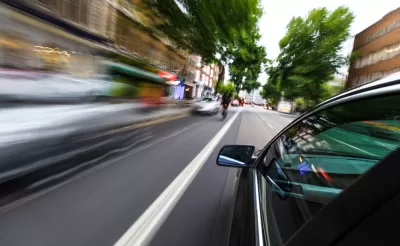
More people are dying on U.S. roads than any year since 2005, according to a recent report from the National Highway Traffic Safety Administration (NHTSA), with almost 43,000 people dying in vehicle crashes in both 2021 and 2022. As Michael Brady explains in Smart Cities Dive, the rise in deaths between 2020 and 2021 is “the second year-to-year increase since 2019 and the largest year-to-year percentage increase since the agency started collecting data in 1975, the report says.”
Fatalities among pedestrians and cyclists increased by 13 percent and 1.9 percent between 2020 and 2021, and “The estimated number of people injured on U.S. roadways also rose from 2.3 million in 2020 to 2.5 million in 2021 — a 9.4% year-to-year increase, NHTSA found.”
One solution supported by traffic safety advocates is lower speed limits, which have been shown to reduce the likelihood of crashes and injuries. “According to Rice University’s Kinder Institute for Urban Research, reducing speeds by 1 mph can decrease deadly crashes by 17%.” The Urban Institute also recommends automatic speed cameras, safer pedestrian infrastructure, and smaller vehicles as additional ways to reduce traffic deaths and injuries.
FULL STORY: US traffic deaths reach highest level since 2005: NHTSA

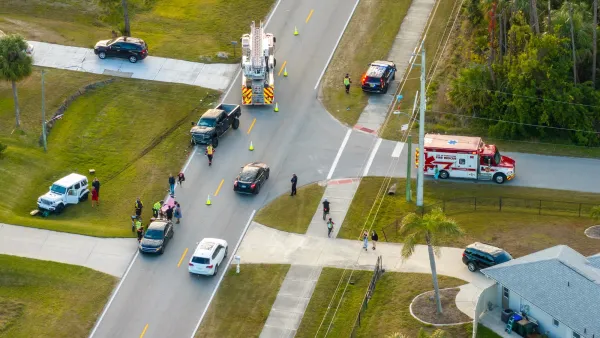
Pedestrian Deaths Fell by Largest Percentage in 15 Years, but Remain Above Pre-Pandemic Levels
After a spike in deaths during the Covid-19 years, road deaths fell to 3,024 in the first half of 2025.
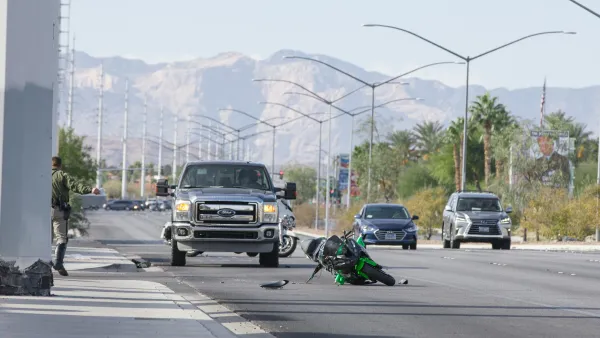
Nevada’s Highway Safety Plan Targets 35% Drop in Traffic Deaths by 2035
The 2026-2030 plan aims to reduce deaths and serious injuries with a long-term goal of eliminating traffic deaths by 2050.
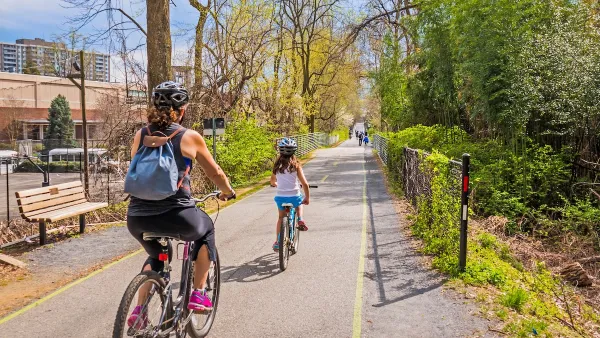
Proposed Bill Would Direct Funds to Road Safety
The Sarah Debbink Langenkamp Active Transportation Safety Act was spurred by the death of a U.S. diplomat who was killed on her bicycle.

The state-sanctioned urbicide of Austin
People don’t kill cities. Freeways do.

US to reduce Colorado River water deliveries to Mexico
A new Colorado Treaty amendment reduces Mexico’s Colorado River water allocation by 250,000 acre feet.

New Jersey’s second-largest city bans standalone data centers
Jersey City will continue to allow co-location facilities, such as those meant for research institutions that store their own data.

Amtrak not solely to blame for New Jersey commuter rail's unreliability, report finds
A new study from the Garden State Initiative found that NJ Transit’s budget grew 20% across a 4 year period, but reliability declined significantly over the same period.

EPA erases limits on planet-warming pollution from power plants
Under Monday’s plan, power plants would still have some limits on how much mercury, arsenic and other contaminants they can emit.

Phoenix announces new on-demand transit service, more frequent RAPID buses
Both new services will launch in October, and are part of Phoenix's Project Effective Access Solutions for Easing Congestion.

FREE Course: Walkable City 1: Why Walkability?
After describing his path towards focusing on walkability as the essence of good planning, Jeff Speck marches through his five principal reasons for making more walkable places.
Reinventing Malls: Planning Alchemy—Turning Gray Fields Into Gold
The course focuses on the opportunities and imperatives that shape reinvention of mall sites.

Eagle County Government
Harvard University Graduate School of Design
Nashville Planning Department
The Architects Foundation
University of Cincinnati Online
The Pocatello Development Authority
The Urban Renewal Agency of the City of Pocatello
Journal of the American Planning Association