A seven-story building will be exempt from local height regulations in exchange for providing affordable housing.



A 375-unit apartment development in Austin will be the first test of the city’s new ‘vertical mixed-use’ regulations that exempt developments from height limits if they meet affordability guidelines, reports James Rambin in Towers.
The building at 2001 South Lamar Boulevard will be built at 87 feet, 27 feet higher than the height limit in the area and 3 feet under the 90 foot limit in the new ordinance. Roughly 12 percent of the units will be affordable for households earning 60 percent or less of regional median income. “The building’s 45 affordable homes will remain income-restricted for a period of 40 years upon the project’s completion.”
For Rambin, “It’s hopefully evidence that the new guidelines of these latest modifications to the vertical mixed-use program are properly calibrated to incentivize the participation of local builders, since the proper percentages of affordable units required under the ordinance was a matter of debate for council last year.”
Read the full story: Bouldin Village Trades Height for Affordable Apartments on South Lamar

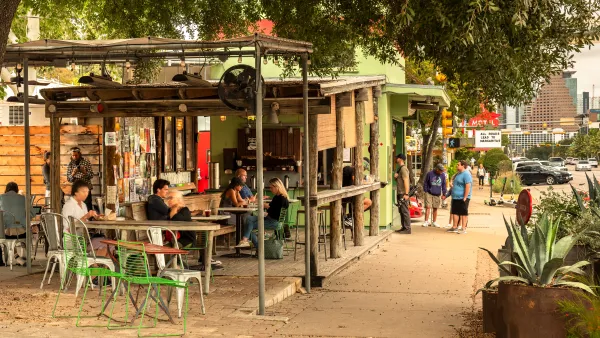
Large projects near Austin's light rail must include affordable housing
Elsewhere in the city, developers can pay into a city bank account for affordable housing rather than providing the required affordable units within their projects.
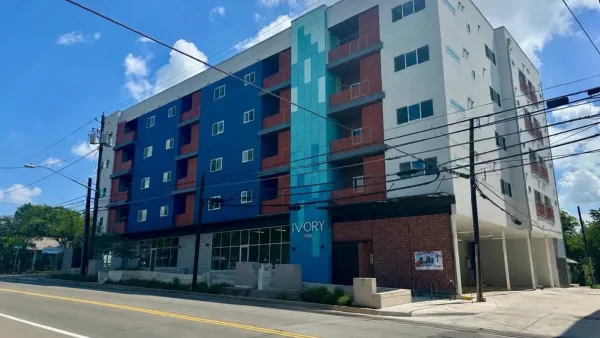
Austin opens city's first carless, affordable condo community
The Ivory building is all-electric and offers residents transit passes to encourage car-free living.
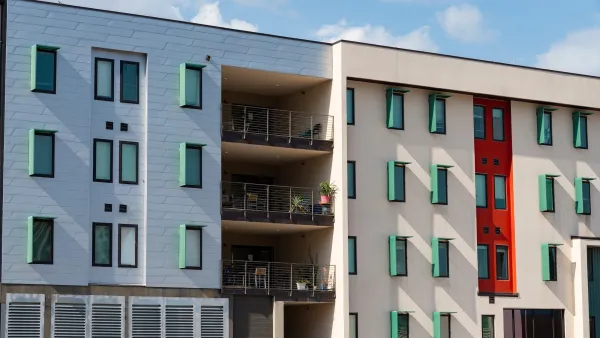
Austin's building boom fails to reach the poorest residents
Although the city has built thousands of new homes, few of them are available to the lowest-earning households.

Planetizen Federal Action Tracker
A weekly monitor of how Trump’s orders and actions are impacting planners and planning in America.

The state-sanctioned urbicide of Austin
People don’t kill cities. Freeways do.

Colorado’s Largest Data Center Could Rise Next to Homes — Without a Public Hearing
The proposed campus would consume 11 times the power of Denver International Airport; as it has across the country, opposition mounts.

Nation's most wind-powered state turns to coal as data centers increase energy demand
For the first time in decades, Iowa has increased its generation of coal power.

NYC cools commuters with city's first rain garden above a bus stop
New York City officials say the plants in the rain garden can absorb 16 gallons of rainwater during heavy storms.

Brightline West’s future may rely on $6 billion federal loan
The company has until Nov. 2 to make a $400 million equity investment into its proposed high-speed rail line.

FREE Course: Walkable City 1: Why Walkability?
After describing his path towards focusing on walkability as the essence of good planning, Jeff Speck marches through his five principal reasons for making more walkable places.
Reinventing Malls: Planning Alchemy—Turning Gray Fields Into Gold
The course focuses on the opportunities and imperatives that shape reinvention of mall sites.

Greater Baltimore Committee
Eagle County Government
Harvard University Graduate School of Design
The Architects Foundation
University of Cincinnati Online
The Pocatello Development Authority
The Urban Renewal Agency of the City of Pocatello
Journal of the American Planning Association