Despite having the highest rate of affordable housing construction in the nation, Austin is still underproducing housing for the neediest households.


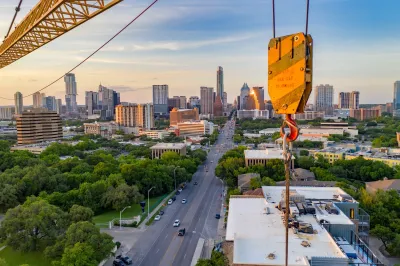
Despite having the fastest affordable housing construction pipeline in the nation, Austin still faces a shortage of housing for the lowest-income households. The city built 4,605 affordable housing units in 2024 and is on track to deliver 3.452 more this year.
But according to a Fast Company article by Patrick Sisson, the city still needs tens of thousands of units to accommodate its rapidly growing population, particularly in the “deeply affordable” sector. “Defined as housing that can support those making around 30% of the median income; in 2023, just 63 such units were built, even though this group makes up 17% of the city’s population.” This is due in part to shifts in the city’s housing market, where the median home price rose by 58 percent since the mid 2010s, putting even rents deemed ‘affordable’ out of reach for many residents.
While Austin’s combination of private investment, public funding, and regulatory reform that made it easier to build have made it a leader in housing construction, new challenges such as rising interest rates and tariffs on materials could significantly slow the pace of construction.
FULL STORY: Austin is leading the affordable housing boom. It's still not enough

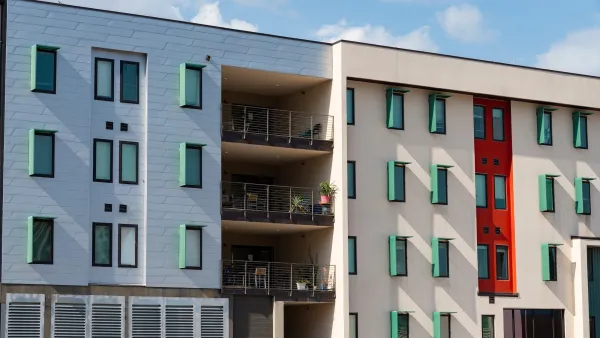
Austin's building boom fails to reach the poorest residents
Although the city has built thousands of new homes, few of them are available to the lowest-earning households.
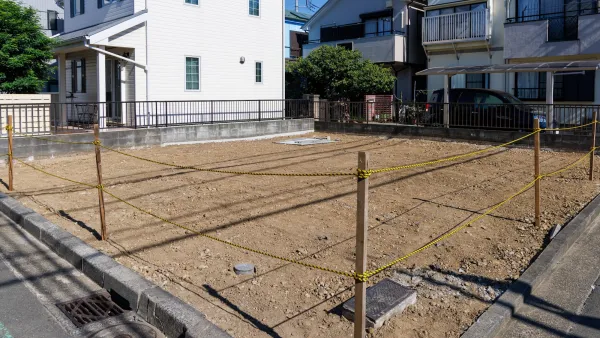
400 Maine Affordable Homes Unable to Break Ground due to Buy America Rules
Projects that receive certain federal funds are required to source 95% of their materials from the United States.
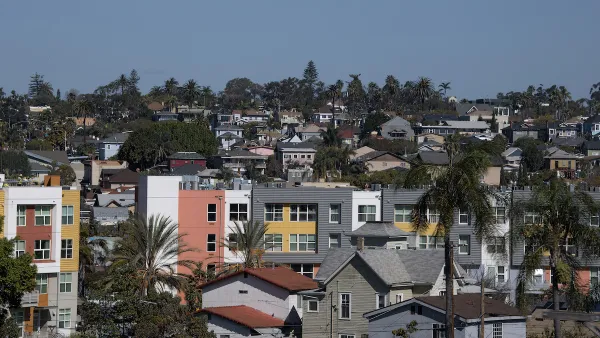
Which San Diego County Cities Are Building New Housing?
Chula Vista permitted the most new housing units per capita, while El Cajon is adding the least.

Planetizen Federal Action Tracker
A weekly monitor of how Trump’s orders and actions are impacting planners and planning in America.

The state-sanctioned urbicide of Austin
People don’t kill cities. Freeways do.

US to reduce Colorado River water deliveries to Mexico
A new Colorado Treaty amendment reduces Mexico’s Colorado River water allocation by 250,000 acre feet.

5 New England states march closer to 800 megawatt wind energy project
Securing federal approval for the project may be complicated under the Trump administration, which has historically been hostile towards domestic wind power.

Baltimore to break ground on $50 million Transit Priority Project
The project will bring faster bus trips, safer streets and better bike connections to Baltimore.

Airbnb launches $250 million 'last-dollar financing' housing accelerator, makes first investment in Austin
The company will put $6.4 million towards affordable housing development in Texas’ capital.

FREE Course: Walkable City 1: Why Walkability?
After describing his path towards focusing on walkability as the essence of good planning, Jeff Speck marches through his five principal reasons for making more walkable places.
Reinventing Malls: Planning Alchemy—Turning Gray Fields Into Gold
The course focuses on the opportunities and imperatives that shape reinvention of mall sites.

Eagle County Government
Harvard University Graduate School of Design
Nashville Planning Department
The Architects Foundation
University of Cincinnati Online
The Pocatello Development Authority
The Urban Renewal Agency of the City of Pocatello
Journal of the American Planning Association