The city installed reflective posts and speed bumps at dangerous intersections to induce drivers to take left turns more slowly and carefully.


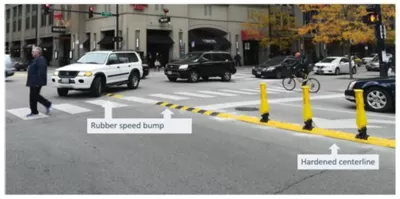
A traffic calming element installed at 18 Chicago intersections is successfully slowing left turns, reducing the risk of collisions with pedestrians, reports Monica Eng in Axios. The project is part of the city’s efforts to reach its Vision Zero goals and eliminate pedestrian deaths.
According to Eng, “Left turns were involved in 40% of crashes that led to serious injury or death from 2017 to 2021, according to city data.” David Smith, the city’s Complete Streets director, says data from a pilot program shows a 25 percent reduction in crashes at intersections where the change was made.
Some residents expressed frustration with the new infrastructure, inadvertently proving the device’s efficacy: “All they have done is further slow traffic,” one NextDoor commenter complained. Which is, after all, the point. “If you hit a speed bump or the rubber posts, you've driven in the wrong place.”
Read the full story: Navigating new traffic turns

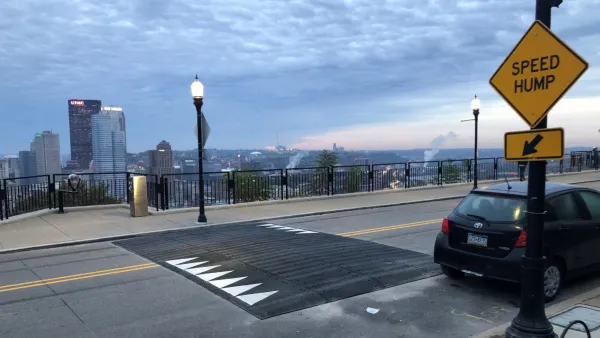
Pittsburgh Excels at Low-Cost, Quick-Build Traffic Calming
The city’s traffic calming initiative has led to a 6 percent average reduction in speeds on corridors with recent interventions.
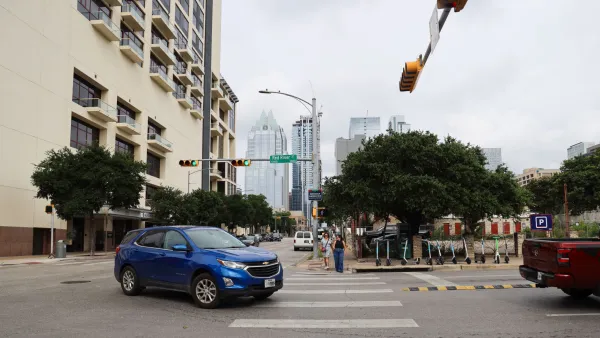
Austin ‘Turn Calming’ Cut Pedestrian-Involved Left Turn Crashes by Nearly Half
A pilot program at 16 intersections led to a dramatic reduction in injury crashes and is saving residents roughly $3 million in emergency response and medical expenses.
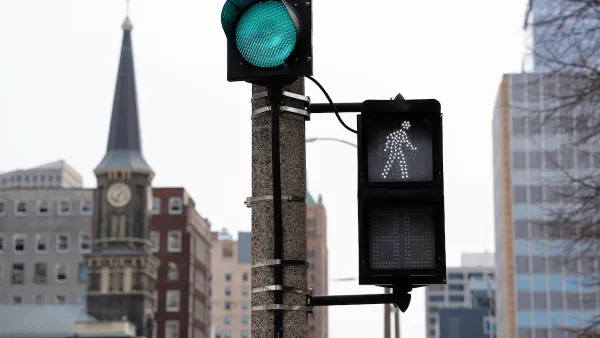
Milwaukee Announces 60 Traffic Calming Projects for 2025
The city has successfully reduced traffic deaths and aims to eliminate them completely within the next decade.

Planetizen Federal Action Tracker
A weekly monitor of how Trump’s orders and actions are impacting planners and planning in America.

California plans to bury El Niño’s downpour
If the state plays its cards right, it may be able to store a billion acre-feet of El Niño’s water in aquifers.

Desperate measures: Advocates weigh draining Lake Powell to fill Colorado River
Draining the reservoir could reduce evaporation losses by a couple hundred thousand acre-feet.

How a Chicago-sized wind farm beat the odds and powered on
The project spanned five presidential administrations and a standoff with a U.S. military base.

MTA gives itself 30 days to transform pit into basketball court
The site has been under construction since 2022; the city originally estimated it would finish the court in 2024.

Non-stop party: Chicago voters weigh permanent festival grounds
A stable place for bleachers, stages and drainage may streamline the setup and teardown of large events.

FREE Course: Walkable City 1: Why Walkability?
After describing his path towards focusing on walkability as the essence of good planning, Jeff Speck marches through his five principal reasons for making more walkable places.
Reinventing Malls: Planning Alchemy—Turning Gray Fields Into Gold
The course focuses on the opportunities and imperatives that shape reinvention of mall sites.

City of Rosemead
Rutgers University, Edward J. Bloustein School of Planning and Public Policy
One Hundred Miles
Hunter College, City University of New York (CUNY)
The Architects Foundation
University of Cincinnati Online
City of Cambridge
Montrose County
The Pocatello Development Authority