Community organizations are taking action to transform the city and pave the way for permanent infrastructure improvements.


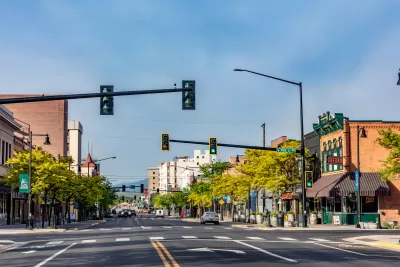
"There are a lot of factors that lend themselves to individual happiness, but it seems that transportation is often the key," writes Allie Kane, Transportation Demand Management Specialist with Missoula in Motion. "We’re constantly on the move so how we get places matters. Designing cities and providing enough options so that it’s quick, easy, and safe to get somewhere without a car is critically important."
"A robust sustainable transportation system has a multitude of benefits that increase our happiness – lower levels of stress, more opportunities to connect with your community, improved health, improved mood, more time to spend on hobbies, and significantly lowered risk of injury and reduced fatalities from car crashes to name a few." To promote these benefits, "Missoula in Motion’s Sunday Streets program embraces this notion each year, closing off 1 mile of roadway to cars and opening it up for people of all ages and abilities to recreate, engage in activities with local organizations, and experience their streets in a whole new way."
The article extols the benefits of a walkable, green, and people-centered built environment and gives examples of tactical urbanism projects that have spurred the potential for permanent changes to Missoula's public infrastructure, such as the Neighborhood Greenway installed on Kemp Street. "Missoulians are starting to embrace tactical urbanism in a variety of temporary projects meant to catalyze long-term change throughout the city. It’s been so effective at creating safer and more climate-friendly streets that these two organizations are putting together a toolkit to help community members navigate this process in their own neighborhoods."
Missoula in Motion plans to release the toolkit this summer.
Read the full story: Sustainable Missoula: Tactical urbanism in Missoula puts people at heart of urban design

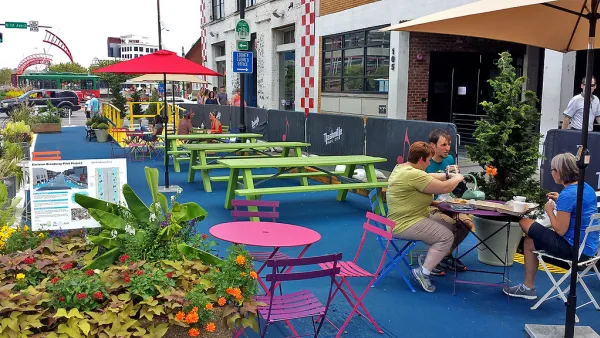
Op-Ed: Don't Reverse the Progress Made by 'Pandemic Streets'
In many cities, the public realm saw a drastic shift towards pedestrian-oriented infrastructure. The L.A. Times editorial board argues we should keep it that way.
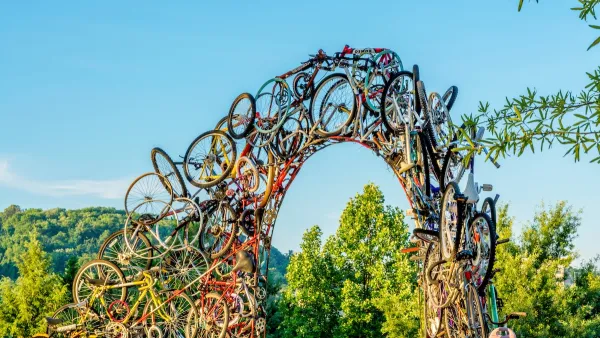
Knoxville Dedicates $1M to New Greenway
The proposed greenway would run along North Broadway and connect to 125 miles of existing trails.

Indianapolis Advances Plans to Expand and Connect Citywide Greenway Network
Indianapolis is developing a new Greenways Strategic Implementation Plan to expand, connect, and modernize its trail system, aiming for over 250 miles of greenways that support sustainability, mobility, and community well-being.

Planetizen Federal Action Tracker
A weekly monitor of how Trump’s orders and actions are impacting planners and planning in America.

California plans to bury El Niño’s downpour
If the state plays its cards right, it may be able to store a billion acre-feet of El Niño’s water in aquifers.

Desperate measures: Advocates weigh draining Lake Powell to fill Colorado River
Draining the reservoir could reduce evaporation losses by a couple hundred thousand acre-feet.

How a Chicago-sized wind farm beat the odds and powered on
The project spanned five presidential administrations and a standoff with a U.S. military base.

MTA gives itself 30 days to transform pit into basketball court
The site has been under construction since 2022; the city originally estimated it would finish the court in 2024.

Non-stop party: Chicago voters weigh permanent festival grounds
A stable place for bleachers, stages and drainage may streamline the setup and teardown of large events.

FREE Course: Walkable City 1: Why Walkability?
After describing his path towards focusing on walkability as the essence of good planning, Jeff Speck marches through his five principal reasons for making more walkable places.
Reinventing Malls: Planning Alchemy—Turning Gray Fields Into Gold
The course focuses on the opportunities and imperatives that shape reinvention of mall sites.

City of Rosemead
Rutgers University, Edward J. Bloustein School of Planning and Public Policy
One Hundred Miles
Hunter College, City University of New York (CUNY)
The Architects Foundation
University of Cincinnati Online
City of Cambridge
Montrose County
The Pocatello Development Authority