The focus on electrifying personal vehicles misses the opportunity to transform urban transportation systems, reduce congestion, and make cities more affordable.


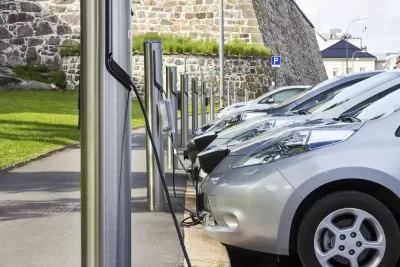
"Introducing electric vehicles (EVs) on a massive scale has often been framed as the solution to reducing passenger transport emissions," writes Vera O'Riordan, but electrification alone won't be enough to meet emissions reduction goals and keep global warming at less than 2 degrees, according to new research.
In addition, a population that continues to depend on cars poses significant problems for growing cities. With urbanization on the rise and space at a premium, we must reduce car ownership in cities if we are to keep them as affordable and accessible as possible. Huge amounts of land that could otherwise be used to house people or be dedicated to nature are still reserved for roads and car parks.
O'Riordan describes the UN Intergovernmental Panel for Climate Change's recommended transportation planning approach, known as "Avoid, Shift, Improve." The framework advocates for policies that allow people to reduce their need to travel very far for their daily needs and outlines solutions for shifting necessary travel to more sustainable modes and improving energy sources for transportation.
Transportation advocates have similarly criticized policymakers' focus on electric vehicles, denouncing this car-centric approach as a perpetuation of our current, flawed systems of transportation and urging support for more efficient, multi-modal transit networks and safe infrastructure.
FULL STORY: Electric vehicles aren’t a fix for carbon emissions. These 3 things need to change—fast

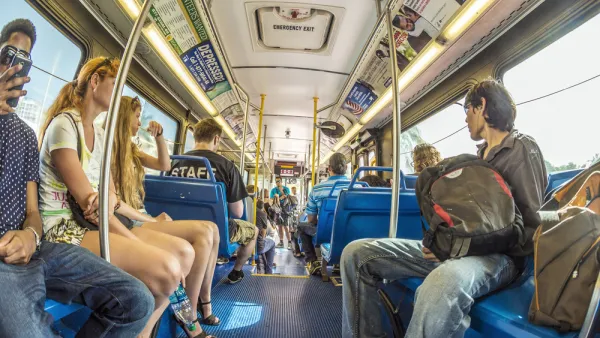
To Fight Climate Change, Support Public Transit
Electric cars may garner a lot of attention these days, but significantly reducing carbon emissions and urban congestion means investing in high-quality mass transit.
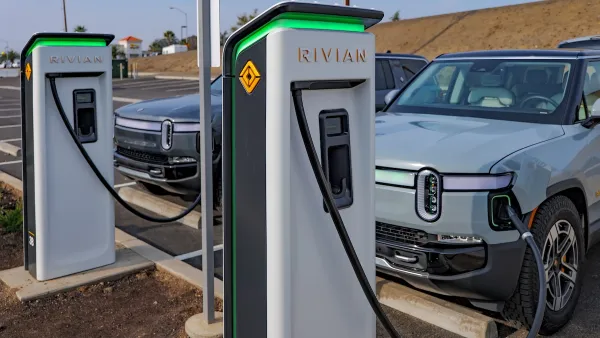
US Senate Reverses California EV Mandate
The state planned to phase out the sale of gas-powered cars by 2035, a goal some carmakers deemed impossible to meet.
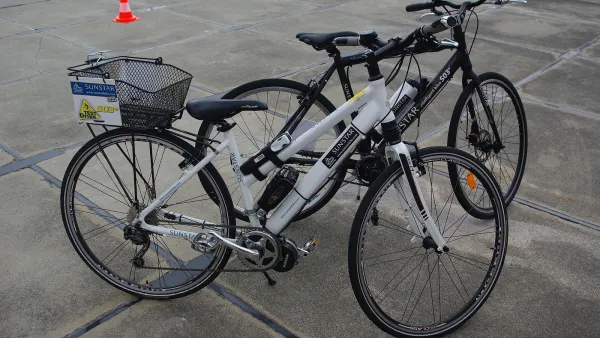
Why Are U.S. Policymakers Ignoring Electric Bikes?
The singular focus on EVs is making U.S. cities miss out on the opportunity to promote e-bikes as a more efficient and sustainable transportation mode.

Planetizen Federal Action Tracker
A weekly monitor of how Trump’s orders and actions are impacting planners and planning in America.

The state-sanctioned urbicide of Austin
People don’t kill cities. Freeways do.

US to reduce Colorado River water deliveries to Mexico
A new Colorado Treaty amendment reduces Mexico’s Colorado River water allocation by 250,000 acre feet.

5 New England states march closer to 800 megawatt wind energy project
Securing federal approval for the project may be complicated under the Trump administration, which has historically been hostile towards domestic wind power.

Baltimore to break ground on $50 million Transit Priority Project
The project will bring faster bus trips, safer streets and better bike connections to Baltimore.

Airbnb launches $250 million 'last-dollar financing' housing accelerator, makes first investment in Austin
The company will put $6.4 million towards affordable housing development in Texas’ capital.

FREE Course: Walkable City 1: Why Walkability?
After describing his path towards focusing on walkability as the essence of good planning, Jeff Speck marches through his five principal reasons for making more walkable places.
Reinventing Malls: Planning Alchemy—Turning Gray Fields Into Gold
The course focuses on the opportunities and imperatives that shape reinvention of mall sites.

Eagle County Government
Harvard University Graduate School of Design
Nashville Planning Department
The Architects Foundation
University of Cincinnati Online
The Pocatello Development Authority
The Urban Renewal Agency of the City of Pocatello
Journal of the American Planning Association