Electric cars may garner a lot of attention these days, but significantly reducing carbon emissions and urban congestion means investing in high-quality mass transit.


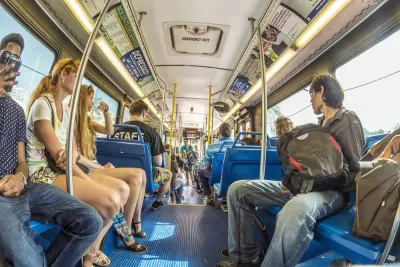
Andrew J. Hawkins argues in favor of boosting public transit as a crucial way to fight climate change, warning against the potential "death spiral" caused by declining ridership which reduces revenue, leading to worse service which discourages riders even further. As Hawkins writes,
There’s more at stake than good buses and trains. The recent report from the United Nations Intergovernmental Panel on Climate Change confirms that a hotter, wetter, more inhospitable future is all but certain. The transportation sector is responsible for nearly a third of greenhouse gases, most of which come from tailpipe emissions. High-quality mass transit can do a lot to fight climate change, but only if people are willing to use it.
Since the start of the pandemic, transit agencies have struggled against a raft of challenges as some riders abandon their systems while essential workers and other transit-dependent commuters rely on public transportation more than ever. Agencies around the country are implementing major service changes and reducing or eliminating fares in an effort to get riders back on board and expand the reach of their systems, with mixed results. These initiatives will create more benefits than just improved transit service for those who use it, transit supporters argue. As Hawkins concludes, "high-quality transit is the only real solution to our vast, seemingly intractable problems with climate change, inequality, land use, and housing."
FULL STORY: PUBLIC TRANSPORTATION CAN SAVE THE WORLD — IF WE LET IT

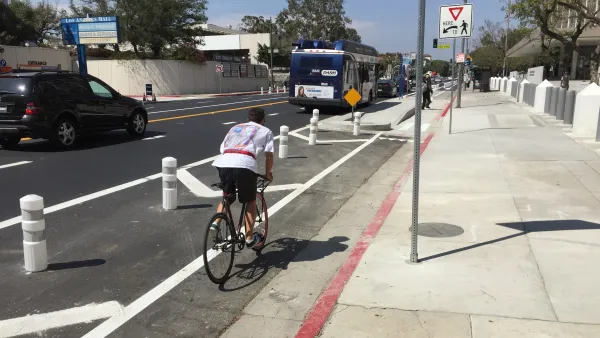
Opinion: Los Angeles Must Prioritize Bikes and Buses
L.A. has a plan for improving mobility. Why are city leaders ignoring it?
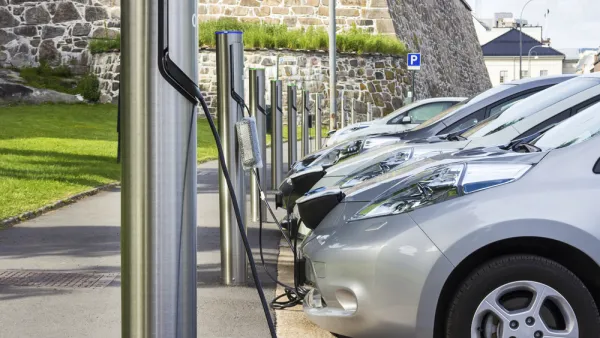
Study: EV Adoption Isn't Enough. Car-Centric Culture Needs To Change.
The focus on electrifying personal vehicles misses the opportunity to transform urban transportation systems, reduce congestion, and make cities more affordable.
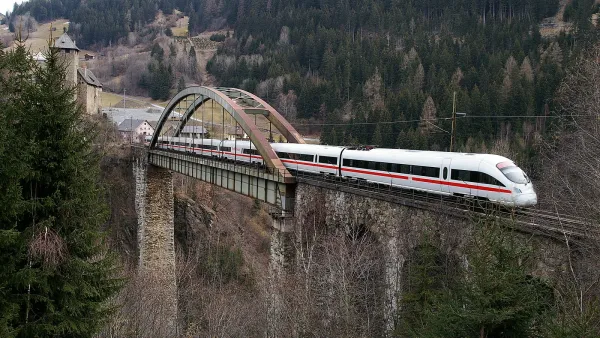
'Klimaticket' Provides Seamless Travel Across Austria For $3.50 Per Day
A newly launched annual train pass is geared toward reducing private car trips and simplifying travel across all of Austria's public transport systems.

The state-sanctioned urbicide of Austin
People don’t kill cities. Freeways do.

US to reduce Colorado River water deliveries to Mexico
A new Colorado Treaty amendment reduces Mexico’s Colorado River water allocation by 250,000 acre feet.

New Jersey’s second-largest city bans standalone data centers
Jersey City will continue to allow co-location facilities, such as those meant for research institutions that store their own data.

Amtrak not solely to blame for New Jersey commuter rail's unreliability, report finds
A new study from the Garden State Initiative found that NJ Transit’s budget grew 20% across a 4 year period, but reliability declined significantly over the same period.

EPA erases limits on planet-warming pollution from power plants
Under Monday’s plan, power plants would still have some limits on how much mercury, arsenic and other contaminants they can emit.

Phoenix announces new on-demand transit service, more frequent RAPID buses
Both new services will launch in October, and are part of Phoenix's Project Effective Access Solutions for Easing Congestion.

FREE Course: Walkable City 1: Why Walkability?
After describing his path towards focusing on walkability as the essence of good planning, Jeff Speck marches through his five principal reasons for making more walkable places.
Reinventing Malls: Planning Alchemy—Turning Gray Fields Into Gold
The course focuses on the opportunities and imperatives that shape reinvention of mall sites.

Eagle County Government
Harvard University Graduate School of Design
Nashville Planning Department
The Architects Foundation
University of Cincinnati Online
The Pocatello Development Authority
The Urban Renewal Agency of the City of Pocatello
Journal of the American Planning Association