Cities around the country are eliminating parking minimums in an effort to reduce the costs of housing construction and encourage car-free living.



With both Minneapolis and St. Paul abolishing minimum parking requirements, writes Kea Wilson, "the Twin Cities region is now the largest metro in the U.S. to introduce the progressive reform. The smaller communities of Buffalo and Hartford both made the move in 2017, and hundreds of other smaller municipalities have eliminated minimums in designated districts."
Minimum parking requirements, which are often blamed for raising the cost of housing construction, were also identified by Minneapolis "as a barrier to achieving its goal of reducing greenhouse gas emissions 80 percent by 2040." More recently, "the city of St. Paul said it would 'fully eliminate off-street parking minimums for real estate developments … modernizing [their] zoning codes and aligning them with best practices for land use while reducing administrative burdens for small businesses and developers.'"
Wilson highlights four key takeaways that can help advocates in other cities achieve similar success.
- "Make parking policy personal" by reaching out to local stakeholders and policymakers.
- Organize tirelessly.
- Show positive examples from other cities.
- Take the plunge.
Because eliminating parking minimums still gives developers the option to build as much parking as they want, "the reform should be a low bar to clear." According to St. Paul Council Member and car-free commuter Mitra Jalali, "[c]ities should just do this. Just do it! It really can be that simple."
Read the full story: How the Twin Cities Abolished Parking Minimums (And How Your City Can, Too)

Twin Cities Parking Reform Shows Promising Results
Minneapolis and St. Paul both eliminated parking minimums, paving the way for less parking and more housing.

Chicago Eliminates Parking Minimums Near Transit
Changes to a city ordinance make it easier to build ‘by-right’ car-free developments near train stations and pave the way for more affordable housing.
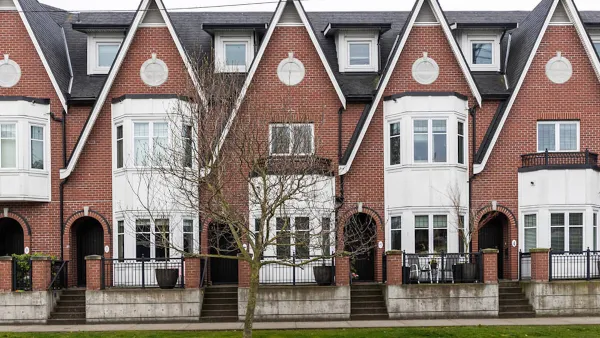
More Affordable Housing for People, Less for Cars
Most jurisdictions have off-street parking requirements that increase motorists’ convenience but reduce housing affordability. It’s time to reform these policies for the sake of efficiency and fairness.

Planetizen Federal Action Tracker
A weekly monitor of how Trump’s orders and actions are impacting planners and planning in America.

California plans to bury El Niño’s downpour
If the state plays its cards right, it may be able to store a billion acre-feet of El Niño’s water in aquifers.

Desperate measures: Advocates weigh draining Lake Powell to fill Colorado River
Draining the reservoir could reduce evaporation losses by a couple hundred thousand acre-feet.

Chicago voters approve permanent festival grounds, penalty for vacant property owners
Currently, major summer and fall festivals take over public parks for weeks at a time, drawing criticism from nearby residents

NYC votes to cut outdoor dining red tape, speed up permitting
New York City also voted to allow the Department of Transportation to begin work on urgent projects before notifying elected officials.

California appears to reject Prop. 45
The proposition would have expanded the projects that qualify for a streamlined environmental review, effectively paring down the California Environmental Quality Act.

FREE Course: Walkable City 1: Why Walkability?
After describing his path towards focusing on walkability as the essence of good planning, Jeff Speck marches through his five principal reasons for making more walkable places.
Reinventing Malls: Planning Alchemy—Turning Gray Fields Into Gold
The course focuses on the opportunities and imperatives that shape reinvention of mall sites.


City of Rosemead
Rutgers University, Edward J. Bloustein School of Planning and Public Policy
One Hundred Miles
Hunter College, City University of New York (CUNY)
The Architects Foundation
University of Cincinnati Online
City of Cambridge
Montrose County
The Pocatello Development Authority