Residents in some of the city's single-family neighborhoods worry about the potential impacts of ADU construction on local character and parking.


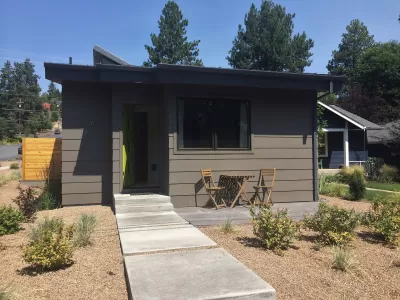
Some San Diego residents are pushing back on the city's recent loosening of regulations on backyard "granny flats," citing concerns that the increased density could "destroy neighborhood character."
"Hundreds of residents in Kensington, Talmadge, Rolando and El Cerrito are demanding an immediate moratorium on a city policy approved in October that they say could badly damage residential neighborhoods across the city," reports David Garrick for the San Diego Union Tribune. The group, which calls itself Neighbors for a Better San Diego, "say the new policy goes too far and will have the unintended consequence of allowing some people to build several granny flats in their back yard." The group claims the changes were approved "with limited public debate" and minimal efforts to collect stakeholder opinions. They worry that the new rules will "make residential zoning mostly meaningless, exacerbate parking scarcity in many neighborhoods and lengthen the time it takes to get to freeways in others."
City officials say "the bonus granny flat rule is essentially the city implementing state law, which requires cities to create incentives for granny flat construction." Last year, California passed new regulations easing restrictions on ADU construction in an effort to mitigate the state's housing affordability crisis. San Diego has also eliminated parking requirements for ADUs and "allows property owners to construct extra granny flats if they agree to rent restrictions on at least one of their granny flats."
FULL STORY: San Diego’s granny flat campaign faces first major backlash

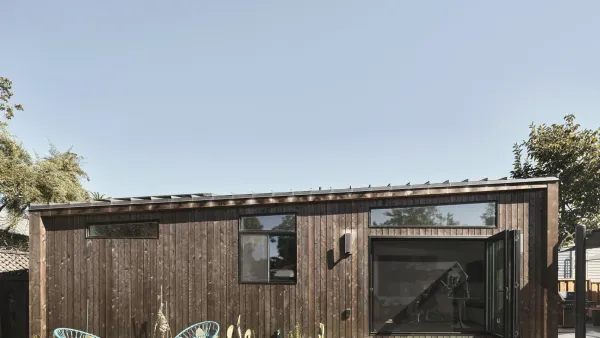
Los Angeles Streamlines ADU Permits with High-Design Templates
Los Angeles' ADU Standard Plan Program will offer homeowners a set of pre-approved designs that will save them time and money.

Maine Forces Cities to Allow at Least 2 ADUs on Residential Lots
A new state law bars local jurisdictions from restricting ADUs in residential areas.
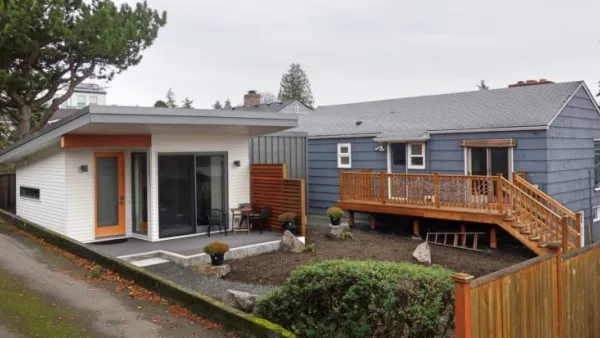
ADUs for Sale? San Diego Could Legalize Backyard Condos
As one of 25 proposed amendments, San Diego may soon allow accessory dwelling units to be bought and sold as individual homes.

Planetizen Federal Action Tracker
A weekly monitor of how Trump’s orders and actions are impacting planners and planning in America.

The state-sanctioned urbicide of Austin
People don’t kill cities. Freeways do.

US to reduce Colorado River water deliveries to Mexico
A new Colorado Treaty amendment reduces Mexico’s Colorado River water allocation by 250,000 acre feet.

Mamdani overhauls NYC's Vision Zero plan with 100 new policy goals
The overhaul aims to reduce traffic deaths and make streets safer for pedestrians, cyclists and drivers through lower speed limits, new safety infrastructure and more.

Amtrak not solely to blame for New Jersey commuter rail's unreliability, report finds
A new study from the Garden State Initiative found that NJ Transit’s budget grew 20% across a 4 year period, but reliability declined significantly over the same period.

EPA erases limits on planet-warming pollution from power plants
Under Monday’s plan, power plants would still have some limits on how much mercury, arsenic and other contaminants they can emit.

FREE Course: Walkable City 1: Why Walkability?
After describing his path towards focusing on walkability as the essence of good planning, Jeff Speck marches through his five principal reasons for making more walkable places.
Reinventing Malls: Planning Alchemy—Turning Gray Fields Into Gold
The course focuses on the opportunities and imperatives that shape reinvention of mall sites.


Eagle County Government
Harvard University Graduate School of Design
Nashville Planning Department
The Architects Foundation
University of Cincinnati Online
The Pocatello Development Authority
The Urban Renewal Agency of the City of Pocatello
Journal of the American Planning Association