With ridership at record lows and agencies struggling to stay afloat, public transit around the world will need robust investment to recover after the pandemic.


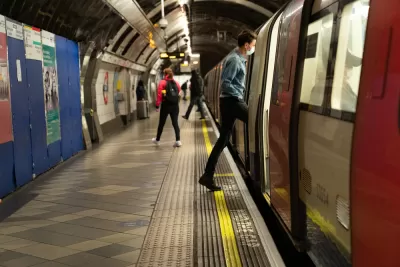
After a year of coronavirus lockdowns and a massive shift to remote work, public transit systems around the world are seeing plummeting ridership and revenue, leading to cuts and layoffs. The London Underground, one of the world's busiest systems, has been operating at around 20 percent of its usual capacity.
Somini Sengupta, Geneva Abdul, Manuela Andreoni, and Veronica Penney argue in the New York Times that declining transit ridership spells disaster for our collective efforts to address climate change. "Public transit offers a relatively simple way for cities to lower their greenhouse gas emissions, not to mention a way to improve air quality, noise and congestion." Now, "transportation experts are scrambling to figure out how to better adapt public transit to the needs of riders as cities begin to emerge from the pandemic" and counter the trend of private vehicle purchases.
Transit agencies face a monumental challenge. "If commuters shun public transit for cars as their cities recover from the pandemic, that has huge implications for air pollution and greenhouse gas emissions. Most importantly, if transit systems continue to lose passenger fare revenues, they will not be able to make the investments necessary to be efficient, safe and attractive to commuters."
The challenge for cities, write the authors, is to maintain and improve public transit systems now so that riders will eventually return. "People will feel more comfortable traveling in a new modern public transit system," said Mohamed Mezghani, head of the International Association of Public Transport. "It’s about perception in the end."
FULL STORY: Riders Are Abandoning Buses and Trains. That’s a Problem for Climate Change.

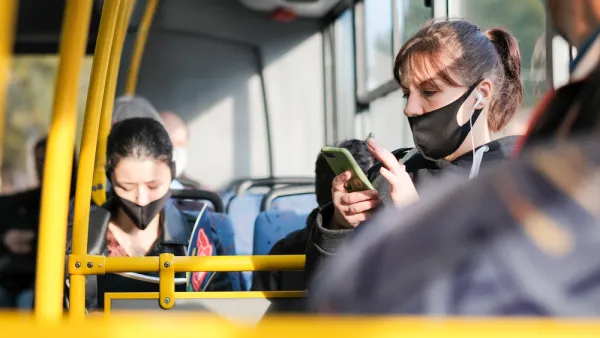
Lessons for Transit Ridership From Past Pandemics
While COVID-19 is a unique moment in American history, experiences from past pandemics shed light on how the pandemic might shape public transit ridership.
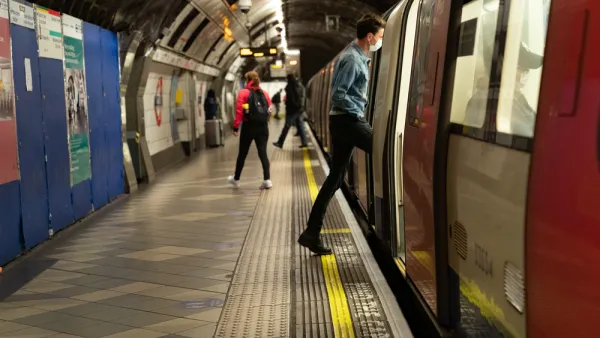
What Is the Future for Transit After COVID? - A Debate
Critic Randal O'Toole and advocate Todd Litman debate how communities should plan for public transit in the post pandemic future. Should it contract or expand?
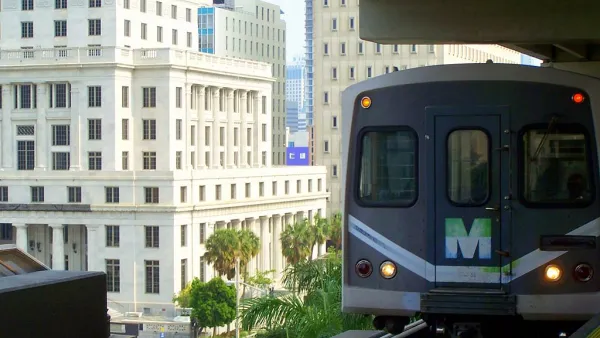
How $30 Billion in Stimulus Funding Would Change the Equation for Transit Agencies
The funding in the draft stimulus funding package making its way through Congress falls short of the total requested by the American Public Transportation Association, but would go a long way to helping transit agencies weather the pandemic.

The state-sanctioned urbicide of Austin
People don’t kill cities. Freeways do.

US to reduce Colorado River water deliveries to Mexico
A new Colorado Treaty amendment reduces Mexico’s Colorado River water allocation by 250,000 acre feet.

New Jersey’s second-largest city bans standalone data centers
Jersey City will continue to allow co-location facilities, such as those meant for research institutions that store their own data.

Amtrak not solely to blame for New Jersey commuter rail's unreliability, report finds
A new study from the Garden State Initiative found that NJ Transit’s budget grew 20% across a 4 year period, but reliability declined significantly over the same period.

EPA erases limits on planet-warming pollution from power plants
Under Monday’s plan, power plants would still have some limits on how much mercury, arsenic and other contaminants they can emit.

Phoenix announces new on-demand transit service, more frequent RAPID buses
Both new services will launch in October, and are part of Phoenix's Project Effective Access Solutions for Easing Congestion.

FREE Course: Walkable City 1: Why Walkability?
After describing his path towards focusing on walkability as the essence of good planning, Jeff Speck marches through his five principal reasons for making more walkable places.
Reinventing Malls: Planning Alchemy—Turning Gray Fields Into Gold
The course focuses on the opportunities and imperatives that shape reinvention of mall sites.

Eagle County Government
Harvard University Graduate School of Design
Nashville Planning Department
The Architects Foundation
University of Cincinnati Online
The Pocatello Development Authority
The Urban Renewal Agency of the City of Pocatello
Journal of the American Planning Association