The Los Angeles County Metropolitan Transportation Authority will let low-income residents and K-12 students ride for free starting in January 2022.


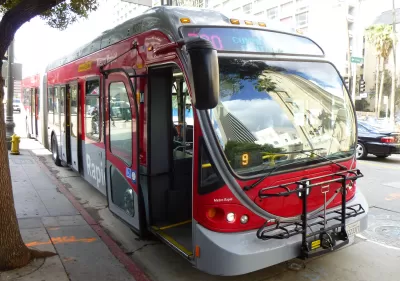
In an attempt to study the potential for switching to a fare-free system, the Los Angeles County Metropolitan Transportation Authority (Metro) is implementing a two-phase pilot program that will let low-income riders ride for free. Ryan Fonseca reports on the plan, which is projected to save commuters up to $1,200 per year. According to Metro, "about 70% of its current riders earn less than $35,000 annually and would qualify for free fares under the current proposal." The second phase of the proposed program, set to launch in August 2022, would extend free fares to K-12 students. Los Angeles Mayor Eric Garcetti praised the proposal, saying "it's time for us to treat public transit as a public good."
Transit activists, meanwhile, argue that public transit was meant to be a public good all along, and that the proposed program doesn't go far enough to reduce the burden of transit costs for low-income Angelenos. Additionally, segmenting riders and requiring documentation to qualify for the program will likely exclude many qualifying residents. City Councilmember Mike Bonin expressed his concerns about the administrative costs: "I think we need to think about and be very realistic about whether or not the administrative burden of trying to separate 30% of the people [making] above $35K is so burdensome, that it isn't even worth it." Although the program will lead to revenue loss for the agency, fare revenue only makes up 4% of Metro's annual budget.
FULL STORY: Most LA Metro Riders Could Ride For Free Starting Next Year Under New Pilot Plan

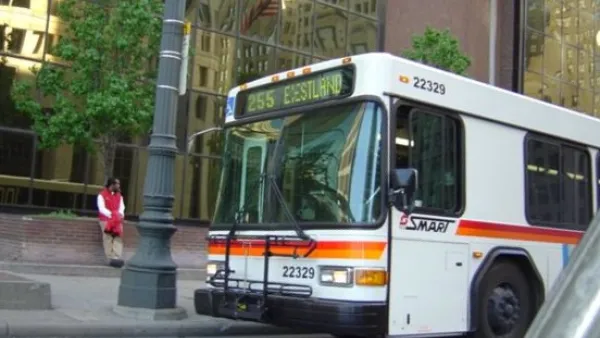
Is Fare-Free Transit Worth Reduced Transit Service?
Transit advocates worry that the movement to eliminate fares will come at a high cost to transit-dependent riders who rely on frequent, reliable service to reach jobs and services.
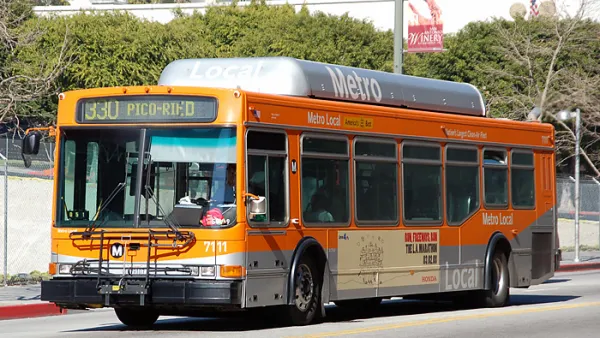
Opinion: Transit Needs to Be Better, Not Cheaper
With many U.S. transit agencies facing severe gaps in service and budget shortfalls, some advocates argue that improved service matters more than free fares.

Can L.A. Metro Fund its Fareless Transit Pilot?
The Los Angeles County Metropolitan Transportation Authority Board of Directors has approved a program that would eliminate fares for students and low-income riders, but the program's future rests on finding sustainable funding sources.

Planetizen Federal Action Tracker
A weekly monitor of how Trump’s orders and actions are impacting planners and planning in America.

The state-sanctioned urbicide of Austin
People don’t kill cities. Freeways do.

US to reduce Colorado River water deliveries to Mexico
A new Colorado Treaty amendment reduces Mexico’s Colorado River water allocation by 250,000 acre feet.

Mamdani overhauls NYC's Vision Zero plan with 100 new policy goals
The overhaul aims to reduce traffic deaths and make streets safer for pedestrians, cyclists and drivers through lower speed limits, new safety infrastructure and more.

Amtrak not solely to blame for New Jersey commuter rail's unreliability, report finds
A new study from the Garden State Initiative found that NJ Transit’s budget grew 20% across a 4 year period, but reliability declined significantly over the same period.

EPA erases limits on planet-warming pollution from power plants
Under Monday’s plan, power plants would still have some limits on how much mercury, arsenic and other contaminants they can emit.

FREE Course: Walkable City 1: Why Walkability?
After describing his path towards focusing on walkability as the essence of good planning, Jeff Speck marches through his five principal reasons for making more walkable places.
Reinventing Malls: Planning Alchemy—Turning Gray Fields Into Gold
The course focuses on the opportunities and imperatives that shape reinvention of mall sites.

Eagle County Government
Harvard University Graduate School of Design
Nashville Planning Department
The Architects Foundation
University of Cincinnati Online
The Pocatello Development Authority
The Urban Renewal Agency of the City of Pocatello
Journal of the American Planning Association