A few last minute changes were included in the version of the COVID-19 Emergency Relief Act of 2020, approved by Congress last night.


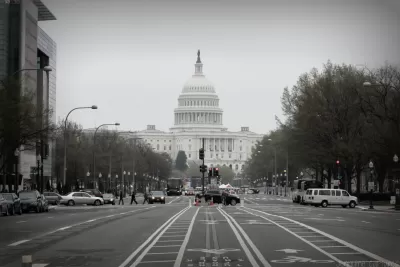
A Twitter thread by APA Advocates calls attention to the inclusions in the COVID-19 Emergency Relief Act of 2020, approved by Congress on Monday of this week.
The Twitter thread includes a breakdown of spending included in the $900 billion stimulus package, including $14 billion for public transit agencies (down from the $15 billion that was considered in negotiations), $10 billion for state departments of transportation, and $1 billion for Amtrak.
In terms of the real estate market and the looming eviction and mortgage crisis facing many Americans, the bill includes $25 billion in emergency assistance to renters and extends the federal eviction moratorium until January 31.
The Twitter thread lists a few other of the funding allotments included in the bill, while also noting what's missing, namely, direct relief for local and state governments.
One key inclusion of note that might seem like a wildcard: the bill included the Water Resources Development Act, which "expands #resiliency, green infrastructure & #EnvironmentalJustice provisions; a modified energy bill that expands clean energy; and a climate measure," according to APA Advocates.
More discussion of the relief bill can be found at the #coronabus hashtag on Twitter, and Planetizen will continue to provide updates of the most informative analysis and commentary on the bill.
FULL STORY: The bipartisan #COVID19 relief deal Congress passed last night...

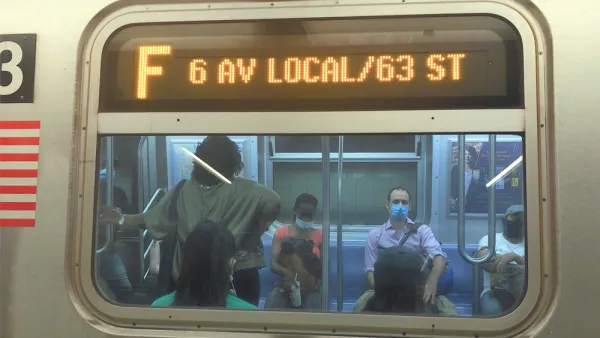
What's in the New Economic Stimulus Package for U.S. Transit Agencies
A new economic stimulus package that appears headed for approval as of this writing will give $15 billion to public transit, far less than transit advocates had hoped, but far better than nothing.

Haves and Have Nots: Planning and the Deep Divides of the Pandemic
The latest in a series of compendia gathering news and analysis about the effects of the COVID-19 on the built and natural environments—now and long into the future.
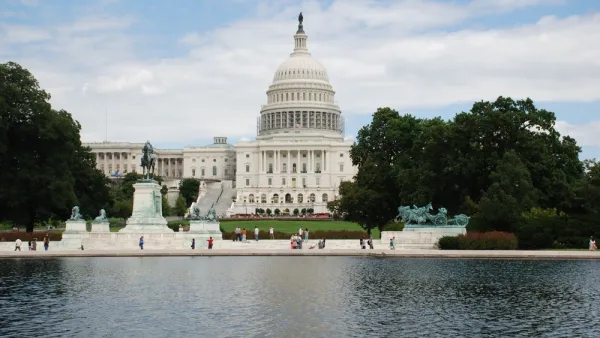
Proposed $1.9 Trillion Stimulus Includes $30 Billion Each for Transit and Rent Relief
Democrats in Congress are moving forward with a massive COVID stimulus package—with or without Republicans.

Planetizen Federal Action Tracker
A weekly monitor of how Trump’s orders and actions are impacting planners and planning in America.

The state-sanctioned urbicide of Austin
People don’t kill cities. Freeways do.

US to reduce Colorado River water deliveries to Mexico
A new Colorado Treaty amendment reduces Mexico’s Colorado River water allocation by 250,000 acre feet.

Mamdani overhauls NYC's Vision Zero plan with 100 new policy goals
The overhaul aims to reduce traffic deaths and make streets safer for pedestrians, cyclists and drivers through lower speed limits, new safety infrastructure and more.

Amtrak not solely to blame for New Jersey commuter rail's unreliability, report finds
A new study from the Garden State Initiative found that NJ Transit’s budget grew 20% across a 4 year period, but reliability declined significantly over the same period.

EPA erases limits on planet-warming pollution from power plants
Under Monday’s plan, power plants would still have some limits on how much mercury, arsenic and other contaminants they can emit.

FREE Course: Walkable City 1: Why Walkability?
After describing his path towards focusing on walkability as the essence of good planning, Jeff Speck marches through his five principal reasons for making more walkable places.
Reinventing Malls: Planning Alchemy—Turning Gray Fields Into Gold
The course focuses on the opportunities and imperatives that shape reinvention of mall sites.

Eagle County Government
Harvard University Graduate School of Design
Nashville Planning Department
The Architects Foundation
University of Cincinnati Online
The Pocatello Development Authority
The Urban Renewal Agency of the City of Pocatello
Journal of the American Planning Association