The West Seattle High-Rise Bridge Safety Project is in high gear, more than six months after the city's most heavily trafficked bridge was closed suddenly for safety risks.


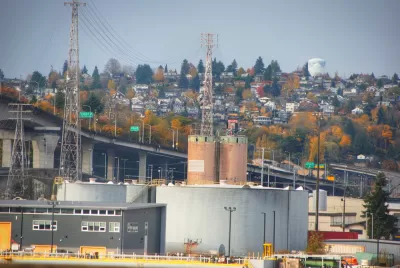
Seattle Mayor Jenny Durkan has announced a position on one of the big questions hanging over Seattle: What to do about the West Seattle Bridge more than six months after being closed when quickly growing cracks were discovered in the bridge in March 2020. The Seattle Department of Transportation (SDOT) spent most of the year trying figure out how to prolong the life of the West Seattle High Bridge—or give up and replace the bridge entirely.
Mayor Durkan today announced a preference for the replace option, according to an article by Mike Lindblom. Now, the "Seattle Department of Transportation (SDOT) will go ahead with a 'type, size and location' study for a replacement structure," reports Lindblom. "That study will likely include not only bridge concepts but a shallow immersed-tube tunnel..." The tunnel concept was initially part of the discussion as a replacement for the bridge's 125,000 daily trips.
Shaun Kuo has been following the progress of SDOT over the past few months, as it laid out six options to "shore, repair, or replace" the bridge, as well as a Cost-Benefit Analysis (CBA) performed by WSP. The CBA reduced the number of viable options by one, but doesn't provide a recommendation for how the SDOT should proceed.
Kuo offers detailed insight in the Cost-Benefit Analysis, and concludes by offering an indication of which direction SDOT might be headed for the future of the bridge:
While further study is desired and some West Seattleites demand the option with the quickest reopening of the West Seattle Bridge, city staff are reportedly leaning toward replace with the entertainment of rapid replace. With future compatibility with light rail in mind, The Urbanist has come out in favor of replacement.
Obviously, Kuo's insight is proven prescient by Mayor Durkan's announcement today.
FULL STORY: West Seattle Bridge Cost-Benefit Analysis Leaves Lingering Questions

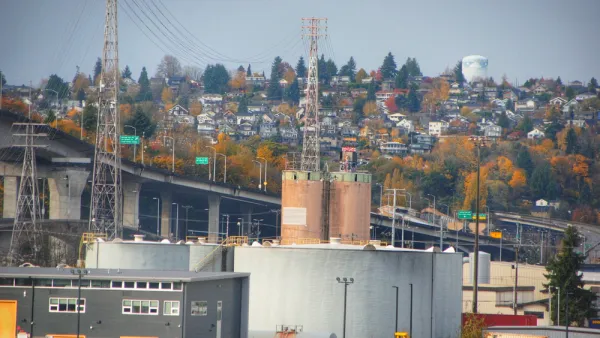
With a Key Bridge Cracked and Closed, Seattle Considers Another Tunnel
The West Seattle Bridge, a key artery for car commuters in Seattle, has been closed since March, and the city has begun to consider a broad array of options for repairing or replacing the span.
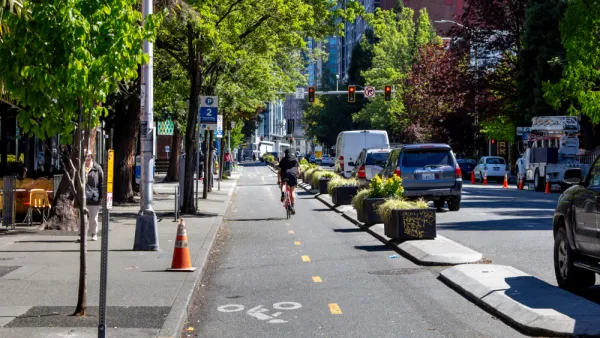
Seattle Planning Commission Urges Reimagining of the City’s Streets
In a set of recommendations submitted to the city, the commission calls for revised land use and transportation policies that reclaim public space from cars and shift focus away from vehicle throughput to more pedestrian-oriented uses.
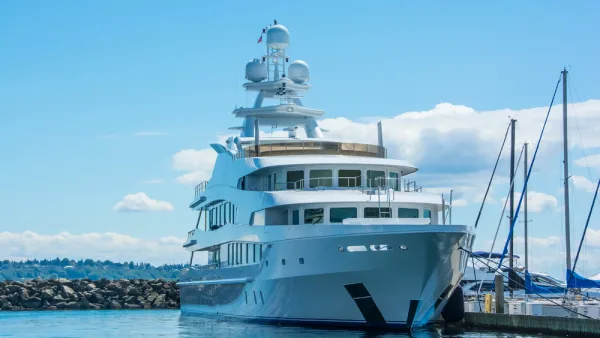
Superyachts Calling the Shots for How Light Rail Gets Built in Seattle
Determinations made by the Coast Guard to accommodate superyachts will affect the price of light rail and other bridge projects in Seattle and environs.

Planetizen Federal Action Tracker
A weekly monitor of how Trump’s orders and actions are impacting planners and planning in America.

The state-sanctioned urbicide of Austin
People don’t kill cities. Freeways do.

US to reduce Colorado River water deliveries to Mexico
A new Colorado Treaty amendment reduces Mexico’s Colorado River water allocation by 250,000 acre feet.

Mamdani overhauls NYC's Vision Zero plan with 100 new policy goals
The overhaul aims to reduce traffic deaths and make streets safer for pedestrians, cyclists and drivers through lower speed limits, new safety infrastructure and more.

Amtrak not solely to blame for New Jersey commuter rail's unreliability, report finds
A new study from the Garden State Initiative found that NJ Transit’s budget grew 20% across a 4 year period, but reliability declined significantly over the same period.

EPA erases limits on planet-warming pollution from power plants
Under Monday’s plan, power plants would still have some limits on how much mercury, arsenic and other contaminants they can emit.

FREE Course: Walkable City 1: Why Walkability?
After describing his path towards focusing on walkability as the essence of good planning, Jeff Speck marches through his five principal reasons for making more walkable places.
Reinventing Malls: Planning Alchemy—Turning Gray Fields Into Gold
The course focuses on the opportunities and imperatives that shape reinvention of mall sites.

Eagle County Government
Harvard University Graduate School of Design
Nashville Planning Department
The Architects Foundation
University of Cincinnati Online
The Pocatello Development Authority
The Urban Renewal Agency of the City of Pocatello
Journal of the American Planning Association