After eight years of planning, a highway crossing project spanning U.S. Route 101 could break ground in 2021.


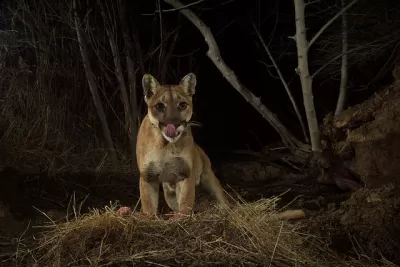
A project to allow safe passage for wildlife across a dangerous Los Angeles freeway will break ground in 2021 if fundraising successes continue. The wildlife crossing will be constructed just north of the city and will be the first wildlife highway crossing in a dense urban area, reports Adele Peters.
Beth Pratt from the National Wildlife Federation, one of the project's stakeholders, says that urban freeways are trapping wildlife in small islands between the thoroughfares. Many species are becoming genetically isolated, unable to commingle with animals in adjacent habitats.
"The situation is most acute for mountain lions, who risk extinction in the area within decades, but other wildlife, from lizards to birds, are also showing a decline in genetic diversity," writes Peters.
Wildfires caused by climate change are creating a sense of urgency. "Fires fueled by climate change are making the challenges worse, as animals often can’t relocate when their habitat is destroyed, or they can’t directly flee the flames. A mountain lion named P-64, who died because of the Woolsey Fire, is one example," Peters reports.
Peters acknowledges that the necessity for a project to provide safe crossing has been in the works for a long time. Given the scale and budget, the U.S. Route 101 project's eight year timeline is moving relatively quickly, Peters says.
Read the full story: This massive wildlife crossing will help protect wildlife from L.A. drivers on the 101
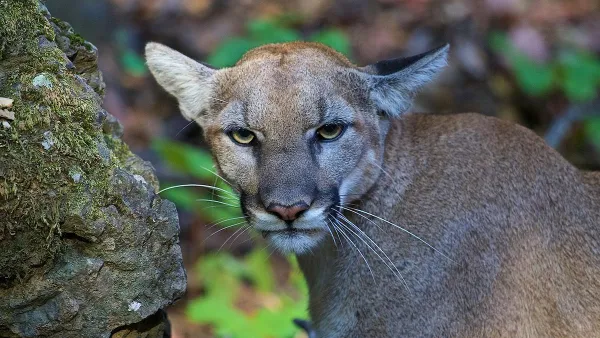
Cougar Death Highlights Urgent Need for Wildlife Crossing
A mountain lion was found dead on the 101 Freeway, less than half a mile from the steel and concrete endoskeleton of the Wallis Annenberg Wildlife Crossing.
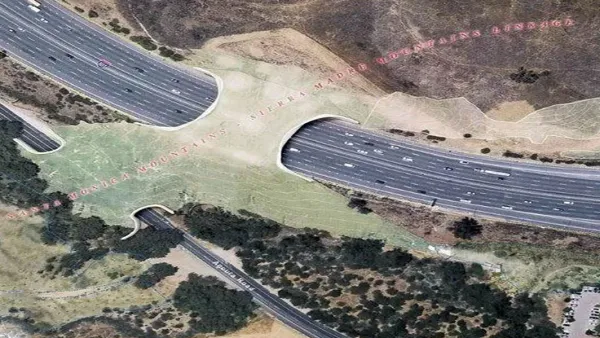
California Wildlife Crossings Get New Funding
The state is budgeting $61 million to build wildlife crossings that increase biodiversity, help species thrive, and save both human and animal lives.
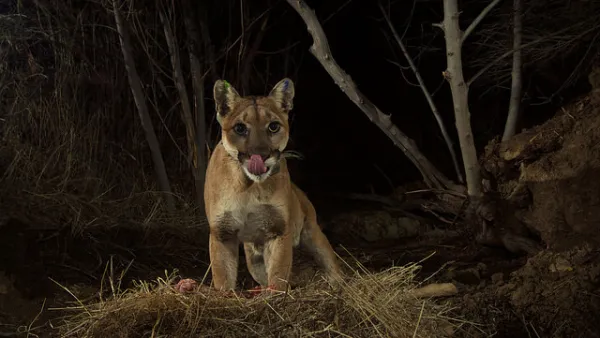
The Best Locations for L.A.’s Mountain Lion Freeway Bridges
A coalition of researchers have identified one area near the 101 and other near I-15 that would help keep the big cats alive and healthy.

Desperate measures: Advocates weigh draining Lake Powell to fill Colorado River
Draining the reservoir could reduce evaporation losses by a couple hundred thousand acre-feet.

Eastern Nebraska is running out of electricity
Data centers and electrification are straining eastern Nebraska’s grid, throttling economic development.

Move over, LA: St. Louis gears up for Olympics, invests millions in downtown redevelopment
The Missouri city will host the 2028 Olympic soccer group stage and knockout matches.

MTA sends Dem leaders a wish list to mend Trump’s damages
Requests include exempting new train and bus components from tariffs and increasing transit security funding.

Mass. votes against statewide minimum lot size for single-family homes
Over 2 million residents voted on Question 7; it was decided by just over 30,000 votes.

Maryland’s $15 billion bridge project gains key approval
The Maryland Transit Authority said the project will create over 60,000 jobs and add $23 billion to the local economy.

FREE Course: Walkable City 1: Why Walkability?
After describing his path towards focusing on walkability as the essence of good planning, Jeff Speck marches through his five principal reasons for making more walkable places.
Reinventing Malls: Planning Alchemy—Turning Gray Fields Into Gold
The course focuses on the opportunities and imperatives that shape reinvention of mall sites.

City of Rosemead
Rutgers University, Edward J. Bloustein School of Planning and Public Policy
One Hundred Miles
University of Michigan School for Environment and Sustainability (SEAS)
Hunter College, City University of New York (CUNY)
The Architects Foundation
City of Cambridge
The Pocatello Development Authority
The Urban Renewal Agency of the City of Pocatello