A mountain lion was found dead on the 101 Freeway, less than half a mile from the steel and concrete endoskeleton of the Wallis Annenberg Wildlife Crossing.


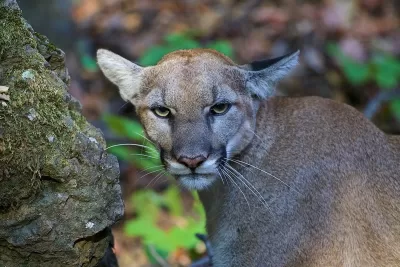
On June 15, 2024, a mountain lion was struck and killed on the 101 Freeway in Agoura Hills, less than half a mile from the under-construction Wallis Annenberg Wildlife Crossing. This incident underscores the necessity of the wildlife bridge, set to be completed by early 2026, which aims to provide a safe passage for animals across the freeway, reducing wildlife fatalities and supporting genetic diversity for species in the Santa Monica Mountains. Local officials and wildlife advocates expressed both heartbreak over the recent death and relief that the wildlife crossing is becoming a reality, emphasizing its critical role in preventing further losses.
The California Highway Patrol reported the fatal accident early in the morning, with the deceased lion later identified as an uncollared adult male by the California Department of Fish and Wildlife. Genetic samples were collected to learn more about the lion's origins. This tragic event, along with previous similar incidents, highlights the ongoing dangers faced by wildlife in the area and reinforces the importance of the crossing, which is designed to benefit a range of species, from mountain lions to monarch butterflies.
Construction of the Wallis Annenberg Wildlife Crossing is progressing, with current efforts focused on building vegetated sound walls and preparing the bridge for soil and plant integration by the end of the year. The project, costing $92 million, will also extend over Agoura Road and include fire-safe utility relocations. Advocates hope the successful implementation of this crossing will inspire similar projects in other critical locations, addressing widespread wildlife movement challenges across busy roads.
FULL STORY: Cougar death near new wildlife bridge a heartbreaker

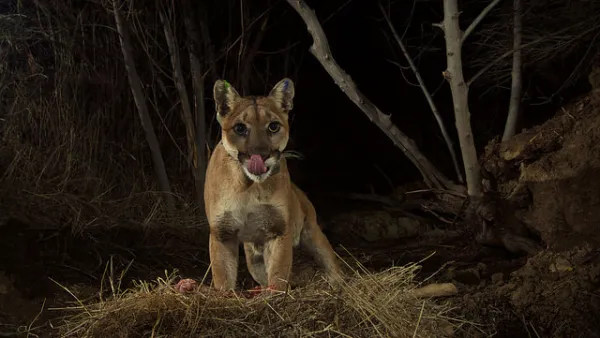
The Best Locations for L.A.’s Mountain Lion Freeway Bridges
A coalition of researchers have identified one area near the 101 and other near I-15 that would help keep the big cats alive and healthy.
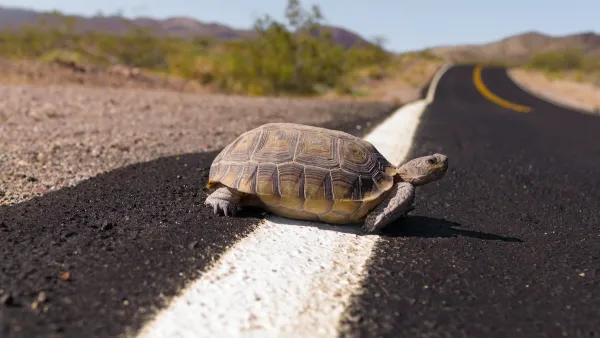
California Room to Roam Act Prioritizes Wildlife Connectivity
A new state law requires new development and infrastructure to minimize disruption to local wildlife habitats and migration patterns.
L.A. Wildlife Crossing To Break Ground This Spring
The planned wildlife bridge spanning an eight-lane freeway will be the world's largest and most ambitious project of its kind.

The state-sanctioned urbicide of Austin
People don’t kill cities. Freeways do.

US to reduce Colorado River water deliveries to Mexico
A new Colorado Treaty amendment reduces Mexico’s Colorado River water allocation by 250,000 acre feet.

New Jersey’s second-largest city bans standalone data centers
Jersey City will continue to allow co-location facilities, such as those meant for research institutions that store their own data.

Amtrak not solely to blame for New Jersey commuter rail's unreliability, report finds
A new study from the Garden State Initiative found that NJ Transit’s budget grew 20% across a 4 year period, but reliability declined significantly over the same period.

EPA erases limits on planet-warming pollution from power plants
Under Monday’s plan, power plants would still have some limits on how much mercury, arsenic and other contaminants they can emit.

Phoenix announces new on-demand transit service, more frequent RAPID buses
Both new services will launch in October, and are part of Phoenix's Project Effective Access Solutions for Easing Congestion.

FREE Course: Walkable City 1: Why Walkability?
After describing his path towards focusing on walkability as the essence of good planning, Jeff Speck marches through his five principal reasons for making more walkable places.
Reinventing Malls: Planning Alchemy—Turning Gray Fields Into Gold
The course focuses on the opportunities and imperatives that shape reinvention of mall sites.


Eagle County Government
Harvard University Graduate School of Design
Nashville Planning Department
The Architects Foundation
University of Cincinnati Online
The Pocatello Development Authority
The Urban Renewal Agency of the City of Pocatello
Journal of the American Planning Association