The consequences of more than a century of planning and zoning are gaining more attention in the media as the country struggles through a pandemic. Will these lessons win new political support for more density in residential neighborhoods?


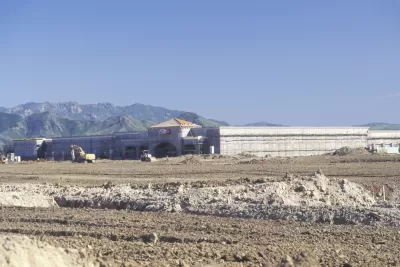
"Around the country, cities and states are grappling with how zoning rules have deeply codified racial inequity and exacerbated climate change," according to an article by Lauren Sommer.
Sommer is expanding the discourse that has followed President Trump's recent comments about the effect of progressive planning policies on the future of U.S. suburbs to focus on the racial and economic benefits of zoning reform. On the latter, Sommer writes: "Experts say tackling climate change will mean reshaping neighborhoods with a new focus on public transit, biking and walkability."
The article implies that by focusing on the environmental benefits of new kinds of density in residential neighborhoods, proponents of planning reforms might win over more of the Democrats who oppose density in communities like those in California, where upzoning bills like SB 50 and SB 827 failed to win the necessary political support in recent years.
The article also includes analysis of the accomplishments toward single-family zoning reform in Minneapolis and the state of Oregon, highlighting especially how reformers won political support for the idea of rescinding single-family zoning citywide during the process of developing and approving the Minneapolis 2040 Comprehensive Plan.
While the article doesn't necessarily include an information that will come as a surprise to regular readers of Planetizen, it does provide a nearly comprehensive overview of the environmental and racial effects of traditional approaches to planning and zoning, presenting the information to both a more general audience (i.e., of non planners) and a more specific audience (i.e., the kind of liberals that claim to support racial equality and environmental regulation while supporting the kind of planning reforms that would further both of those goals). Left out of the conversation in this article, however, is the reality and growing concern (as the housing market faces yet another epochal upheaval) that new residential housing capacity will be mostly snapped up by private equity firms and Wall Street interests, falling far short of intended goals for social and economic equity.
FULL STORY: Why Sprawl Could Be The Next Big Climate Change Battle

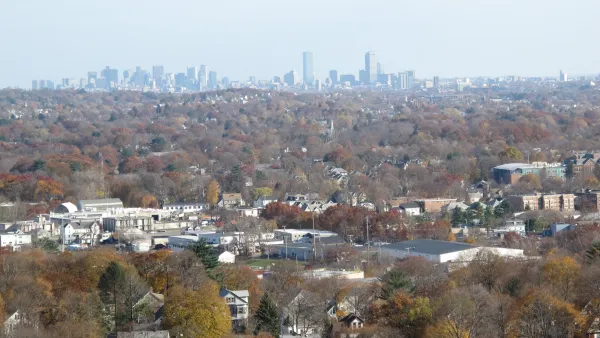
'Housing Choice' Approved in Massachusetts
The Housing Choice initiative, one of the country's most sweeping planning and development reforms to date, was included in a large economic development package approved by the Massachusetts Legislature earlier this week.
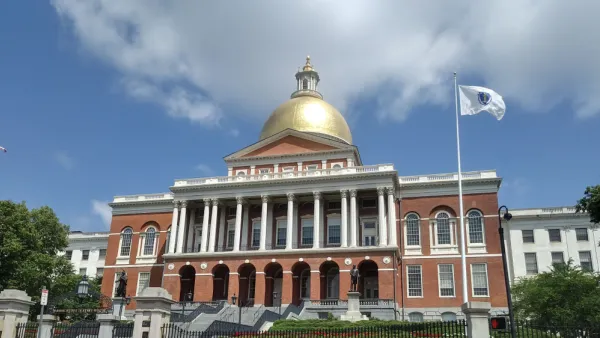
How Massachusetts Got its Historic Planning Reform Moment
As reported earlier this month, the Massachusetts Legislature is poised to approve historic statewide land use reforms that would preempt local control of residential development. Here's a detailed account of how the state arrived at this moment.
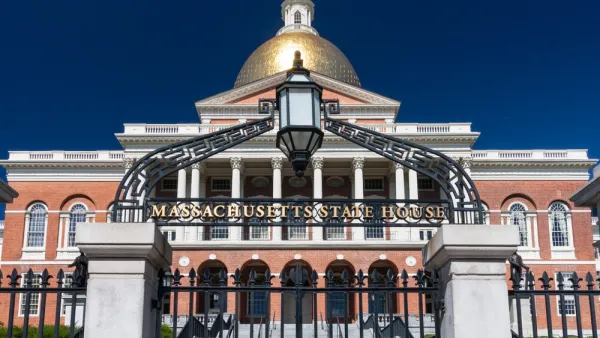
'Housing Choice' Ready to Overcome the Planning Status Quo in Massachusetts
After several failed attempts, Massachusetts Legislature is close to a breakthrough on the Housing Choice initiative proposed by Governor Baker as a tool for generating a lot of new housing supply in the state.

The state-sanctioned urbicide of Austin
People don’t kill cities. Freeways do.

US to reduce Colorado River water deliveries to Mexico
A new Colorado Treaty amendment reduces Mexico’s Colorado River water allocation by 250,000 acre feet.

New Jersey’s second-largest city bans standalone data centers
Jersey City will continue to allow co-location facilities, such as those meant for research institutions that store their own data.

Amtrak not solely to blame for New Jersey commuter rail's unreliability, report finds
A new study from the Garden State Initiative found that NJ Transit’s budget grew 20% across a 4 year period, but reliability declined significantly over the same period.

EPA erases limits on planet-warming pollution from power plants
Under Monday’s plan, power plants would still have some limits on how much mercury, arsenic and other contaminants they can emit.

Phoenix announces new on-demand transit service, more frequent RAPID buses
Both new services will launch in October, and are part of Phoenix's Project Effective Access Solutions for Easing Congestion.

FREE Course: Walkable City 1: Why Walkability?
After describing his path towards focusing on walkability as the essence of good planning, Jeff Speck marches through his five principal reasons for making more walkable places.
Reinventing Malls: Planning Alchemy—Turning Gray Fields Into Gold
The course focuses on the opportunities and imperatives that shape reinvention of mall sites.

Eagle County Government
Harvard University Graduate School of Design
Nashville Planning Department
The Architects Foundation
University of Cincinnati Online
The Pocatello Development Authority
The Urban Renewal Agency of the City of Pocatello
Journal of the American Planning Association