Paiute Indians in Arizona oppose a plan to pipe Colorado River water from Lake Powell in Arizona to St. George in Utah, according to documents released by the U.S. Bureau of Reclamation.


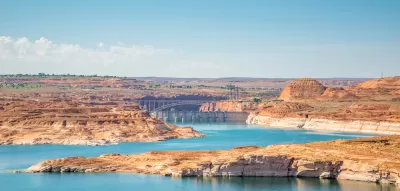
"Any potential alignment of the Lake Powell pipeline would pass through lands that hold spiritual and cultural significance to Southern Paiutes, who fear the project would jeopardize their culture and upset the balance of nature," reports Brian Maffley.
The U.S. Bureau of Reclamation recently released the environmental impact statement for the proposed pipeline, revealing the concerns of the Kaibab Band of Paiute Indians about the project's intentions to divert Colorado River water to feed growing demand in the urban areas around St. George.
"Utah has a legal right to some of the Colorado’s flow and intends to put 6% of its share to use by piping it across northern Arizona and southern Utah for use in Washington County, whose population is expected to more than double by 2060 to nearly half a million," according to Maffley.
The environmental documents for the project present two alternatives: "One alternative route passes through Arizona’s Kaibab Indian Reservation and the other, preferred by the water project’s Utah proponents, skirts the reservation around its southern borders by following an existing utility corridor," writes Maffley.
FULL STORY: Lake Powell pipeline will ‘make the river angry,' Southern Paiutes warn as feds release analysis

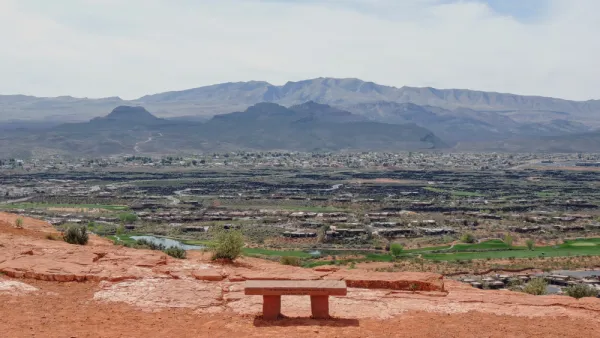
Six States Want Colorado River Pipeline Slowed
The seven states of the Colorado River Compact usually stay out of each other's business once the water is divvied up, but in a surprising move, six of the compact states have signed a letter to raise concerns about Utah's pipeline plans.
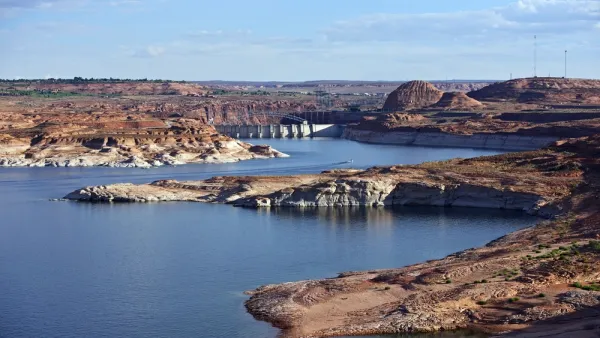
Changes for Big Pipeline Project to Connect Utah to the Colorado River
A hugely significant water and power infrastructure project in the works in Utah is now only a water project.
The Nation’s Fastest Growing Town Needs More Water
Cheap water flows freely to the golf courses of St. George, Utah, but all the new residents mean it’s going to have to increase supply or reduce demand—or both.

The state-sanctioned urbicide of Austin
People don’t kill cities. Freeways do.

US to reduce Colorado River water deliveries to Mexico
A new Colorado Treaty amendment reduces Mexico’s Colorado River water allocation by 250,000 acre feet.

New Jersey’s second-largest city bans standalone data centers
Jersey City will continue to allow co-location facilities, such as those meant for research institutions that store their own data.

Amtrak not solely to blame for New Jersey commuter rail's unreliability, report finds
A new study from the Garden State Initiative found that NJ Transit’s budget grew 20% across a 4 year period, but reliability declined significantly over the same period.

EPA erases limits on planet-warming pollution from power plants
Under Monday’s plan, power plants would still have some limits on how much mercury, arsenic and other contaminants they can emit.

Phoenix announces new on-demand transit service, more frequent RAPID buses
Both new services will launch in October, and are part of Phoenix's Project Effective Access Solutions for Easing Congestion.

FREE Course: Walkable City 1: Why Walkability?
After describing his path towards focusing on walkability as the essence of good planning, Jeff Speck marches through his five principal reasons for making more walkable places.
Reinventing Malls: Planning Alchemy—Turning Gray Fields Into Gold
The course focuses on the opportunities and imperatives that shape reinvention of mall sites.

Eagle County Government
Harvard University Graduate School of Design
Nashville Planning Department
The Architects Foundation
University of Cincinnati Online
The Pocatello Development Authority
The Urban Renewal Agency of the City of Pocatello
Journal of the American Planning Association