A hugely significant water and power infrastructure project in the works in Utah is now only a water project.


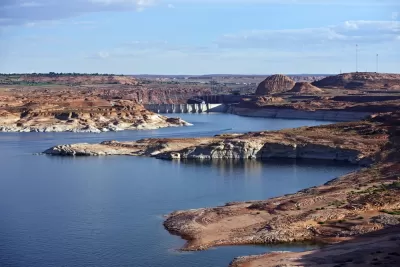
Brian Maffly reports on changes on a major water infrastructure to deliver water from the Colorado River to a quickly growing part of Utah: "Utah’s proposed Lake Powell pipeline will cost less to build and be easier to permit under a decision announced Wednesday to cut major hydropower components from the controversial project that would move 86,000 acre-feet of Colorado River water to St. George."
"The division’s new plan for the 142-mile pipeline excludes two reservoirs, proposed for the top and bottom of Hurricane Cliffs, that were to help generate hydropower at times of peak demand. The reservoirs’ removal is expected to lower the tab by about $100 million," according to Maffly.
Despite the savings for the upfront cost of the project, the changes have a longer-term consequence of ending a source of revenue from the now cancelled power generation capacity of the project.
Planetizen picked up in-depth coverage of the pipeline and its implications for the fast-growing city of St. George, Utah, in 2018.
FULL STORY: In major move, Utah pulls most hydropower out of Lake Powell pipeline

The Nation’s Fastest Growing Town Needs More Water
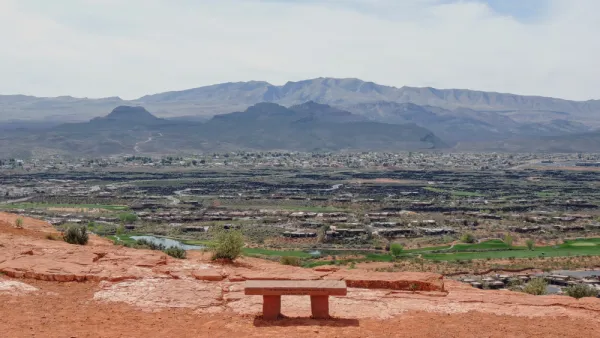
Cheap water flows freely to the golf courses of St. George, Utah, but all the new residents mean it’s going to have to increase supply or reduce demand—or both.
Environmental Impact Statement for Lake Powell-to-Utah Water Pipeline Released
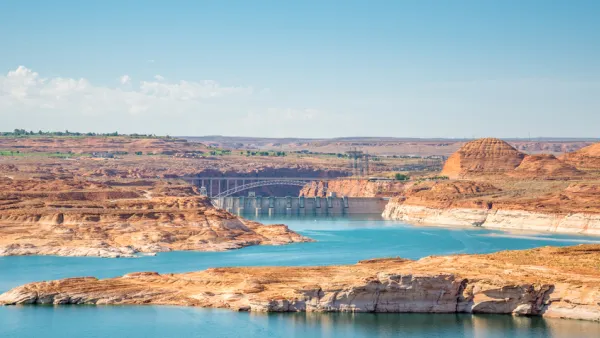
Paiute Indians in Arizona oppose a plan to pipe Colorado River water from Lake Powell in Arizona to St. George in Utah, according to documents released by the U.S. Bureau of Reclamation.
Calls Grow for ‘One-Dam Solution’ on Colorado River
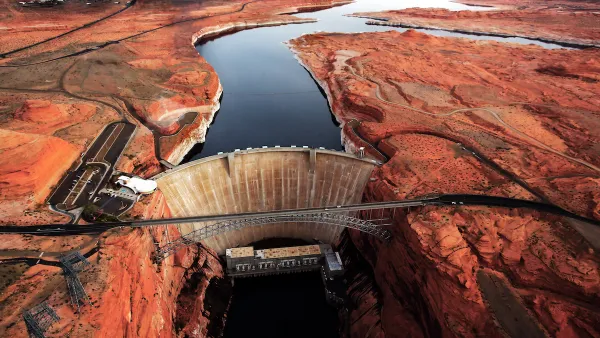
California growers and others in the river’s Lower Basin want the federal government to consider draining Lake Powell to conserve more water downstream.

Planetizen Federal Action Tracker
A weekly monitor of how Trump’s orders and actions are impacting planners and planning in America.

The state-sanctioned urbicide of Austin
People don’t kill cities. Freeways do.

US to reduce Colorado River water deliveries to Mexico
A new Colorado Treaty amendment reduces Mexico’s Colorado River water allocation by 250,000 acre feet.

Guerilla urbanists are building DIY bus stop benches in Chicago
A before-and-after of one of the bus stops with a new bench. The new benches are not officially sanctioned or permitted, but the residents who placed them hope they will be the start of a network of DIY benches across the city.

Mamdani overhauls NYC's Vision Zero plan with 100 new policy goals
The overhaul aims to reduce traffic deaths and make streets safer for pedestrians, cyclists and drivers through lower speed limits, new safety infrastructure and more.

Amtrak not solely to blame for New Jersey commuter rail's unreliability, report finds
A new study from the Garden State Initiative found that NJ Transit’s budget grew 20% across a 4 year period, but reliability declined significantly over the same period.

FREE Course: Walkable City 1: Why Walkability?
After describing his path towards focusing on walkability as the essence of good planning, Jeff Speck marches through his five principal reasons for making more walkable places.
Reinventing Malls: Planning Alchemy—Turning Gray Fields Into Gold
The course focuses on the opportunities and imperatives that shape reinvention of mall sites.

Eagle County Government
Harvard University Graduate School of Design
Nashville Planning Department
The Architects Foundation
University of Cincinnati Online
The Pocatello Development Authority
The Urban Renewal Agency of the City of Pocatello
Journal of the American Planning Association