Too many people have been seeking normalcy on parks and on trails. This isn’t a normal time.


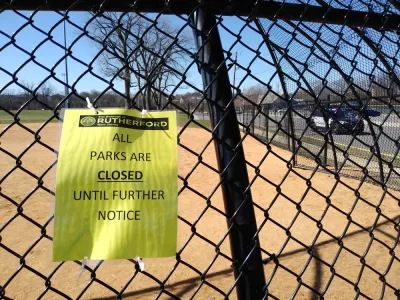
Many of the shelter in place orders in effect around the country, and pressure from government officials to maintain “social distancing,” came with an escape hatch: people have generally been encouraged to continue hiking and walking outside for exercise and peace of mind.
That last vestige of normalcy was quickly overwhelmed by large numbers of residents in numerous cities taking to parks and open spaces, prompting closures of parks and trails in cities and counties, like Los Angeles city and county, the city of San Diego, and Sonoma County (also in California). Several parks in the San Francisco Bay Area also closed in response to crowded conditions over the weekend.
In New York City, the number of people in parks over the weekend provoked a tweet from New York Governor Andrew Cuomo that might have inadvertently fueled anti-density sentiment as the city braces for the worst infestation and death rates of the pandemic in the United States so far.
The story was the same in Minneapolis, where Miguel Otárola wrote to broadcast warnings from local officials about heavy traffic on local trails, putting too many people in close proximity.
Inga Saffron, pulitzer prize-winning architecture critic, also wrote an appeal for Philadelphia residents to “recalibrate our relationship with our beloved public spaces if we are going to survive this plague.”
Some advocates are calling for streets to be closed to cars due to the lack of open public space proximate to neighborhoods in many cities, an action already taken in Philadelphia on Martin Luther King Drive.
FULL STORY: In this plague, we must learn to play alone in our parks | Inga Saffron

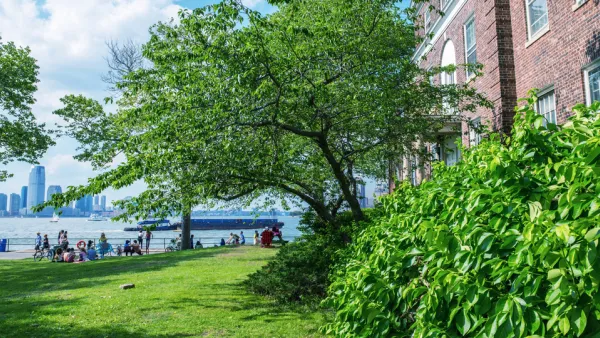
Even Parks Are Going Online During the Pandemic
Parks departments in New York City and Pittsburgh are offering videos and livestreams to cooped-up residents.
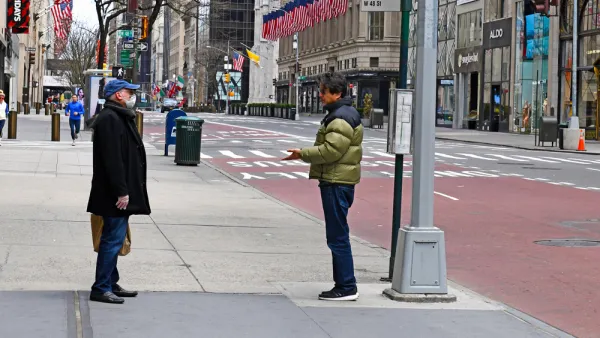
New Density Control Measure to Close Some New York Streets to Cars
To encourage recreational walking while practicing social distancing in order to reduce the spread of COVID-19, Gov. Andrew Cuomo asked the New York City mayor and city council speaker to devise a pilot project to provide for open streets.
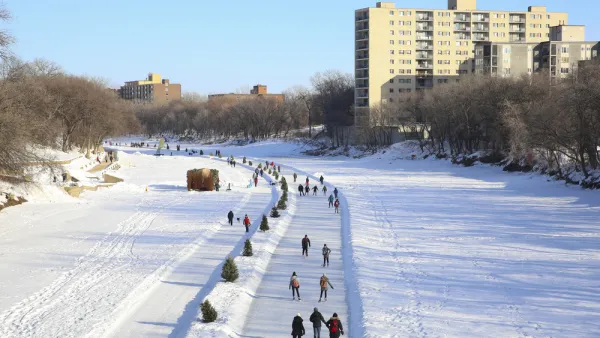
Serpentine Maze: Pop-Up Parks in the Pandemic
If the combined effects of winter's cold and the pandemic has you bummed, check out this community-building exercise in the frozen North.

The state-sanctioned urbicide of Austin
People don’t kill cities. Freeways do.

US to reduce Colorado River water deliveries to Mexico
A new Colorado Treaty amendment reduces Mexico’s Colorado River water allocation by 250,000 acre feet.

New Jersey’s second-largest city bans standalone data centers
Jersey City will continue to allow co-location facilities, such as those meant for research institutions that store their own data.

Amtrak not solely to blame for New Jersey commuter rail's unreliability, report finds
A new study from the Garden State Initiative found that NJ Transit’s budget grew 20% across a 4 year period, but reliability declined significantly over the same period.

EPA erases limits on planet-warming pollution from power plants
Under Monday’s plan, power plants would still have some limits on how much mercury, arsenic and other contaminants they can emit.

Phoenix announces new on-demand transit service, more frequent RAPID buses
Both new services will launch in October, and are part of Phoenix's Project Effective Access Solutions for Easing Congestion.

FREE Course: Walkable City 1: Why Walkability?
After describing his path towards focusing on walkability as the essence of good planning, Jeff Speck marches through his five principal reasons for making more walkable places.
Reinventing Malls: Planning Alchemy—Turning Gray Fields Into Gold
The course focuses on the opportunities and imperatives that shape reinvention of mall sites.

Eagle County Government
Harvard University Graduate School of Design
Nashville Planning Department
The Architects Foundation
University of Cincinnati Online
The Pocatello Development Authority
The Urban Renewal Agency of the City of Pocatello
Journal of the American Planning Association