A massive public transit planning effort is underway in the Charlotte region.


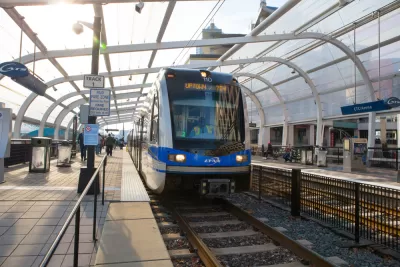
Ely Portillo reports on the launch of CONNECT Beyond, an 18-month process to create the first comprehensive transit plan for the Charlotte region.
The Centralina Council of Governments is undertaking the CONNECT Beyond process, which will cover 12 counties, in two states, with 17 different transit systems. "Previous transit planning efforts have been focused mostly on one county at a time," according to Portillo. "The goal here is to come up with a plan to coordinate and prioritize projects, as well as funding requests, across the whole region."
Portillo provides a dispatch from the first gathering of regional officials to launch the plan, and answers a few of the big questions about the plan, like who will lead the implementation of the plan, who will pay for planned improvements, and more.
In a separate article, Bruce Henderson provides additional coverage of the plan, including context for the motivation behind the regional approach to transit planning:
A common thread: The fast pace of development is making it harder to get around, and fixing that will help the region compete nationally. Prospective employers want to know how their hires would get to work. New arrivals demand a quality of life that’s not stuck in traffic.
FULL STORY: ‘You can only make roads so big’: Charlotte region launches first transit plan


San Diego High-Speed Rail Plan Counts on Future Density
Despite slowing population growth statewide, officials believe the region will "grow into" the new rail system if cities promote dense development around transit stations.
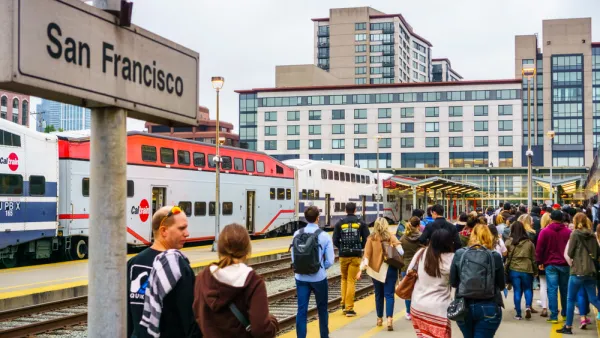
One Rail System to Ring the Bay Area? Supporters See Reasons for Optimism
A plan to integrate the various regional transit providers in the San Francisco Bay Area could be the key to winning back transit riders in the post-pandemic world.

New Orleans Weighs Regional Transit Plan
A new proposal would improve wait times for area buses and bring more households within walking distance to transit stops.

Planetizen Federal Action Tracker
A weekly monitor of how Trump’s orders and actions are impacting planners and planning in America.

The state-sanctioned urbicide of Austin
People don’t kill cities. Freeways do.

US to reduce Colorado River water deliveries to Mexico
A new Colorado Treaty amendment reduces Mexico’s Colorado River water allocation by 250,000 acre feet.

5 New England states march closer to 800 megawatt wind energy project
Securing federal approval for the project may be complicated under the Trump administration, which has historically been hostile towards domestic wind power.

Baltimore to break ground on $50 million Transit Priority Project
The project will bring faster bus trips, safer streets and better bike connections to Baltimore.

Airbnb launches $250 million 'last-dollar financing' housing accelerator, makes first investment in Austin
The company will put $6.4 million towards affordable housing development in Texas’ capital.

FREE Course: Walkable City 1: Why Walkability?
After describing his path towards focusing on walkability as the essence of good planning, Jeff Speck marches through his five principal reasons for making more walkable places.
Reinventing Malls: Planning Alchemy—Turning Gray Fields Into Gold
The course focuses on the opportunities and imperatives that shape reinvention of mall sites.

Eagle County Government
Harvard University Graduate School of Design
Nashville Planning Department
The Architects Foundation
University of Cincinnati Online
The Pocatello Development Authority
The Urban Renewal Agency of the City of Pocatello
Journal of the American Planning Association