A study of residents in Beijing, China who became car owners indicates that they used alternative transportation modes less after buying cars.


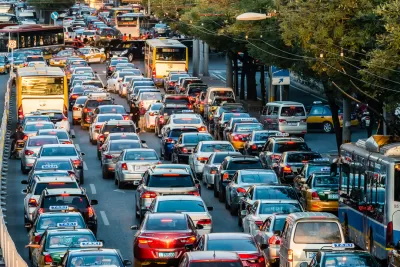
A study published in the journal The BMJ tracked a group of adults in Beijing, China after they won a randomized lottery allowing them to purchase vehicle permits. "The study found that getting a car had a significant impact on people’s physical activity. They walked less. They cycled less. They used less public transit," reports Susan Perry.
Ninety-one percent of the 180 people in the survey sample who won permits ended up getting cars. This allowed researchers to compare their activity levels and travel behavior to individuals who did not own cars. In addition to fewer transit rides and less cycling, individuals over the age of 50 gained an average of 23 pounds.
"These results offer a message for all us. They suggest that the ways we — as individuals and as a society — choose to transport ourselves, particularly in our cities, can have a direct impact on our health," adds Perry.
Read the full story: Owning a car is linked to less physical activity and weight gain
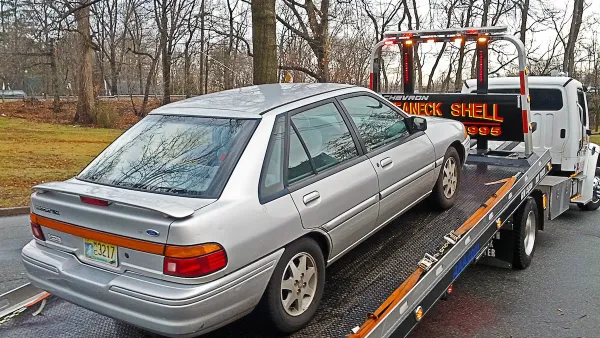
Car Loan Defaults Have Spiked 50%. With Repossession Rates Rising, How Will Americans Get to Work?
In 2024, 1.7 million cars were repossessed in the United States, the highest number since 2009.
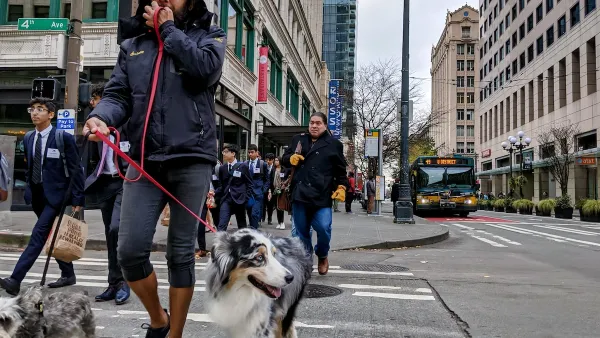
Now 20% Car-Free, Seattle's Population is Growing. Its Traffic is Not.
Since 2017, the number of cars in the city has stayed roughly the same, even as the population continues to grow.

Car Manufacturers Worried After Trump Administration Gave More Than Expected
The auto industry lobby is meeting with Trump Administration officials to convince them to ease off the throttle.

Planetizen Federal Action Tracker
A weekly monitor of how Trump’s orders and actions are impacting planners and planning in America.

Eastern Nebraska is running out of electricity
Data centers and electrification are straining eastern Nebraska’s grid, throttling economic development.

Move over, LA: St. Louis gears up for Olympics, invests millions in downtown redevelopment
The Missouri city will host the 2028 Olympic soccer group stage and knockout matches.

Dallas releases zoning code overhaul to officials
The drafted overhaul is over 400 pages long.

NYC renovations for dangerous, ‘mercilessly crammed’ street delayed until 2027
Construction was supposed to begin this fall.

San Diego’s Midway Rising project gets greenlight from city council
The project looks to become the largest affordable housing development in California's history.

FREE Course: Walkable City 1: Why Walkability?
After describing his path towards focusing on walkability as the essence of good planning, Jeff Speck marches through his five principal reasons for making more walkable places.
Reinventing Malls: Planning Alchemy—Turning Gray Fields Into Gold
The course focuses on the opportunities and imperatives that shape reinvention of mall sites.

City of Rosemead
Rutgers University, Edward J. Bloustein School of Planning and Public Policy
One Hundred Miles
University of Michigan School for Environment and Sustainability (SEAS)
Hunter College, City University of New York (CUNY)
The Architects Foundation
City of Cambridge
The Pocatello Development Authority
The Urban Renewal Agency of the City of Pocatello