Toronto approved a ten-year poverty reduction strategy in 2015, but the policies and programs included in that plan still require budgetary commitments.


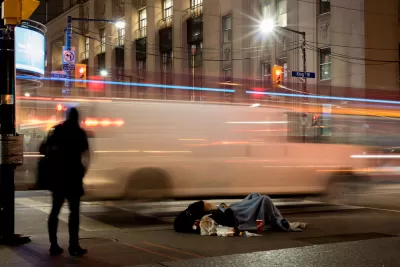
"Under a renewed plan to reduce poverty in Toronto, city council will consider extending library hours, expanding a TTC discount program and reducing waiting lists for recreation programs in low-income neighbourhoods," reports Jennifer Pagliaro.
Pagliaro is updating the status of the plan as the city considers the budget it will devote to all of those lofty ambitions—all part of a ten-year poverty reduction strategy approved by the city in 2015. The costs of implementing the plan still aren't clear, according to a staff report prepared to budget the plan for the next four years.
The need is obvious, however: "The city staff report says that, based on the most recent 2016 census, one in five adults and one in four children still live in poverty in Toronto, based on a federal measure for low income, and some parts of the city are particularly marginalized, especially where neighbourhoods are 'highly racialized.'"
Pagliaro's article also details of the staff report recommends spending on the poverty plan be prioritized, along with more details on the report.
FULL STORY: Toronto council to consider anti-poverty plan that includes expanding TTC discounts

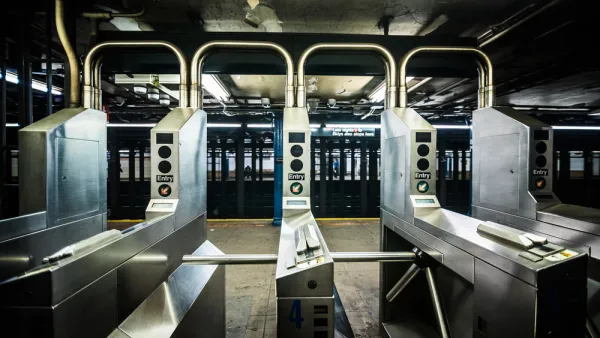
Means-Based, Transit-Fare Discounts Take a Leap Forward in the Big Apple
The 2019 New York City budget includes $106 million to subsidize half the transit fare for qualified residents for six months. The city joins the ranks of Seattle, Toronto, and the Bay Area that offer income-based discounts for transit fares.
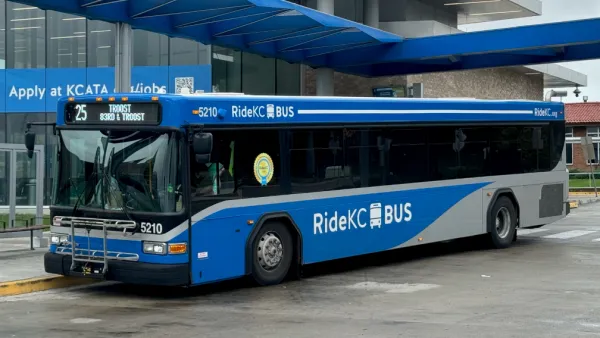
Kansas City Will Start Charging Bus Fares in June — With no Plan in Place for Low-income Riders
Service providers say they haven’t been told how their clients can access free or reduced fares after the agency starts charging again this summer.
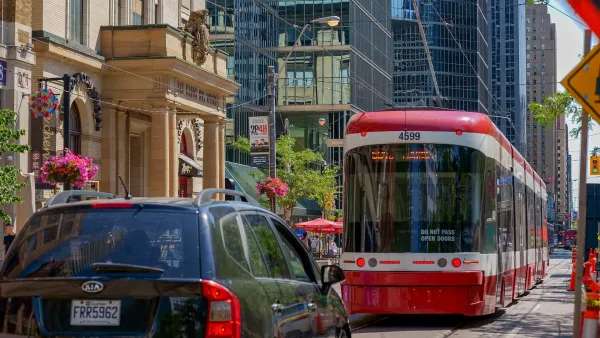
Toronto Man Beats Streetcar on Foot to Highlight Traffic Delays
Runner Mac Bauer says he hopes his project spurs the city to improve transit speed and reliability.

Planetizen Federal Action Tracker
A weekly monitor of how Trump’s orders and actions are impacting planners and planning in America.

The state-sanctioned urbicide of Austin
People don’t kill cities. Freeways do.

US to reduce Colorado River water deliveries to Mexico
A new Colorado Treaty amendment reduces Mexico’s Colorado River water allocation by 250,000 acre feet.

5 New England states march closer to 800 megawatt wind energy project
Securing federal approval for the project may be complicated under the Trump administration, which has historically been hostile towards domestic wind power.

Baltimore to break ground on $50 million Transit Priority Project
The project will bring faster bus trips, safer streets and better bike connections to Baltimore.

Airbnb launches $250 million 'last-dollar financing' housing accelerator, makes first investment in Austin
The company will put $6.4 million towards affordable housing development in Texas’ capital.

FREE Course: Walkable City 1: Why Walkability?
After describing his path towards focusing on walkability as the essence of good planning, Jeff Speck marches through his five principal reasons for making more walkable places.
Reinventing Malls: Planning Alchemy—Turning Gray Fields Into Gold
The course focuses on the opportunities and imperatives that shape reinvention of mall sites.

Eagle County Government
Harvard University Graduate School of Design
Nashville Planning Department
The Architects Foundation
University of Cincinnati Online
The Pocatello Development Authority
The Urban Renewal Agency of the City of Pocatello
Journal of the American Planning Association