As cities across the U.S. commit to ambitious climate actions, they're seeking effective ways to engage with local communities.


With the federal retreat on environmental leadership during the Trump era, American cities are taking a lead role in addressing climate change. Public outreach generally is a big part of the effort. City governments, with their limited manpower and resources, can’t tackle the problem alone; in addition to keeping their constituents informed about their climate actions, they need to motivate them to be part of the solution.
As communications director of the nonprofit Urban Sustainability Directors Network, Julia Trezona Peek helps city officials throughout the U.S. and Canada develop outreach strategies. She said that while all the municipalities she works with understand the importance of connecting with their citizens, these efforts play out very differently from place to place.
“Everyone is working on communications and public engagement in some way,” she said. “But they also have widely varying time, staff, and financial resources to do that – and, of course, varying political realities and contexts.”
This article provides case studies of climate outreach and engagement in Miami, Miami Beach, Cleveland, and Somerville, Massachusetts.
Read the full story: Kayaking, canvassing, and cooking classes: Cities experiment with climate outreach


'Climate Gentrification' Is Exacerbating Economic Inequality in Miami
A new study shows that over the last several decades the price of real estate has been heavily influenced by the actual and anticipated effects of climate change.
Meet the Woman Inspiring Climate Resilience in Miami Beach
If the Miami region manages to weather the climate change storm, it will be thanks to effective collaboration between government, the public, and private interests. Meet the woman tasked with starting that process in Miami Beach.
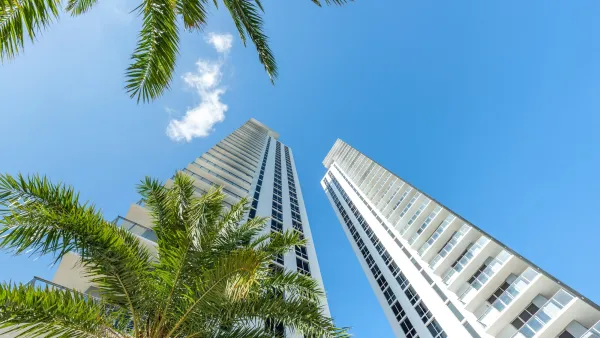
Miami Lets Developers Buy Double Density with Climate Fund Contributions
City officials are close to passing a law that would give major density bonuses to developers in exchange for funding for seawalls, pump stations, and other climate resilience projects.

Planetizen Federal Action Tracker
A weekly monitor of how Trump’s orders and actions are impacting planners and planning in America.

The state-sanctioned urbicide of Austin
People don’t kill cities. Freeways do.
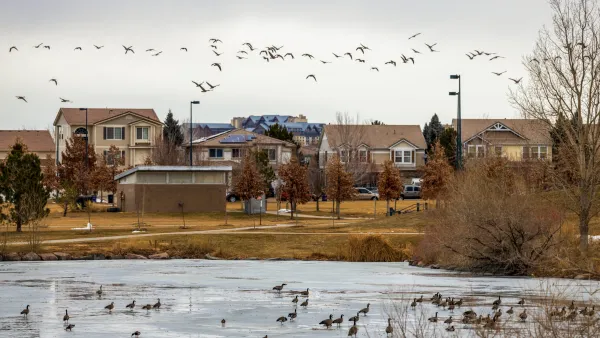
Colorado’s Largest Data Center Could Rise Next to Homes — Without a Public Hearing
The proposed campus would consume 11 times the power of Denver International Airport; as it has across the country, opposition mounts.
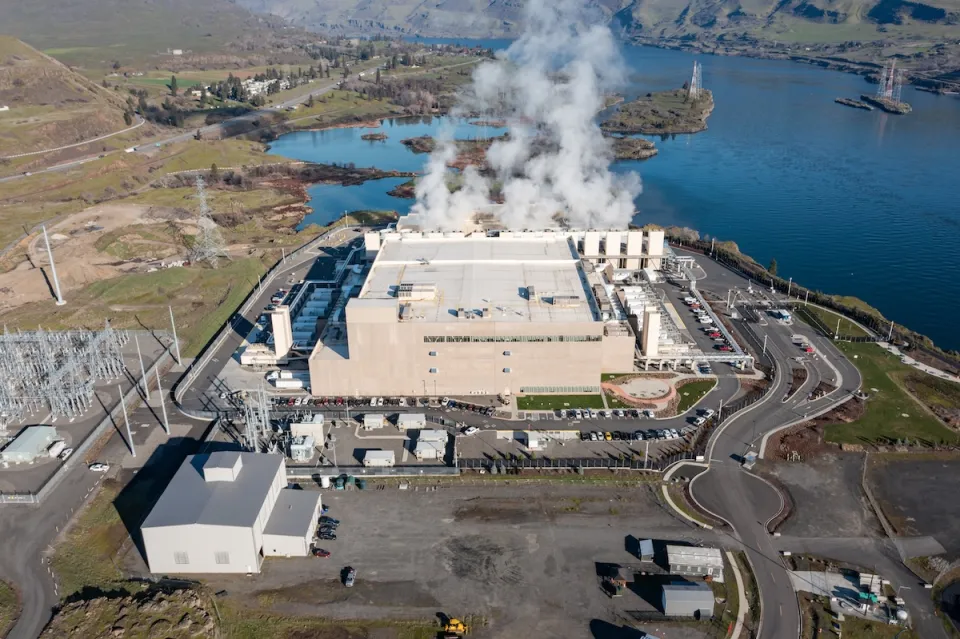
Data centers are consuming nearly 25% of Oregon’s power
The state has 111 data centers, with 32 more either planned or under construction.

A third of Texas cities must update their zoning codes to comply with new housing law
Texas municipalities are now required to allow manufactured housing in at least one residential zoning district.

Nation's most wind-powered state turns to coal as data centers increase energy demand
For the first time in decades, Iowa has increased its generation of coal power.

FREE Course: Walkable City 1: Why Walkability?
After describing his path towards focusing on walkability as the essence of good planning, Jeff Speck marches through his five principal reasons for making more walkable places.
Reinventing Malls: Planning Alchemy—Turning Gray Fields Into Gold
The course focuses on the opportunities and imperatives that shape reinvention of mall sites.


Greater Baltimore Committee
Eagle County Government
Harvard University Graduate School of Design
The Architects Foundation
University of Cincinnati Online
The Pocatello Development Authority
The Urban Renewal Agency of the City of Pocatello
Journal of the American Planning Association