A new study shows that over the last several decades the price of real estate has been heavily influenced by the actual and anticipated effects of climate change.


At CityLab, Richard Florida relays the results of an academic study on a "still emerging and not yet clearly defined" phenomenon known as "climate gentrification."
As water levels rise and flooding increases, Miami will segregate along new lines, with the poor pushed farther into the region’s hinterlands, or perhaps out of the region altogether—exacerbating the substantial spatial inequality that already defines the region.
(Similar results were published earlier this year in the same journal.)
The strongest correlation between elevation and home prices were in the city’s most low-lying areas, including Miami Beach, which—despite admirable efforts to adapt to climate change—is still basically a vulnerable barrier island.
The study, Florida writes, also demonstrates that gentrification "does not simply reflect the preferences and decisions of so-called gentrifiers. It is often the product of larger structural forces and major public investments."
FULL STORY: ‘Climate Gentrification’ Will Deepen Urban Inequality


Climate Gentrification in Miami
With the threat of sea level rise, homes on higher ground in Miami are becoming increasingly desirable. But they are located in low-income communities of color, and residents are facing rising housing costs and displacement.
Low-Income Communities Left Behind in the Sea-Level Rise Discussion
The recent Florid King Tide provided more evidence that some communities in Miami-Dade County have been prioritized bin the ongoing response to sea-level rise.
Combating Climate Gentrification in Vulnerable Communities
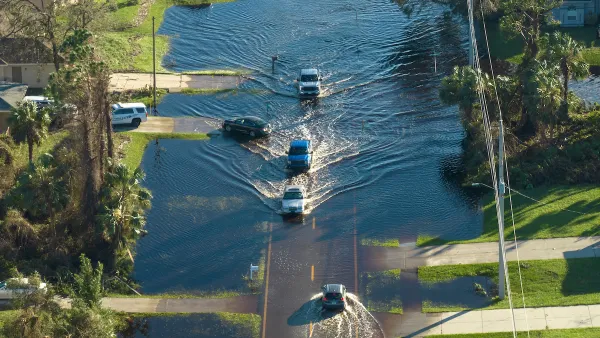
As extreme weather forces more Americans to relocate to safer areas, this climate-driven displacement impacts not just those who flee high-risk areas, but also the communities they can displace from their new homes.

The state-sanctioned urbicide of Austin
People don’t kill cities. Freeways do.

US to reduce Colorado River water deliveries to Mexico
A new Colorado Treaty amendment reduces Mexico’s Colorado River water allocation by 250,000 acre feet.

New Jersey’s second-largest city bans standalone data centers
Jersey City will continue to allow co-location facilities, such as those meant for research institutions that store their own data.

Amtrak not solely to blame for New Jersey commuter rail's unreliability, report finds
A new study from the Garden State Initiative found that NJ Transit’s budget grew 20% across a 4 year period, but reliability declined significantly over the same period.

EPA erases limits on planet-warming pollution from power plants
Under Monday’s plan, power plants would still have some limits on how much mercury, arsenic and other contaminants they can emit.

Phoenix announces new on-demand transit service, more frequent RAPID buses
Both new services will launch in October, and are part of Phoenix's Project Effective Access Solutions for Easing Congestion.

FREE Course: Walkable City 1: Why Walkability?
After describing his path towards focusing on walkability as the essence of good planning, Jeff Speck marches through his five principal reasons for making more walkable places.
Reinventing Malls: Planning Alchemy—Turning Gray Fields Into Gold
The course focuses on the opportunities and imperatives that shape reinvention of mall sites.

Eagle County Government
Harvard University Graduate School of Design
Nashville Planning Department
The Architects Foundation
University of Cincinnati Online
The Pocatello Development Authority
The Urban Renewal Agency of the City of Pocatello
Journal of the American Planning Association