After several years of increasing traffic fatalities, the total numbers of people killed by cars every year in the United States is finally declining. The same can't be said for pedestrians and people on bikes.



The National Highway Traffic Safety Administration (NHTSA) released new traffic safety data for 2018, crediting a decline in traffic fatalities to new crash prevention technologies.
Traffic fatalities declined 2.4 percent in 2018, to 36,560 people killed. So far in 2019, traffic fatalities have declined by 3.4 percent.
The new for everyone but drivers was decidedly less positive, however. Pedestrian deaths increased by 3.4 percent, there was also a 6.3 percent increase in the number of people killed while riding bicycles or other pedaled vehicles.
A statement released by the National Highway Traffic Safety Administration (NHTSA) to announce the new data, with soundbites from U.S. Department of Transportation Secretary Elaine Chao, seems more than comfortable with implying that most pedestrian and bike deaths are the fault of the victim. Here's a sample of the findings shared in the release:
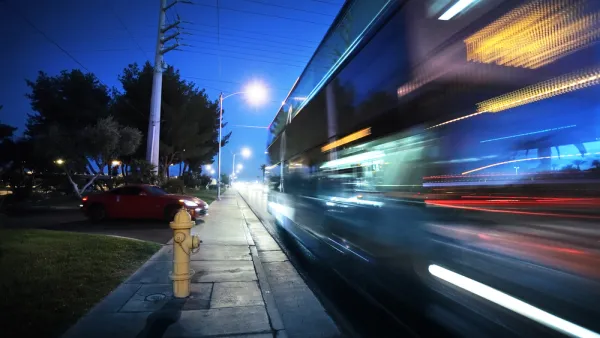
- Pedestrian fatalities occurred overwhelmingly after dark (76 percent), when many pedestrians had some alcohol in their systems (38 percent), and were not at intersections (74 percent; i.e., crossing in the middle of a street or road).
- Pedalcyclist fatalities often occurred after dark (50 percent of the time), with some alcohol in their systems (26 percent), and outside of intersections (60 percent).
The press release also insists the federal government is taking action to address rising fatalities for pedestrians and people on bikes, as listed in the release:
- NHTSA is examining current and planned research related to these vulnerable road users, including recently announced plans for upgrades to the New Car Assessment Program – the 5-Star Ratings system for new vehicles. As part of these NCAP upgrades, NHTSA will consider new technologies tied to the safety of pedestrians and bicyclists, among other vulnerable road users.
- The Federal Highway Administration is working to reduce fatalities with the Bicycle and Pedestrian Program, which promotes safe, comfortable, and convenient walking and bicycling for people of all ages and abilities.
- FHWA also is focused on pedestrian and bicycle transportation through funding, policy guidance, program management, and resource development, and the availability of an FHWA Bicycle and Pedestrian Coordinator point of contact in each of its division offices.
FULL STORY: U.S. Transportation Secretary Elaine L. Chao Announces Further Decreases in Roadway Fatalities

Latest Traffic Safety Data Adds Grim Death Count to an Already Tragic Year
The public health epidemic created by dangerous roads, dangerous cars, and dangerous drivers was exacerbated by the COVID-19 pandemic, according to recent data from the National Highway Traffic Safety Administration.

U.S. DOT Releases First-Ever Pedestrian Safety Plan
Record numbers of pedestrians have been killed by drivers in recent years. The federal government says a "team effort" will be necessary to stop the carnage.

Traffic Fatalities Decline for a Third-Straight Year 2019, According to New Data
The National Highway Traffic Safety Administration's Fatality Analysis Reporting System released its preliminary estimates this week.

The state-sanctioned urbicide of Austin
People don’t kill cities. Freeways do.

US to reduce Colorado River water deliveries to Mexico
A new Colorado Treaty amendment reduces Mexico’s Colorado River water allocation by 250,000 acre feet.

New Jersey’s second-largest city bans standalone data centers
Jersey City will continue to allow co-location facilities, such as those meant for research institutions that store their own data.

Amtrak not solely to blame for New Jersey commuter rail's unreliability, report finds
A new study from the Garden State Initiative found that NJ Transit’s budget grew 20% across a 4 year period, but reliability declined significantly over the same period.

EPA erases limits on planet-warming pollution from power plants
Under Monday’s plan, power plants would still have some limits on how much mercury, arsenic and other contaminants they can emit.

Phoenix announces new on-demand transit service, more frequent RAPID buses
Both new services will launch in October, and are part of Phoenix's Project Effective Access Solutions for Easing Congestion.

FREE Course: Walkable City 1: Why Walkability?
After describing his path towards focusing on walkability as the essence of good planning, Jeff Speck marches through his five principal reasons for making more walkable places.
Reinventing Malls: Planning Alchemy—Turning Gray Fields Into Gold
The course focuses on the opportunities and imperatives that shape reinvention of mall sites.

Eagle County Government
Harvard University Graduate School of Design
Nashville Planning Department
The Architects Foundation
University of Cincinnati Online
The Pocatello Development Authority
The Urban Renewal Agency of the City of Pocatello
Journal of the American Planning Association