The Sacramento City Council could ensure that more students arrive at school every day, as future lifelong transit riders, by offering free public transit.


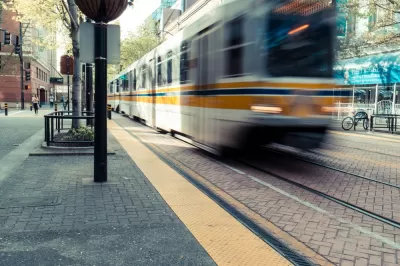
Sacramento school officials say far too many students are "chronically absent" from school, and the primary cause of those absences are a lack of transportation.
In response, the city is considering a proposal that would "let all children in kindergarten through 12th grade who live or go to school in Sacramento ride public transit — buses and light rail — for free," according to an article by Theresa Clift.
"Sacramento Regional Transit estimates the program would increase ridership to 40,000 students in its first year, a 600 percent increase from today, Schenirer said. The councilman hopes many children who take the free transit would continue on as transit riders as adults, which helps reduce greenhouse gases," writes Clift.
City Councilmember Jay Schenirer is asking the city of Sacramento to pend $1 million of its fiscal year 2019-20 budget to fund the first year of the program.
Read the full story: Sacramento kids may soon be able to ride public transit for free

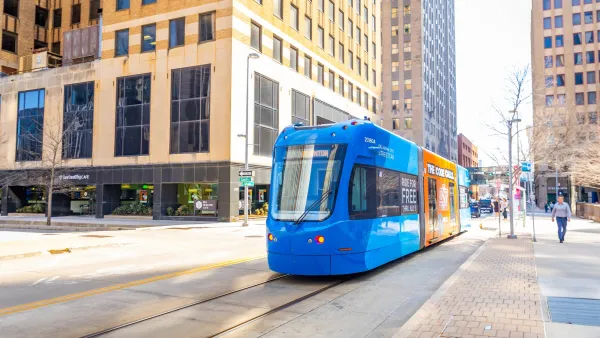
OKC streetcar will stay fare-free after ridership shot up 74%
The downtown streetcar saw a surge in ridership after it eliminated fares in January.
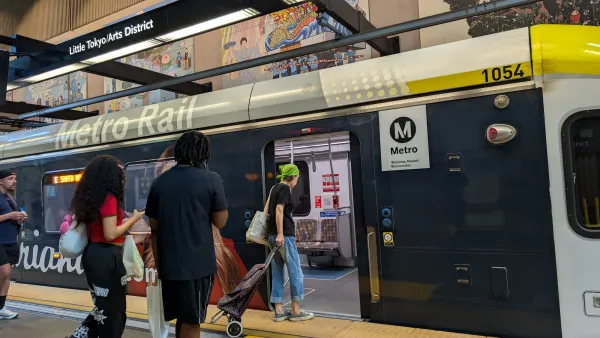
LA mayor wants to make transit fare-free
Los Angeles Mayor Karen Bass says she wants to develop a long-term strategy to make Metro free during her term as chair of the Metro board of directors.
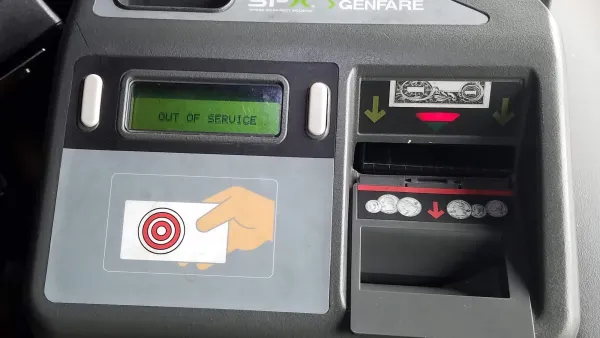
Fisticuffs: The argument FOR fare-free transit
When the barrier to entry drops to zero, magic can happen.

Planetizen Federal Action Tracker
A weekly monitor of how Trump’s orders and actions are impacting planners and planning in America.

The state-sanctioned urbicide of Austin
People don’t kill cities. Freeways do.

US to reduce Colorado River water deliveries to Mexico
A new Colorado Treaty amendment reduces Mexico’s Colorado River water allocation by 250,000 acre feet.

Nation's most wind-powered state turns to coal as data centers increase energy demand
For the first time in decades, Iowa has increased its generation of coal power.
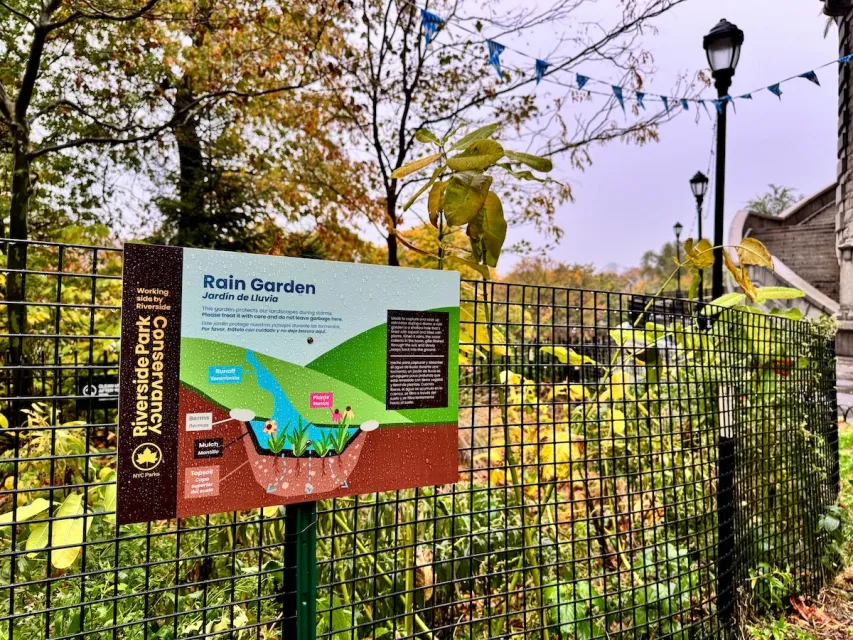
NYC cools commuters with city's first rain garden above a bus stop
New York City officials say the plants in the rain garden can absorb 16 gallons of rainwater during heavy storms.

Brightline West’s future may rely on $6 billion federal loan
The company has until Nov. 2 to make a $400 million equity investment into its proposed high-speed rail line.

FREE Course: Walkable City 1: Why Walkability?
After describing his path towards focusing on walkability as the essence of good planning, Jeff Speck marches through his five principal reasons for making more walkable places.
Reinventing Malls: Planning Alchemy—Turning Gray Fields Into Gold
The course focuses on the opportunities and imperatives that shape reinvention of mall sites.

Greater Baltimore Committee
Eagle County Government
Harvard University Graduate School of Design
The Architects Foundation
University of Cincinnati Online
The Pocatello Development Authority
The Urban Renewal Agency of the City of Pocatello
Journal of the American Planning Association