New research outlines how to make public transportation a better option for suburban commuters.


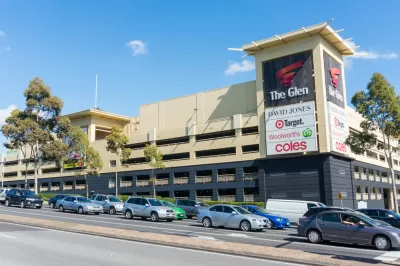
Two tweaks can make transit more competitive in suburban areas, according to new research: park-and-ride lots and dedicated highway lanes.
For Streetsblog USA, Angie Schmitt reports on a study from the University of Minnesota's Accessibility Lab that measured access to jobs by car versus by public transit in the Twin Cities. It found that relatively small additions to the system—park-and-ride and dedicated lanes—could substantially improve transit's performance.
Park-and-ride lots improved residents' access to transit threefold, according to the study, while dedicated lanes lead to speedier commutes. "The combination of those elements increases the relative number of jobs available within an hour trip by transit about 19 percent compared to driving," Schmitt reports.
Three highways in the Twin Cities currently utilize dedicated lanes during rush hour, Schmitt reports. Implementing dedicated lanes across the region could "increase the number of jobs available to the average suburban resident who lives within a half-mile of a Park-and-Ride station by 13 percent."
Read the full story: How to Make Transit More Competitive in the Suburbs

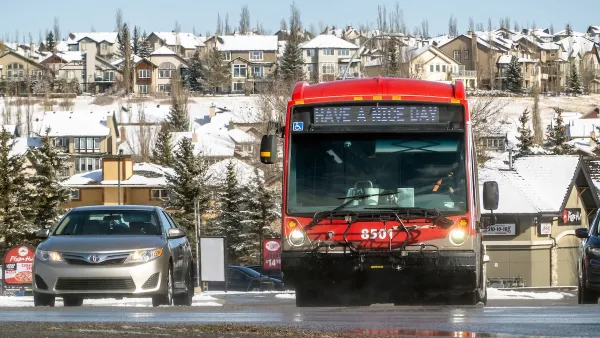
For Better Public Transit, We Need Better Stories
Public transportation provides many often-overlooked benefits. We can do better at communicating the value of transit investments. We have good stories to tell.
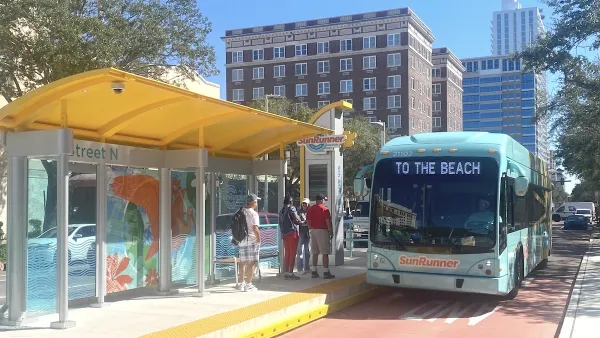
Florida Law Could Eliminate Dedicated Bus Lanes
A new law calls for a minimum ridership of 6,000 passengers in the first year for new bus rapid transit lines. To date, no bus lines in the Tampa Bay region come close.
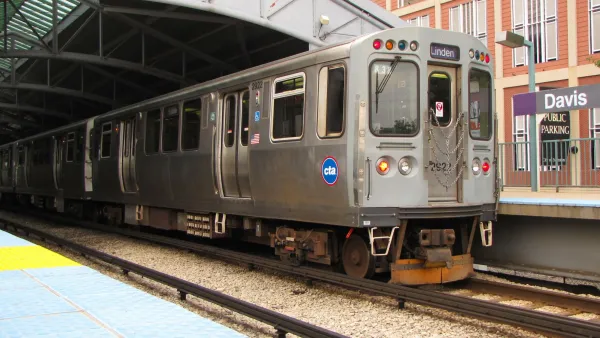
Chicago Transit Recovery Trails Behind Other Major US Cities
Sluggish ridership rates and staffing shortages are dampening recovery. Looming budget gaps could make things even worse.

Planetizen Federal Action Tracker
A weekly monitor of how Trump’s orders and actions are impacting planners and planning in America.

The state-sanctioned urbicide of Austin
People don’t kill cities. Freeways do.

US to reduce Colorado River water deliveries to Mexico
A new Colorado Treaty amendment reduces Mexico’s Colorado River water allocation by 250,000 acre feet.

Nation's most wind-powered state turns to coal as data centers increase energy demand
For the first time in decades, Iowa has increased its generation of coal power.

NYC cools commuters with city's first rain garden above a bus stop
New York City officials say the plants in the rain garden can absorb 16 gallons of rainwater during heavy storms.

Brightline West’s future may rely on $6 billion federal loan
The company has until Nov. 2 to make a $400 million equity investment into its proposed high-speed rail line.

FREE Course: Walkable City 1: Why Walkability?
After describing his path towards focusing on walkability as the essence of good planning, Jeff Speck marches through his five principal reasons for making more walkable places.
Reinventing Malls: Planning Alchemy—Turning Gray Fields Into Gold
The course focuses on the opportunities and imperatives that shape reinvention of mall sites.

Greater Baltimore Committee
Eagle County Government
Harvard University Graduate School of Design
The Architects Foundation
University of Cincinnati Online
The Pocatello Development Authority
The Urban Renewal Agency of the City of Pocatello
Journal of the American Planning Association