Experts are calling a recent study published by researchers from the U.S. Environmental Protection Agency the most thorough examination yet of the potential impacts of climate change on the U.S. economy.


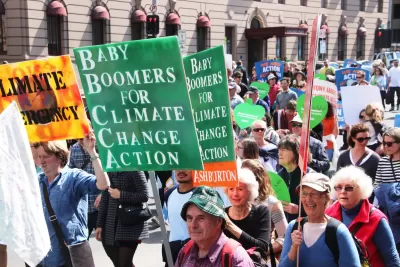
Julia Rosen reports: "By the end of the century, the manifold consequences of unchecked climate change will cost the U.S. hundreds of billions of dollars per year, according to a new study by scientists at the Environmental Protection Agency."
"Those costs will come in multiple forms, including water shortages, crippled infrastructure and polluted air that shortens lives, according to the study in Monday’s edition of Nature Climate Change. No part of the country will be untouched, the EPA researchers warned, adds Rosen."
There's some good news included in the article: there's still chance for emissions reductions to reduce some of the most harmful effects of climate change.
Read the full story: From ruined bridges to dirty air, EPA scientists price out the cost of climate change
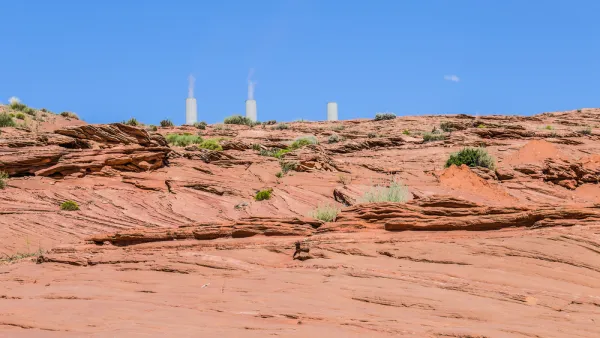
The Inflation Reduction Act's Secret Climate Weapon
While the impact on inflation of the questionably-titled Inflation Reduction Act remains to be seen, the law will mitigate the damage done by a landmark Supreme Court case in June that gutted the EPA's authority to regulate greenhouse gas emissions.
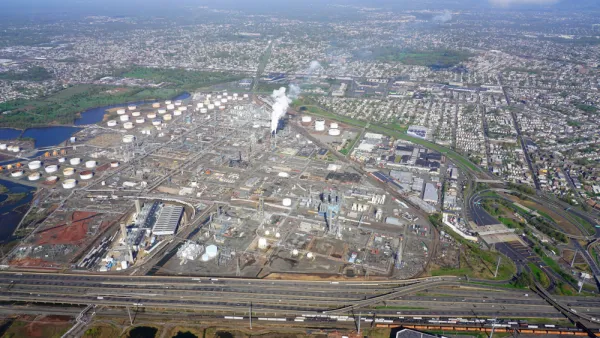
Supreme Court Guts the U.S. EPA’s Ability to Limit Carbon Emissions
The consequences of this ruling have long been foretold. With the U.S. Environmental Protection Agency now officially barred from the fight against climate change, Congress will have to act to reduce carbon emissions.
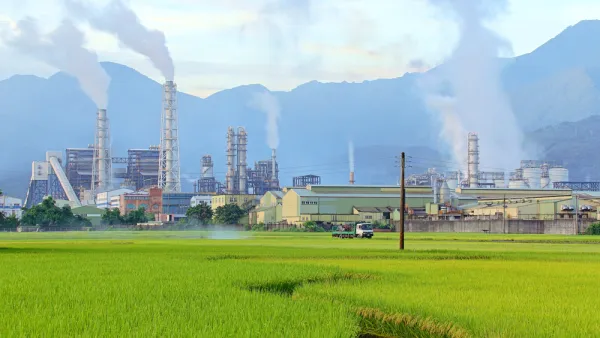
Supreme Court To Hear Challenge to EPA Powers
The Court's decision could limit the agency's authority to regulate carbon emissions in the power sector.

Planetizen Federal Action Tracker
A weekly monitor of how Trump’s orders and actions are impacting planners and planning in America.

California plans to bury El Niño’s downpour
If the state plays its cards right, it may be able to store a billion acre-feet of El Niño’s water in aquifers.

Desperate measures: Advocates weigh draining Lake Powell to fill Colorado River
Draining the reservoir could reduce evaporation losses by a couple hundred thousand acre-feet.

Post election, Texas is no longer Musk’s 'AI oasis'
Elon Musk dolled out $446 million on the 2026 midterms, the most ever spent by a non-canidate.

Chicago voters approve permanent festival grounds, penalty for vacant property owners
Currently, major summer and fall festivals take over public parks for weeks at a time, drawing criticism from nearby residents

NYC votes to cut outdoor dining red tape, speed up permitting
New York City also voted to allow the Department of Transportation to begin work on urgent projects before notifying elected officials.

FREE Course: Walkable City 1: Why Walkability?
After describing his path towards focusing on walkability as the essence of good planning, Jeff Speck marches through his five principal reasons for making more walkable places.
Reinventing Malls: Planning Alchemy—Turning Gray Fields Into Gold
The course focuses on the opportunities and imperatives that shape reinvention of mall sites.

City of Rosemead
Rutgers University, Edward J. Bloustein School of Planning and Public Policy
One Hundred Miles
Hunter College, City University of New York (CUNY)
The Architects Foundation
University of Cincinnati Online
City of Cambridge
Montrose County
The Pocatello Development Authority