An investigation into Philadelphia's street cleaning program reveals a parking ticket program that doesn't benefit the city as much as it benefits the Philadelphia Parking Authority.


Aaron Moselle and Ryan Briggs shares the findings of an investigation by WHYY and PlanPhilly reporters into street cleaning practices in Philadelphia—namely, the city's willingness to write tickets for cars parking during sweeping hours while failing to actually sweep the streets.
"Over the course of one week in December 2018, the reporters did not observe any street sweepers on any of the posted routes before, during, and after the posted 'no parking' hours," according to Moselle and Briggs. "But even if sweepers don’t show up consistently, The Philadelphia Parking Authority’s agents do."
"Between 2007 and 2017, the state parking enforcement agency issued over 148,000 tickets to drivers for failing to move their cars on days designated for street sweeping, according to [Philadelphia Parking Authority] records."
The article digs into a lot more detail about the details of the city's very limited street cleaning program. None of the details reported in the article will make anyone who has received a street cleaning ticket in Philadelphia feel any better.
Read the full story: PPA makes millions ticketing drivers for blocking street sweepers that rarely show

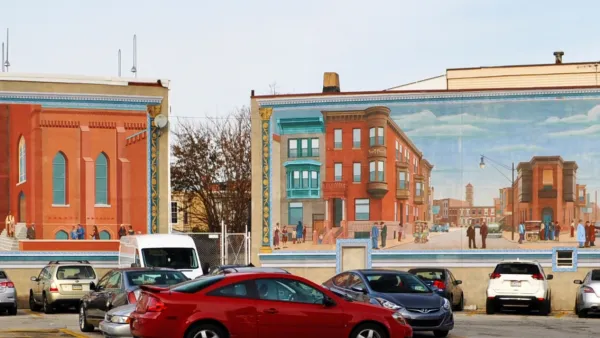
Philadelphia's downtown parking lots are a 'valuable, untapped resource'
Over two dozen city-owned parking lots could be developed into housing or other uses.
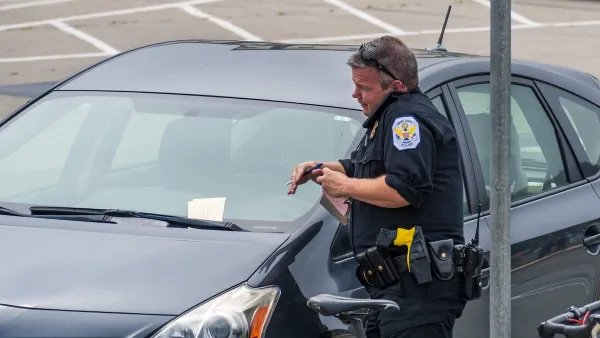
For a Few Hours, This Site Put San Francisco Drivers a Step Ahead of Parking Officers
A web developer used city parking enforcement data to map the routes of parking enforcement officers.
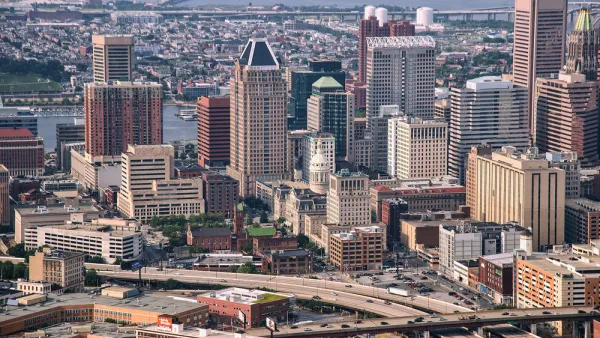
Parking Ticket Revenue: Which Cities Earn Most?
A list of 15 cities with the highest per-capita parking enforcement revenue.

Planetizen Federal Action Tracker
A weekly monitor of how Trump’s orders and actions are impacting planners and planning in America.

The state-sanctioned urbicide of Austin
People don’t kill cities. Freeways do.

US to reduce Colorado River water deliveries to Mexico
A new Colorado Treaty amendment reduces Mexico’s Colorado River water allocation by 250,000 acre feet.

Nation's most wind-powered state turns to coal as data centers increase energy demand
For the first time in decades, Iowa has increased its generation of coal power.

NYC cools commuters with city's first rain garden above a bus stop
New York City officials say the plants in the rain garden can absorb 16 gallons of rainwater during heavy storms.

Brightline West’s future may rely on $6 billion federal loan
The company has until Nov. 2 to make a $400 million equity investment into its proposed high-speed rail line.

FREE Course: Walkable City 1: Why Walkability?
After describing his path towards focusing on walkability as the essence of good planning, Jeff Speck marches through his five principal reasons for making more walkable places.
Reinventing Malls: Planning Alchemy—Turning Gray Fields Into Gold
The course focuses on the opportunities and imperatives that shape reinvention of mall sites.

Eagle County Government
Harvard University Graduate School of Design
Nashville Planning Department
The Architects Foundation
University of Cincinnati Online
The Pocatello Development Authority
The Urban Renewal Agency of the City of Pocatello
Journal of the American Planning Association