Rather than simply being punitive, the Dutch rail carrier is trying to find cost effective ways to collect fares and make riders feel welcome.


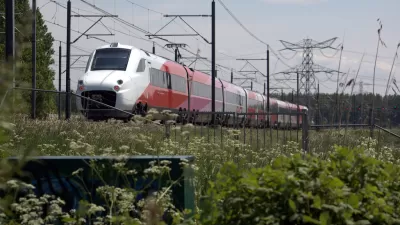
The Dutch are trying a suite of different strategies to cut fare evasions without hefty fees or confrontations. "The Netherlands’ national rail carrier Nederlandse Spoorwegen (NS) has succeeded in reducing fare dodging and accompanying violence through a new approach: not by increasing inspections or ticket enforcement, but by simply barring any access at all to many stations for anyone without a ticket," Feargus O'Sullivan reports for CityLab. Some cities have replaced outright fines with fees that include a ten-ride pack and an informational brochure.
"In general, fare dodging is infuriating for both transit authorities and the majority of riders who do pay for their tickets, but is not necessarily a huge drain on Northern Europe’s public transit systems," O'Sullivan contends, arguing that strenuous ticket enforcement measures like those used in London recoup less money than they cost. This gentler approach also seems to be curbing violent confrontations, which are down by more than 25% across the country.
Read the full story: How Dutch Transit Agencies Fend Off Fare Evaders

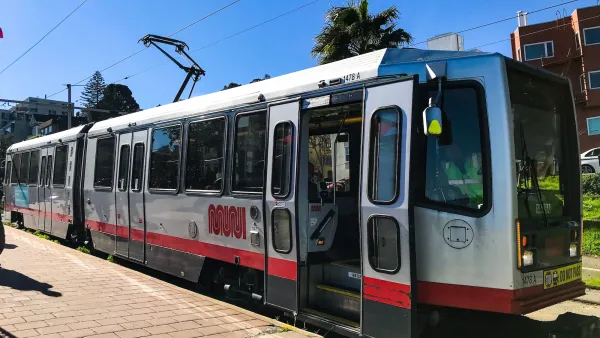
San Francisco cyclists push to allow bikes on Muni trains
The agency is one of few that bans bikes from its trains due to space constraints.
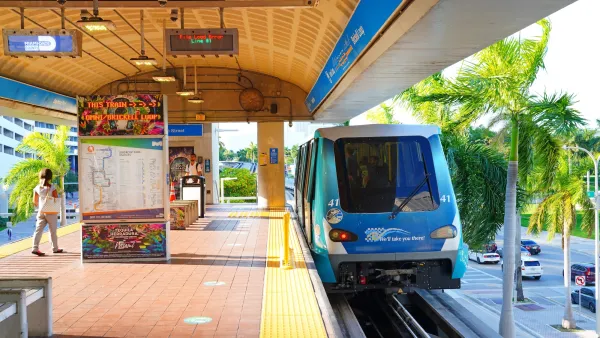
Miami-Dade budget proposes draining rail fund, bus service cuts
The county mayor says the diversion of rail funds is necessary to prevent deeper service cuts.
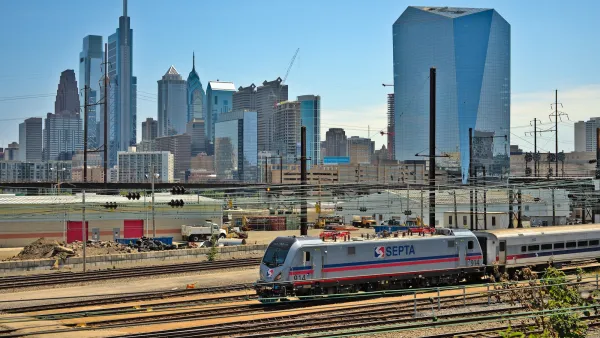
Extreme heat forces Amtrak, SEPTA to slow trains
High temperatures affect train tracks, electrical equipment and other key infrastructure.

Planetizen Federal Action Tracker
A weekly monitor of how Trump’s orders and actions are impacting planners and planning in America.

The state-sanctioned urbicide of Austin
People don’t kill cities. Freeways do.

US to reduce Colorado River water deliveries to Mexico
A new Colorado Treaty amendment reduces Mexico’s Colorado River water allocation by 250,000 acre feet.

Brightline West’s future may rely on $6 billion federal loan
The company has until Nov. 2 to make a $400 million equity investment into its proposed high-speed rail line.

LA Metro’s ultimatum: no extra buses for LA28 if federal funding isn’t imminently secured
If Metro does not provide additional buses, LA28 organizers will have to find a new way to manage Olympic traffic. LA28’s budget does not include a line item for transit.

Colorado’s Largest Data Center Could Rise Next to Homes — Without a Public Hearing
The proposed campus would consume 11 times the power of Denver International Airport; as it has across the country, opposition mounts.

FREE Course: Walkable City 1: Why Walkability?
After describing his path towards focusing on walkability as the essence of good planning, Jeff Speck marches through his five principal reasons for making more walkable places.
Reinventing Malls: Planning Alchemy—Turning Gray Fields Into Gold
The course focuses on the opportunities and imperatives that shape reinvention of mall sites.

Eagle County Government
Harvard University Graduate School of Design
Nashville Planning Department
The Architects Foundation
University of Cincinnati Online
The Pocatello Development Authority
The Urban Renewal Agency of the City of Pocatello
Journal of the American Planning Association