The available funding could shift transportation priorities in Southern California’s San Gabriel Valley. But transportation leaders appear to be leaning toward more of the same.


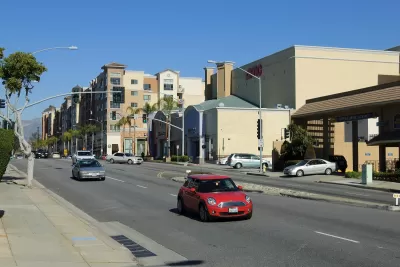
The decision to kill plans to close the Interstate 710 gap left $400 million on the table to fund other transportation projects. With a steady stream of dire warnings about climate change, Carter Rubin says this is a major opportunity to change the course of the San Gabriel Valley's environmental future. The cities that would have been affected by the 710 project are located there, and these communities still face threats from the effects of pollution and greenhouse gas emissions.
Rubin wants to see the Los Angeles County Metropolitan Transportation Authority make investments in sustainable transportation, but he says Metro's board of directors is not heading in that direction. Instead, it is considering a package of road projects, including plans to widen a number of roads, despite the fact that cities in the San Gabriel Valley asked for funding for public transit improvements.
He says these projects were developed with little input from these communities. "It’s time for Metro Directors to send this back to the drawing board, generate a true public process centered in the values of community health, equity and sustainability, and produce a list of projects that reduce vehicle emissions, improve mobility for those who need it most, and ensure the residents of the San Gabriel Valley can finally breathe clean air," urges Rubin.
FULL STORY: Metro’s $400 Million Roads Plan Is an Act of Climate Change Denial

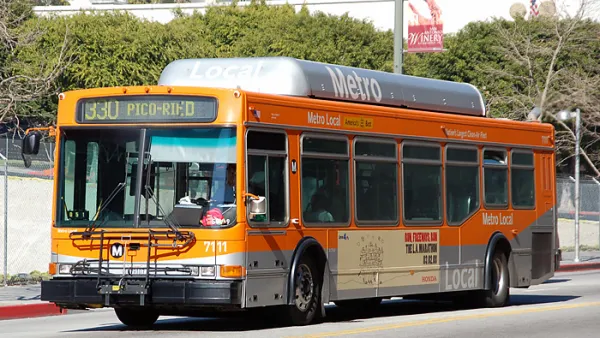
Opinion: Transit Needs to Be Better, Not Cheaper
With many U.S. transit agencies facing severe gaps in service and budget shortfalls, some advocates argue that improved service matters more than free fares.
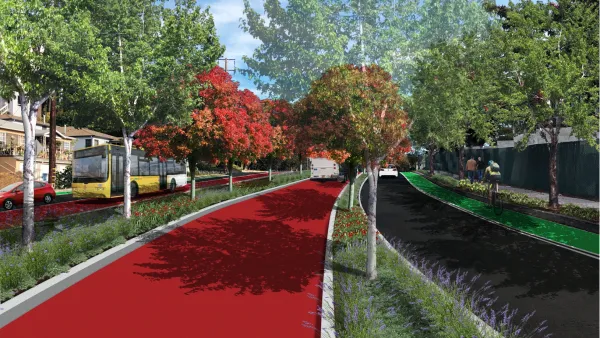
Controversial BRT Plans Revised in Los Angeles
The proposed changes to plans for a bus rapid transit route on Colorado Boulevard are an attempt to compromise between competing community concerns.
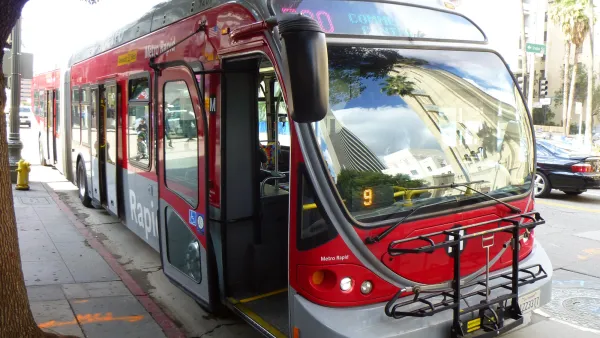
L.A. Metro Will Pilot Free Fares for Most Riders
The Los Angeles County Metropolitan Transportation Authority will let low-income residents and K-12 students ride for free starting in January 2022.

Planetizen Federal Action Tracker
A weekly monitor of how Trump’s orders and actions are impacting planners and planning in America.

The state-sanctioned urbicide of Austin
People don’t kill cities. Freeways do.

US to reduce Colorado River water deliveries to Mexico
A new Colorado Treaty amendment reduces Mexico’s Colorado River water allocation by 250,000 acre feet.

LA Metro’s ultimatum: no extra buses for LA28 if federal funding isn’t imminently secured
If Metro does not provide additional buses, LA28 organizers will have to find a new way to manage Olympic traffic. LA28’s budget does not include a line item for transit.

Colorado’s Largest Data Center Could Rise Next to Homes — Without a Public Hearing
The proposed campus would consume 11 times the power of Denver International Airport; as it has across the country, opposition mounts.

5 New England states march closer to 800 megawatt wind energy project
Securing federal approval for the project may be complicated under the Trump administration, which has historically been hostile towards domestic wind power.

FREE Course: Walkable City 1: Why Walkability?
After describing his path towards focusing on walkability as the essence of good planning, Jeff Speck marches through his five principal reasons for making more walkable places.
Reinventing Malls: Planning Alchemy—Turning Gray Fields Into Gold
The course focuses on the opportunities and imperatives that shape reinvention of mall sites.


Eagle County Government
Harvard University Graduate School of Design
Nashville Planning Department
The Architects Foundation
University of Cincinnati Online
The Pocatello Development Authority
The Urban Renewal Agency of the City of Pocatello
Journal of the American Planning Association