The Save Safe Seconds program is testing the beleaguered subway system's signal timers.


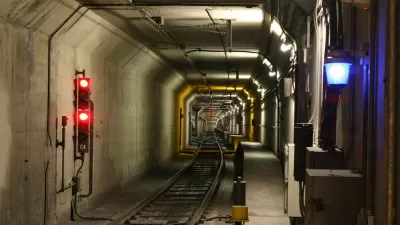
Dan Rivoli reports on the New York MTA’s Save Safe Seconds program, which aims to speed up subway service by testing and discovering signals that slow trains down in the city's subway system.
"The MTA has tested signals on about 90% of the subway system since September," discovering 91 malfunctioning signal timers.
Once the Save Safe Seconds program has completed its testing, "[t]ransit officials plan a program to fix malfunctioning signals. They’ll start on the 1 and Q lines. Then they’ll move on to the D, N and R lines in Brooklyn’s Fourth Ave. line. They also plan to fix signals on the J, M and Z lines on the Williamsburg Bridge and east of Essex St. so they’ll be in shape before the L train shutdown in April."
The article includes more details on the process MTA is using to test the signals, the effect of malfunctioning signals on system performance, and the effect of repaired signals on train speeds.
Read the full story: MTA tests subway signals, plans fixes to get trains moving faster

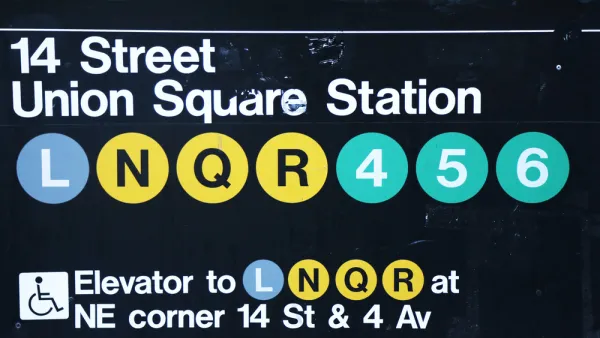
New York's L Train Will Be Closed for 18 Months
The New York MTA has chosen the "remove-the-band-aid-quickly" strategy for its plans to repair the L Train line from Brooklyn to Manhattan.
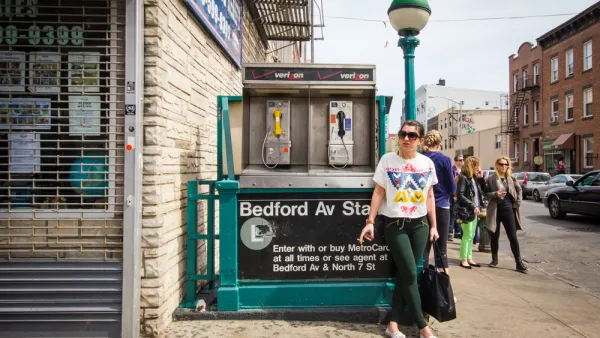
New Yorkers Bracing for L Train Closures
Two alternatives for repairs on the New York subway's L Train line will have severe consequences for 225,000 riders who cross the East River daily.
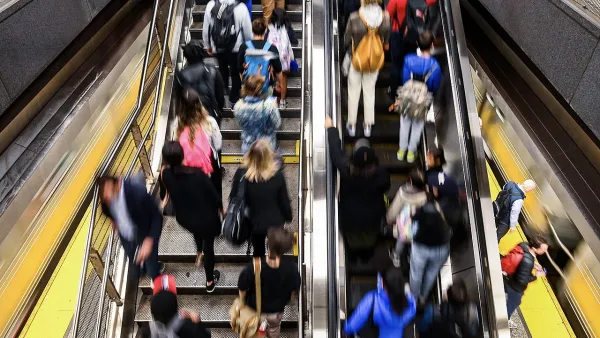
MTA Poised to Break Ridership, On-Time Service Records
New York City’s transit system saw strong increases in ridership and improvements in service quality in the first half of 2025.

Amtrak, CN end decades-long dispute with eight-year agreement
The new operating agreement establishes an updated framework for the companies to work together, including processes to resolve disputes.

Northwest rail fans eager for Sept. 30 debut of Amtrak’s Airo fleet
Get ready for that new train smell and more seats. But they won’t go faster or run more frequently on the Cascades route in Washington and Oregon.

Judges permit Denver to divert 77,000 acre feet from the Colorado River for reservoir expansion
Overuse and climate change have caused the Colorado River’s water levels to plummet.

NYC to turn city-owned property into thousands of homes
The city has scheduled a public hearing regarding the development for October.

Buses travel at 5mph along this route in NYC. The Bronx's first-ever busway looks to change that
Prior to the busway, buses on the Bx36 route traveled as slowly as 5 miles per hour.

Pittsburg launches 'EZ permits,' aims for one-day turnaround for low-risk permits
The pilot ‘fast lane’ for permits is part of a bundle of modernization efforts for Pittsburg’s permitting process.

FREE Course: Walkable City 1: Why Walkability?
After describing his path towards focusing on walkability as the essence of good planning, Jeff Speck marches through his five principal reasons for making more walkable places.
Reinventing Malls: Planning Alchemy—Turning Gray Fields Into Gold
The course focuses on the opportunities and imperatives that shape reinvention of mall sites.

City of Thousand Oaks
City of Wisconsin Rapids
Harvard University Graduate School of Design
The Architects Foundation
University of Cincinnati Online
The Pocatello Development Authority
The Urban Renewal Agency of the City of Pocatello