The agency is facing a multitude of funding, management, and organizational challenges.


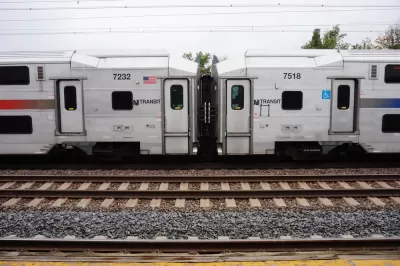
Governor Phil Murphy recently released an audit of New Jersey Transit, the state's beleaguered transit system. Patrick McGeehan reports on five major issues discussed in the report, along with recommendations for improvement.
"From one annual state budget to the next, New Jersey Transit leaders never knew where they would get enough money to run their existing service, much less make investments for the future," says McGeehan. The audit recommended creating an office to develop the agency's vision and a plan to oversee its resources.
The agency has also had trouble hiring and retaining employees, particularly engineers. The audit recommended updating and improving the hiring process.
Maintaining equipment has also been a problem, says McGeehan. The report suggested revamping the system for managing inventory and purchasing equipment.
The audit also noted that New Jersey Transit does not effectively communicate with its customers about delays and other system problems. Information is often inconsistent and not disseminated to all the staff. "The consultants suggested that the agency use social media to try to turn around negative impressions of its performance," says McGeehan.
The agency's financial situation was another concern. The audit suggested ways to increase revenue without fare increases. "Among the ideas the report discussed were finding new sources of revenue, such as the development of real estate around New Jersey Transit train stations and other properties; selling more advertising around its stations; and proposing taxes or fees on ride-hailing apps, like Uber, that could generate funds for transit," reports McGeehan.
FULL STORY: 5 Ways N.J. Transit Is Failing Commuters

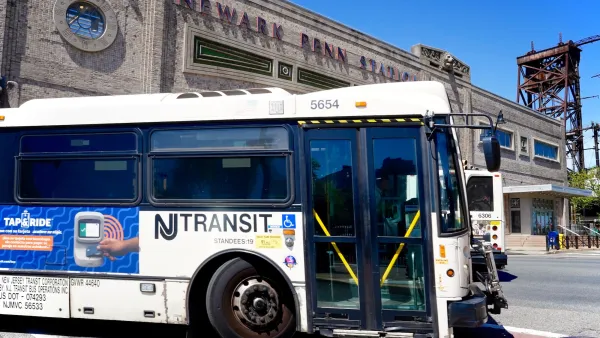
Facing Federal Funding Freeze, NJ Transit Revises Zero-emission Plan
The agency is retooling a plan to modernize its aging bus depots after the Trump administration decided to freeze nearly $324 million in grants.
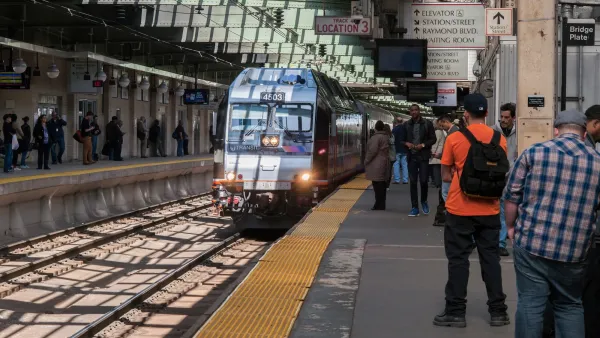
NJ Transit to Cut Service by Half for 4 Weeks for Gateway Project Work
Service between New Jersey and New York will be cut by 50 percent as the agency switches rail operations to another track.
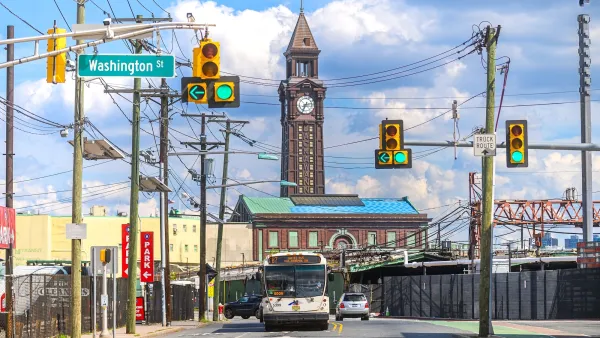
New Jersey has a Plan to buy Transit with LAND. Will it Actually Work?
I have questions.

Planetizen Federal Action Tracker
A weekly monitor of how Trump’s orders and actions are impacting planners and planning in America.

The state-sanctioned urbicide of Austin
People don’t kill cities. Freeways do.

US to reduce Colorado River water deliveries to Mexico
A new Colorado Treaty amendment reduces Mexico’s Colorado River water allocation by 250,000 acre feet.

5 New England states march closer to 800 megawatt wind energy project
Securing federal approval for the project may be complicated under the Trump administration, which has historically been hostile towards domestic wind power.

Baltimore to break ground on $50 million Transit Priority Project
The project will bring faster bus trips, safer streets and better bike connections to Baltimore.

Airbnb launches $250 million 'last-dollar financing' housing accelerator, makes first investment in Austin
The company will put $6.4 million towards affordable housing development in Texas’ capital.

FREE Course: Walkable City 1: Why Walkability?
After describing his path towards focusing on walkability as the essence of good planning, Jeff Speck marches through his five principal reasons for making more walkable places.
Reinventing Malls: Planning Alchemy—Turning Gray Fields Into Gold
The course focuses on the opportunities and imperatives that shape reinvention of mall sites.

Eagle County Government
Harvard University Graduate School of Design
Nashville Planning Department
The Architects Foundation
University of Cincinnati Online
The Pocatello Development Authority
The Urban Renewal Agency of the City of Pocatello
Journal of the American Planning Association