Extreme heat, rising seas, and other impacts of climate change are turning deadly faster than predicted, California officials warn.


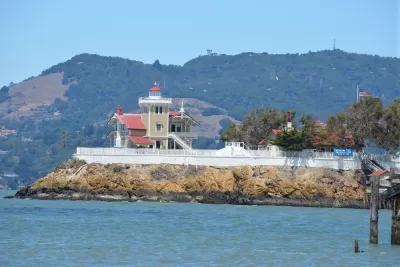
In recent months, officials have attributed the spate of destructive fires plaguing California to climate change. Now, the state’s latest Climate Assessment confirms that the impacts of greenhouse gas emissions on weather, water, and public health are appearing earlier than anticipated.
By 2050, the new assessment warns, rising temperatures due to emissions could cause up to 11,300 more deaths annually. “Heat-health events”—heat waves that are not deadly but still pose health risks to much of the population—are likely to become a regular occurrence in the summer. These health impacts could cost the state up to $50 billion a year.
The ocean, too, is now expected to rise faster and higher than previously believed—up to 9 feet by midcentury. For the first time, the assessment provides localized projections of sea level rise, finding that coastal cities in San Diego and Orange Counties are most at risk.
Water supply and fire danger are among other urgent concerns identified in the report, which also offers guidance on local adaptation planning.


LA County Adopts First Heat Action Plan
LA County has adopted its first Heat Action Plan, a long-term, people-centered framework to reduce heat risks, protect public health, and adapt communities, homes, and public spaces to a hotter and more dangerous climate.

How Extreme Heat Impacts Children
As summers get hotter and more dangerous, parents can take steps to protect kids from heat-related illnesses.

Key Climate and Health Issues to Watch in 2025
The escalating health impacts of climate change, from extreme heat to sea level rise, highlight the urgent need for integrated medical education, proactive communication, and sustainable policy solutions to protect public health.

The state-sanctioned urbicide of Austin
People don’t kill cities. Freeways do.

US to reduce Colorado River water deliveries to Mexico
A new Colorado Treaty amendment reduces Mexico’s Colorado River water allocation by 250,000 acre feet.

New Jersey’s second-largest city bans standalone data centers
Jersey City will continue to allow co-location facilities, such as those meant for research institutions that store their own data.

Amtrak not solely to blame for New Jersey commuter rail's unreliability, report finds
A new study from the Garden State Initiative found that NJ Transit’s budget grew 20% across a 4 year period, but reliability declined significantly over the same period.

EPA erases limits on planet-warming pollution from power plants
Under Monday’s plan, power plants would still have some limits on how much mercury, arsenic and other contaminants they can emit.

Phoenix announces new on-demand transit service, more frequent RAPID buses
Both new services will launch in October, and are part of Phoenix's Project Effective Access Solutions for Easing Congestion.

FREE Course: Walkable City 1: Why Walkability?
After describing his path towards focusing on walkability as the essence of good planning, Jeff Speck marches through his five principal reasons for making more walkable places.
Reinventing Malls: Planning Alchemy—Turning Gray Fields Into Gold
The course focuses on the opportunities and imperatives that shape reinvention of mall sites.

Eagle County Government
Harvard University Graduate School of Design
Nashville Planning Department
The Architects Foundation
University of Cincinnati Online
The Pocatello Development Authority
The Urban Renewal Agency of the City of Pocatello
Journal of the American Planning Association