The pilot program is designed to reduce air pollution and increase access to transit and safe walking and biking infrastructure.


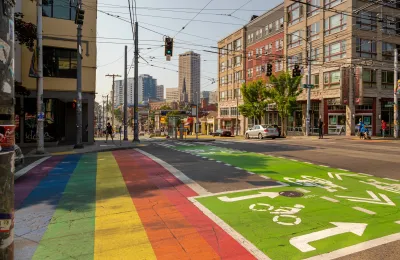
Seattle announced a “Low-Pollution Neighborhood (LPN)” pilot program that will bring infrastructure upgrades aimed at increasing walking, biking, and transit in four parts of the city .
As Ryan Packer explains in The Urbanist, the city is joining others like London and Barcelona in creating neighborhood-scale carbon reduction programs. “So far, details on what strategies could be implemented in LPNs have remained high level, ranging the gamut from electric vehicle charging infrastructure to curbside plazas and pedestrian streets.” The city will develop specific strategies this year, with the goal of implementing changes in 2028.
Examples of possible tools include pedestrianization similar to Barcelona’s superblocks, bike lanes, access to transit, and stormwater infrastructure, based on the needs of specific neighborhoods.
Read the full story: Seattle Advances Four Pilot 'Low-Pollution Neighborhoods'

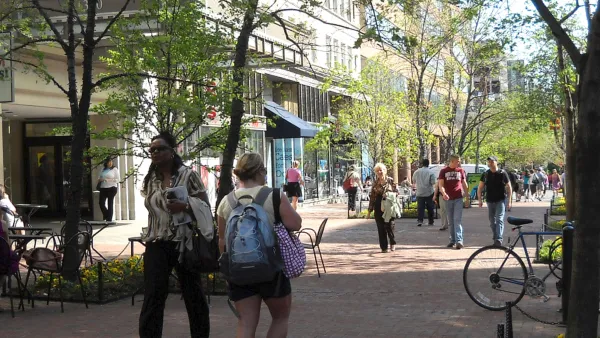
The Relationship Between Walkability and Public Health
New research indicates that improving public health requires targeted investments in more than just pedestrian facilities.
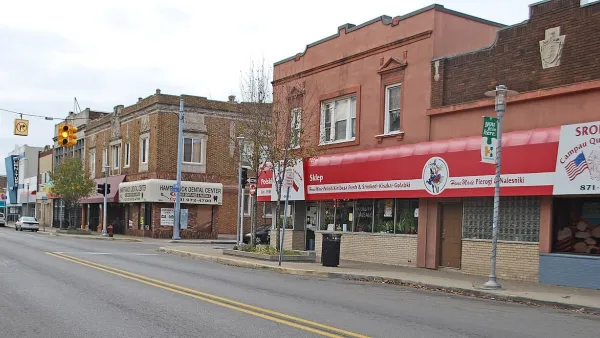
Research: Walkability Linked to Improved Public Health
A study reveals that the density of city blocks is a significant factor in communities’ walkability and, subsequently, improved public health outcomes for residents.
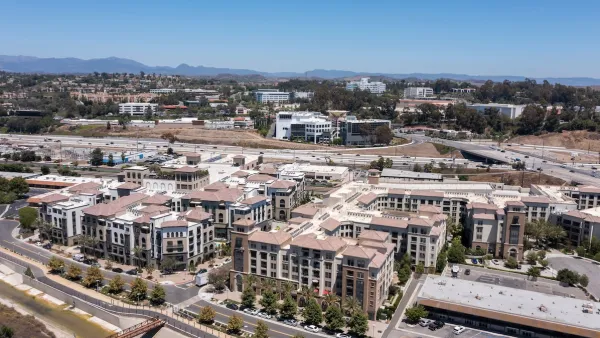
Balancing TOD and Public Health
Building housing near transportation networks can improve density and walkability, but can also have serious health consequences for residents.

Planetizen Federal Action Tracker
A weekly monitor of how Trump’s orders and actions are impacting planners and planning in America.

California plans to bury El Niño’s downpour
If the state plays its cards right, it may be able to store a billion acre-feet of El Niño’s water in aquifers.

Chicago breaks ground on $3 billion megadevelopment
The new neighborhood, titled Foundry Park, will one day host 3,700 residences.

Satanic Place Names
From streams and lakes to valleys and canyons, I mapped more than 1,000 places named after the Devil.

California High-Speed Rail Authority CEO resigns after $600,000 scandal
Under Ian Choudri, the authority used taxpayer dollars to fund first class flights and trips to nightclubs.

Want to study the Missouri River? Soon, you may need unanimous approval from 10 states
Legislation would require 10 governors’ permission to study or build projects moving water outside the basin.

FREE Course: Walkable City 1: Why Walkability?
After describing his path towards focusing on walkability as the essence of good planning, Jeff Speck marches through his five principal reasons for making more walkable places.
Reinventing Malls: Planning Alchemy—Turning Gray Fields Into Gold
The course focuses on the opportunities and imperatives that shape reinvention of mall sites.

City of Rosemead
Rutgers University, Edward J. Bloustein School of Planning and Public Policy
One Hundred Miles
Hunter College, City University of New York (CUNY)
The Architects Foundation
University of Cincinnati Online
City of Cambridge
Montrose County
The Pocatello Development Authority