Smaller homes on smaller lots, office to apartment conversions, and 40% less say for NIMBYs, vote state lawmakers.



Texas lawmakers passed several laws aimed at boosting the state’s housing supply, seeking to relieve the growing housing burden faced by many Texan households, reports Joshua Fechter in The Texas Tribune.
Among the laws that passed, Senate Bill 15 will let developers build smaller homes on smaller lots, barring cities from requiring minimum lot sizes larger than 3,000 square feet for new neighborhoods. “Another bill, Senate Bill 840 by state Sen. Bryan Hughes, R-Mineola, will allow apartments and mixed-use developments in more places. The legislation allows owners of lagging shopping malls, strip centers, offices and warehouses to reconfigure those properties to give people more places to live.” The bills both apply to cities of over 150,000 in counties of over 300,000 people.
Another key bill “gutted” a law known as the “tyrant’s veto,” which required a city council vote if 20 percent of neighboring landowners object to a rezoning request for housing projects. The law has been criticized as a Jim Crow-era tool to keep people deemed undesirable out of neighborhoods. A new law, House Bill 24, raises the threshold to 60 percent. “Property owners also could not use the law to block citywide zoning changes to allow more housing as they did in Austin.”
A bill aimed at criminalizing homelessness failed, while another that speeds up the eviction process passed, causing concern among advocates that more people will end up homeless.
FULL STORY: Texas lawmakers laid the foundation for a housing boom. Here’s how. (Texas smaller lots)

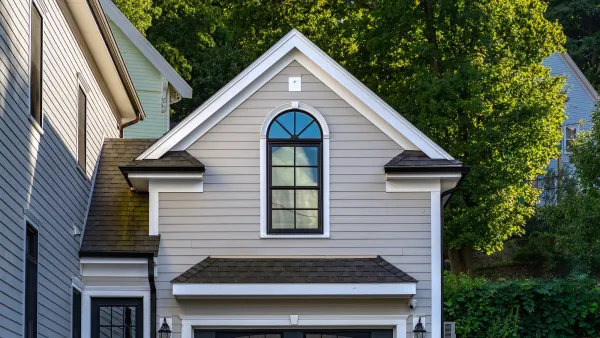
Massachusetts Zoning Reform Sparks ADU Surge
A 2024 law and a 2025 assistance program have spurred a flurry of ADU projects across the state.
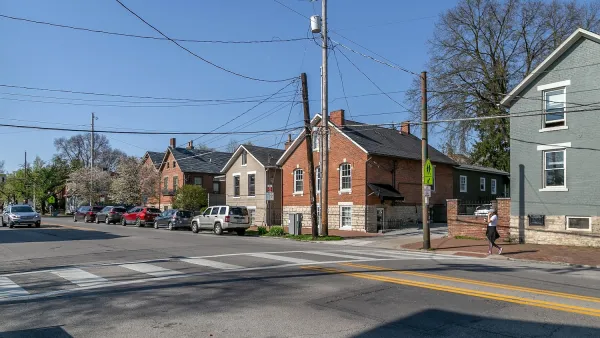
Columbus Introduces New Rules Allowing ADUs in all Residential Districts
The city’s recent zoning code updates include new rules for secondary housing units.

San Francisco Mayor’s ‘Family Zoning’ Plan Faces Pushback, Displacement Concerns
Newly proposed legislation aims to protect long-term tenants from displacement caused by Mayor Lurie’s proposed zoning reform plan, which would allow for more housing construction in parts of the city.

The state-sanctioned urbicide of Austin
People don’t kill cities. Freeways do.

US to reduce Colorado River water deliveries to Mexico
A new Colorado Treaty amendment reduces Mexico’s Colorado River water allocation by 250,000 acre feet.

New Jersey’s second-largest city bans standalone data centers
Jersey City will continue to allow co-location facilities, such as those meant for research institutions that store their own data.

Amtrak not solely to blame for New Jersey commuter rail's unreliability, report finds
A new study from the Garden State Initiative found that NJ Transit’s budget grew 20% across a 4 year period, but reliability declined significantly over the same period.

EPA erases limits on planet-warming pollution from power plants
Under Monday’s plan, power plants would still have some limits on how much mercury, arsenic and other contaminants they can emit.

Phoenix announces new on-demand transit service, more frequent RAPID buses
Both new services will launch in October, and are part of Phoenix's Project Effective Access Solutions for Easing Congestion.

FREE Course: Walkable City 1: Why Walkability?
After describing his path towards focusing on walkability as the essence of good planning, Jeff Speck marches through his five principal reasons for making more walkable places.
Reinventing Malls: Planning Alchemy—Turning Gray Fields Into Gold
The course focuses on the opportunities and imperatives that shape reinvention of mall sites.

Eagle County Government
Harvard University Graduate School of Design
Nashville Planning Department
The Architects Foundation
University of Cincinnati Online
The Pocatello Development Authority
The Urban Renewal Agency of the City of Pocatello
Journal of the American Planning Association