A focus on small businesses is helping a commercial corridor in Columbia, Missouri thrive.


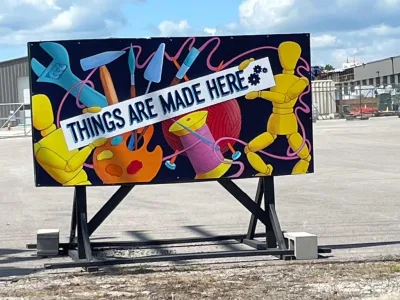
A commercial corridor along a state highway in Columbia, Missouri has become a model for revitalization after a targeted economic development effort that turned a nondescript strip into a community destination.
Ilana Preuss describes the project, known as The Loop, in a piece for Next City, profiling Carrie Gartner and the Loop Community Improvement District, which spearheaded the project. According to Preuss, the project area “wasn’t downtown. There was no place to hang out. Buildings were pushed back from the road. Traffic was full of trucks cutting through. Sidewalks, where they existed, were cracked and inconsistent.”
Gartner’s strategy focused on anchoring the area with small-scale manufacturing that would draw entrepreneurs without relying on foot traffic. “Second, she figured out how to attract people to the area – to spend time there rather than just driving through. She approached the local electricity co-op about its empty parking lot, organized donations of shipping containers and picnic tables, and brought together 200 volunteers to create a pop-up park.”
The CID also led a campaign to rezone the area to make it more accommodating for the types of businesses coming in. “ The Loop’s strategic focus on small-scale manufacturing businesses and their needs, and extensive conversations with local leaders, to the success of the rezoning campaign in 2021 that approved shared production spaces up to 15,000 square feet.”
Thanks to the focus on amenities that support the growth of small businesses, Preuss writes, The Loop is “becoming a place to stop in, get work done, a place where entrepreneurs from different parts of the city can learn and create together.”
FULL STORY: Turning a Neglected State Roadway Into an Economic Engine

6 Surprising Ways Communities Can Grow Their Businesses Amidst the Labor Shortage
While the labor shortage has affected businesses across the country, many communities have started taking steps to support area businesses and help them thrive.
How to Repurpose Vacant Storefronts
Loosening restrictions on clean light manufacturing can revive dormant storefronts and revitalize communities.

The Impact of Local Entrepreneurship on Neighborhood Revitalization
Explore how local entrepreneurship boosts neighborhood revitalization, driving economic growth, creating jobs, and enhancing community bonds. Learn about the supportive role urban planners play in fostering sustainable business ecosystems.

Planetizen Federal Action Tracker
A weekly monitor of how Trump’s orders and actions are impacting planners and planning in America.

The state-sanctioned urbicide of Austin
People don’t kill cities. Freeways do.

US to reduce Colorado River water deliveries to Mexico
A new Colorado Treaty amendment reduces Mexico’s Colorado River water allocation by 250,000 acre feet.

Amtrak not solely to blame for New Jersey commuter rail's unreliability, report finds
A new study from the Garden State initiative found that NJ Transit’s budget grew 20% across a 4 year period, but reliability declined significantly over the same period.

EPA erases limits on planet-warming pollution from power plants
Under Monday’s plan, power plants would still have some limits on how much mercury, arsenic and other contaminants they can emit.

Phoenix announces new on-demand transit service, more frequent RAPID buses
Both new services will launch in October, and are part of Phoenix's Project Effective Access Solutions for Easing Congestion.

FREE Course: Walkable City 1: Why Walkability?
After describing his path towards focusing on walkability as the essence of good planning, Jeff Speck marches through his five principal reasons for making more walkable places.
Reinventing Malls: Planning Alchemy—Turning Gray Fields Into Gold
The course focuses on the opportunities and imperatives that shape reinvention of mall sites.

Eagle County Government
Harvard University Graduate School of Design
Nashville Planning Department
The Architects Foundation
University of Cincinnati Online
The Pocatello Development Authority
The Urban Renewal Agency of the City of Pocatello
Journal of the American Planning Association