Explore how local entrepreneurship boosts neighborhood revitalization, driving economic growth, creating jobs, and enhancing community bonds. Learn about the supportive role urban planners play in fostering sustainable business ecosystems.



The first thing people notice when driving into a neighborhood is its businesses. After all, local entrepreneurs are the backbone of every proud and prosperous community. Here is a look at how entrepreneurship shapes neighborhoods, plus three popular areas revitalized by hometown merchants.
The positive impact of small businesses
Small businesses encourage economic growth and build loyal customer bases within their districts. Neighborhood revitalization is especially important for urban areas on a downward spiral. For instance, Baltimore experiences 1,605.5 violent crimes per 100,000 city residents annually.
Even a coffee shop owned and operated by a local entrepreneur can make a difference. Some of the benefits of these small businesses include:
- Employment: More small businesses create jobs for residents.
- Tax advantages: Sales tax revenue supports local schools, police and fire departments, and other essential services.
- Innovative products: Diverse and innovative products found nowhere else are readily available for purchase.
- Less infrastructure: Local businesses occupy existing infrastructure, preserving the neighborhood's history and lowering spending costs on new construction.
- Community participation: Small businesses help preserve a town’s culture by participating in local government decision-making and giving back to the community.
- Identity: Entrepreneurs create and maintain community identity, which influences tourism.
Entrepreneurs succeed by drawing from existing talent and partnering with other local entities. Business partnerships allow them to build a supplier network and solidify future growth opportunities. Economic and social outcomes are only possible with the residents behind revitalization efforts.
Building community: Three neighborhoods touched by local entrepreneurs
All communities thrive from local entrepreneurship. Small businesses can quickly shake a neighborhood from its slumber and breathe new life into it. Here are three places reaping the benefits of revitalization.
-
The Milk District in Orlando, Florida
The Milk District is a bustling downtown neighborhood in Orlando, Florida, but it wasn't always lined with quirky storefronts. In 1925, the area was pastureland — the perfect place for native Floridian and entrepreneurial pioneer Thomas Gilbert Lee to start T.G. Lee Dairy Farm. By the 1930s, Lee became a local household name as a milk distributor.
Today, the walkable eight-block by four-block district sparkles with street art and whimsical murals. The neighborhood especially attracts art enthusiasts, with several galleries and souvenir stores. Foodies can also dine at numerous one-of-a-kind eateries and food trucks to satisfy their cravings, such as the Drunken Monkey Coffee Bar and Whiskey Lou's Lounge.
-
Little Italy in Cleveland, Ohio
Cleveland's Little Italy is a beautiful representation of the city's rich immigrant history. However, the neighborhood struggled to establish itself in the 1980s. Nevertheless, small-business owners saw the potential in the existing architecture and eventually opened storefronts, cafes, and restaurants.
Little Italy is at an impasse as investors seek to develop the historic district — a move many fear will ruin the character and nostalgia. The crumbling infrastructure is behind investors' motives, as they say it's more costly to renovate the historic buildings than demolish them and rebuild.
The new designs mimic the neighborhood's current aesthetic to keep it cohesive. However, the developers should also consider sustainability to ensure long-term comfort and durability. For instance, smart meters provide invaluable energy insights in real time to cut costs, while building management systems can automate HVAC, security, and lighting control.
-
Larchmont Village in Los Angeles, California
Larchmont Boulevard — the main strip in Los Angeles's Larchmont Village — underwent revitalization in the 1920s when Midwest developer Julius La Bonte came to town. His influence sparked a flurry of stores, restaurants, and a bustling farmers market in what became recognized as the first neighborhood shopping center in the city.
In 2018, a real estate investment firm purchased a structure on Larchmont Boulevard — its first transaction in 100 years — and turned it into Larchmont Mercantile. The historic building offers 17,000 square feet of commercial space and is now home to 14 shops.
How urban planners can support local entrepreneurship
Urban planners play an essential role in neighborhood revitalization. They can support local entrepreneurs by creating policies for mixed-use developments and streamlining permitting. Offering grants and tax credits will also encourage investors to channel funding into underserved communities.
Likewise, urban planners should maintain community infrastructure, including revamping bike paths, public transportation, and parks. The better a neighborhood looks, the more people and businesses it will attract.
Supporting neighborhoods one business at a time
Small businesses are the main ingredient in a flourishing, tight-knit neighborhood. Communities need local entrepreneurs to create more livable spaces and enhance people's livelihoods.

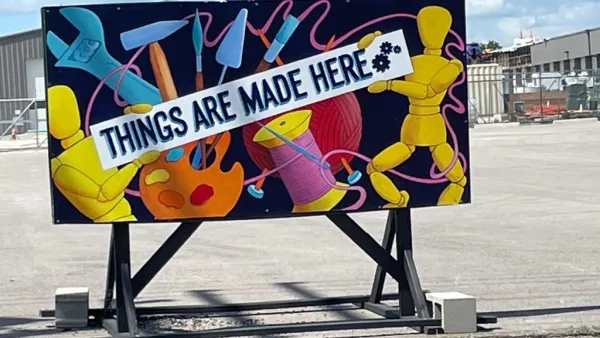
Columbia’s Revitalized ‘Loop’ Is a Hub for Local Entrepreneurs
A focus on small businesses is helping a commercial corridor in Columbia, Missouri thrive.
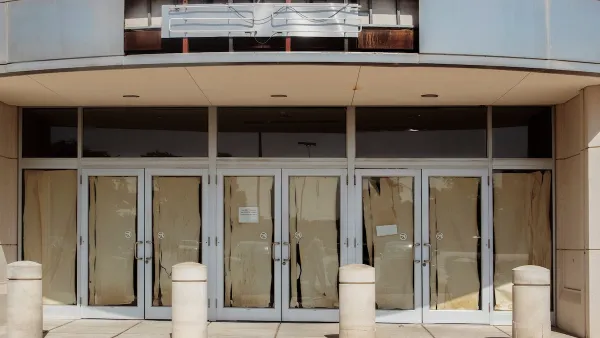
How to Repurpose Vacant Storefronts
Loosening restrictions on clean light manufacturing can revive dormant storefronts and revitalize communities.
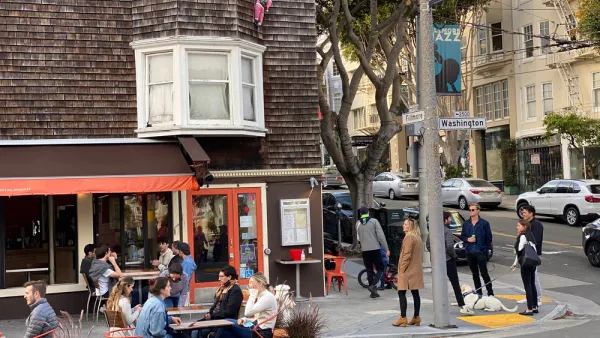
6 Surprising Ways Communities Can Grow Their Businesses Amidst the Labor Shortage
While the labor shortage has affected businesses across the country, many communities have started taking steps to support area businesses and help them thrive.

The state-sanctioned urbicide of Austin
People don’t kill cities. Freeways do.

US to reduce Colorado River water deliveries to Mexico
A new Colorado Treaty amendment reduces Mexico’s Colorado River water allocation by 250,000 acre feet.

New Jersey’s second-largest city bans standalone data centers
Jersey City will continue to allow co-location facilities, such as those meant for research institutions that store their own data.

Amtrak not solely to blame for New Jersey commuter rail's unreliability, report finds
A new study from the Garden State Initiative found that NJ Transit’s budget grew 20% across a 4 year period, but reliability declined significantly over the same period.

EPA erases limits on planet-warming pollution from power plants
Under Monday’s plan, power plants would still have some limits on how much mercury, arsenic and other contaminants they can emit.

Phoenix announces new on-demand transit service, more frequent RAPID buses
Both new services will launch in October, and are part of Phoenix's Project Effective Access Solutions for Easing Congestion.

FREE Course: Walkable City 1: Why Walkability?
After describing his path towards focusing on walkability as the essence of good planning, Jeff Speck marches through his five principal reasons for making more walkable places.
Reinventing Malls: Planning Alchemy—Turning Gray Fields Into Gold
The course focuses on the opportunities and imperatives that shape reinvention of mall sites.

Eagle County Government
Harvard University Graduate School of Design
Nashville Planning Department
The Architects Foundation
University of Cincinnati Online
The Pocatello Development Authority
The Urban Renewal Agency of the City of Pocatello
Journal of the American Planning Association


.jpg)