Developed through the input of thousands of community members, this is the first comprehensive plan by the City of Los Angeles for the 2,000-acre basin.



Los Angeles city, county, and state leaders have unveiled an ambitious vision plan featuring 47 capital projects aimed at transforming the Sepulveda Basin, a 2,000-acre green space in the San Fernando Valley. This plan includes significant restoration efforts for the Los Angeles River, focusing on enhancing public access and recreational opportunities. Key elements of the plan involve creating a cohesive bike path, improving kayaking access, and restoring natural ecosystem functions to reduce flood risks and enhance community cooling.
California Senator Henry Stern kickstarted the initiative by presenting a $2.5 million check, emphasizing the need to replace concrete and asphalt with green spaces to cool the Valley and improve public health. The restoration of the three-mile stretch of the LA River through the basin is a central focus, aiming to create a more connected and accessible recreational area. Projects include enhancing the river's floodplains to promote groundwater replenishment and habitat diversity, thus addressing public safety and environmental concerns simultaneously.
Additional projects aim to upgrade outdated facilities within the Sepulveda Basin, such as playgrounds, sports fields, and other recreational amenities. L.A. City Councilwoman Imelda Padilla highlighted the comprehensive nature of these improvements, which span from baseball and soccer fields to model airplane zones and archery ranges. These enhancements are contingent on securing further funding, but they promise to significantly enrich the recreational and ecological value of the Sepulveda Basin for the community.
FULL STORY: LA lays out vision for Sepulveda Basin; includes LA River restoration

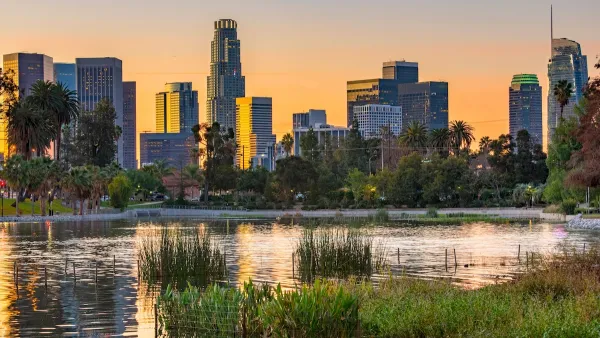
Delivering on the Promise of Parks
In LA County, even amid budget challenges, new parks are opening, targeted investments are being made in underserved communities, and long-term plans are guiding progress — demonstrating a sustained commitment to parks as essential infrastructure.
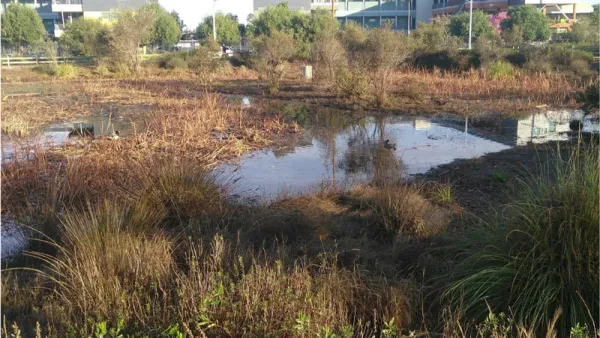
How South LA Green Spaces Power Community Health and Hope
Green spaces like South L.A. Wetlands Park are helping South Los Angeles residents promote healthy lifestyles, build community, and advocate for improvements that reflect local needs in historically underserved neighborhoods.
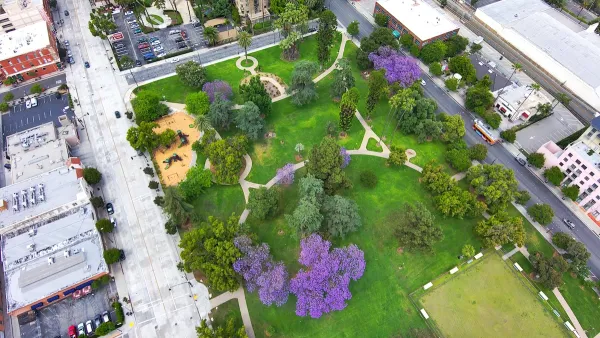
Los Angeles County Invests in Wildfire Recovery for Parks, Trails, and Open Space
The $4.25 million RESTORE Program supports the recovery of parks, trails, and open spaces damaged by the January 2025 wildfires through targeted grants that promote community healing, wildfire resilience, and equitable access to nature.

Planetizen Federal Action Tracker
A weekly monitor of how Trump’s orders and actions are impacting planners and planning in America.

The state-sanctioned urbicide of Austin
People don’t kill cities. Freeways do.

US to reduce Colorado River water deliveries to Mexico
A new Colorado Treaty amendment reduces Mexico’s Colorado River water allocation by 250,000 acre feet.

5 New England states march closer to 800 megawatt wind energy project
Securing federal approval for the project may be complicated under the Trump administration, which has historically been hostile towards domestic wind power.

Baltimore to break ground on $50 million Transit Priority Project
The project will bring faster bus trips, safer streets and better bike connections to Baltimore.

Airbnb launches $250 million 'last-dollar financing' housing accelerator, makes first investment in Austin
The company will put $6.4 million towards affordable housing development in Texas’ capital.

FREE Course: Walkable City 1: Why Walkability?
After describing his path towards focusing on walkability as the essence of good planning, Jeff Speck marches through his five principal reasons for making more walkable places.
Reinventing Malls: Planning Alchemy—Turning Gray Fields Into Gold
The course focuses on the opportunities and imperatives that shape reinvention of mall sites.

Eagle County Government
Harvard University Graduate School of Design
Nashville Planning Department
The Architects Foundation
University of Cincinnati Online
The Pocatello Development Authority
The Urban Renewal Agency of the City of Pocatello
Journal of the American Planning Association