Small, mundane infrastructure projects can make meaningful changes for pedestrian and bike safety.



“While the multi-million dollar highway project might sound impressive, it is the small-scale infrastructure projects—bike lanes, raised crossings, and the like—that are most visible and tangible to people’s lives,” write Chris McCahill and Katya Spear in a piece published by the Mayors Innovation Project. The article calls out the minimal federal investment that goes toward pedestrian and bike infrastructure and highlights the benefits of smaller projects.
According to the authors, “Small-scale infrastructure projects are a powerful tool to allow local leaders to tell better and more effective stories about how infrastructure investments are benefiting individuals and communities.” Projects as simple as a new crosswalk or an expanded sidewalk can create immediate, tangible change in people’s everyday lives.
The authors list the federal and regional grant programs and funding streams that local jurisdictions can leverage to fund these types of projects. They strongly recommend that cities and states work together to access funding sources and promote a vision with clear priorities for road safety.
Read the full story: Smaller infrastructure investments help pave the way to safer communities

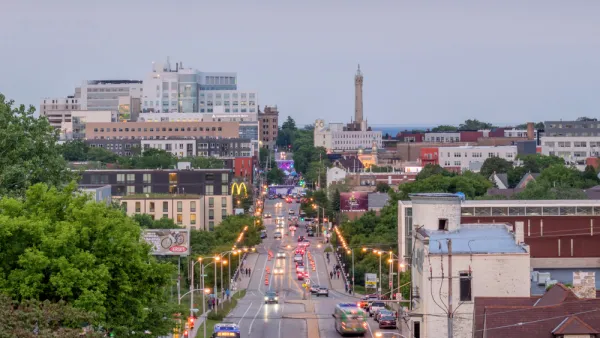
Milwaukee Launches Vision Zero Plan
Seven years after the city signed its Complete Streets Policy, the city is doubling down on its efforts to eliminate traffic deaths.
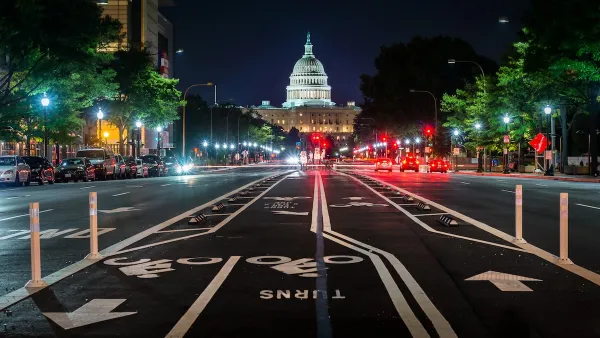
Safe Streets Funding in Jeopardy
The Trump administration is specifically targeting bike infrastructure and other road safety projects in its funding cuts.
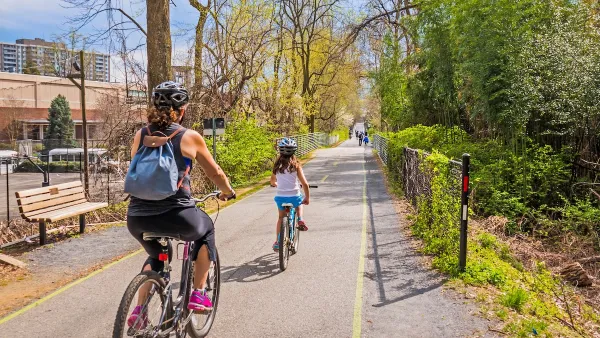
Proposed Bill Would Direct Funds to Road Safety
The Sarah Debbink Langenkamp Active Transportation Safety Act was spurred by the death of a U.S. diplomat who was killed on her bicycle.

Planetizen Federal Action Tracker
A weekly monitor of how Trump’s orders and actions are impacting planners and planning in America.

Amtrak, CN end decades-long dispute with eight-year agreement
The new operating agreement establishes an updated framework for the companies to work together, including processes to resolve disputes.

Judges permit Denver to divert 77,000 acre feet from the Colorado River for reservoir expansion
Overuse and climate change have caused the Colorado River’s water levels to plummet.

Idaho may see an 18% drop in federal surface transit funding — the largest estimated cut in the US
Transit systems in rural communities are much more reliant on federal funding to provide their services.

How ‘post-disaster gentrification’ alters neighborhoods after natural calamities
After hurricanes, fires or other calamities, the original residents of a community are often replaced by younger, wealthier residents.

Maryland local governments examine if they should have more power to raise property taxes
Maryland’s housing market is out of reach for the majority of moderate-income residents.

FREE Course: Walkable City 1: Why Walkability?
After describing his path towards focusing on walkability as the essence of good planning, Jeff Speck marches through his five principal reasons for making more walkable places.
Reinventing Malls: Planning Alchemy—Turning Gray Fields Into Gold
The course focuses on the opportunities and imperatives that shape reinvention of mall sites.

Harvard University Graduate School of Design
KFH Group Inc.
Greater Baltimore Committee
The Architects Foundation
University of Cincinnati Online
The Pocatello Development Authority
The Urban Renewal Agency of the City of Pocatello