Riders say the cost increase is not reflected in the system’s service.


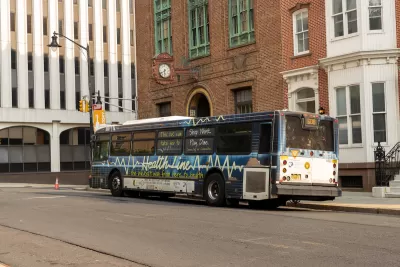
New Jersey’s transit agency, NJ Transit, is proposing a 15 percent fare increase, a change riders and advocates say will put a strain on the most transit-dependent residents. “The proposed increase would raise the cost of a one zone bus fare from $1.60 to $1.80, a trip from Jersey City to the Port Authority bus terminal in New York would increase from $3.50 to $4, bus fare from Toms River to New York City would rise from $21.25 to $24.40, according to agency documents.”
Of concern is that low-income local bus riders would be hardest hit by this fare increase because it charges the poorest riders the full percentage of the increase. Past fare increases spared local bus riders from the full percentage of fare hikes in 2010 and 2015.
As Larry Higgs explains for NJ.com, the proposal would also raise the fare by 3 percent annually after the initial increase. “It also would end the discounted FlexPass ticket and put a 30-day limit on the life of tickets, which now don’t expire.”
Read the full story: 15% NJ Transit fare hike would be a ‘huge burden’ on working New Jerseyans, riders say

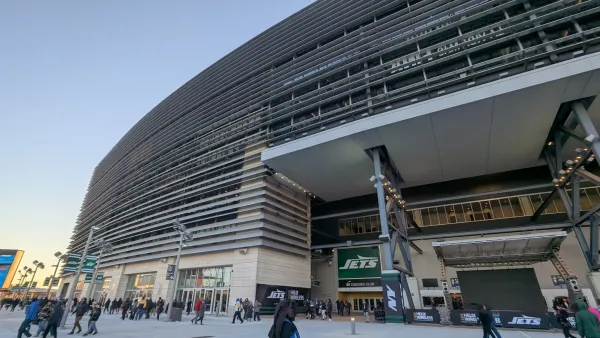
NJ Transit assures commuters they won't be paying World Cup prices
Penn Station will have to close for several hours on match days during the World Cup.
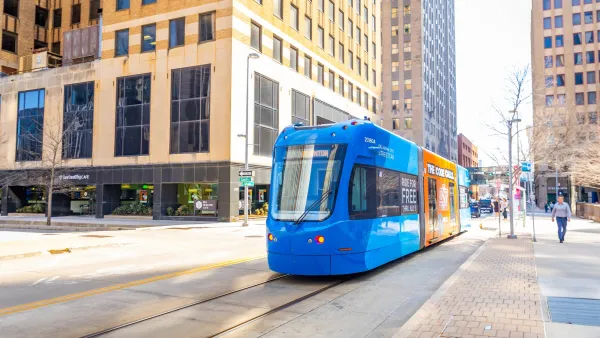
OKC streetcar will stay fare-free after ridership shot up 74%
The downtown streetcar saw a surge in ridership after it eliminated fares in January.
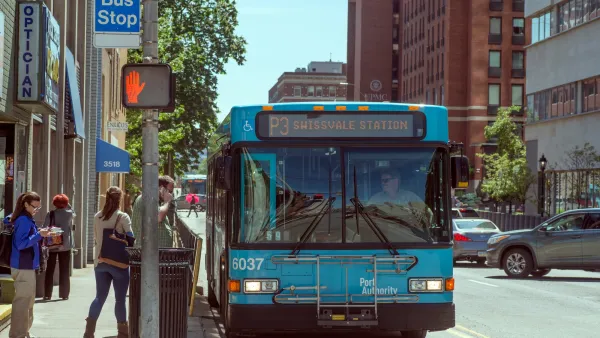
750 Pittsburgh city workers to get free transit passes
City employees working downtown will have access to free transit from Pittsburgh Regional Transit.

Planetizen Federal Action Tracker
A weekly monitor of how Trump’s orders and actions are impacting planners and planning in America.

Amtrak, CN end decades-long dispute with eight-year agreement
The new operating agreement establishes an updated framework for the companies to work together, including processes to resolve disputes.

Judges permit Denver to divert 77,000 acre feet from the Colorado River for reservoir expansion
Overuse and climate change have caused the Colorado River’s water levels to plummet.

Maryland local governments examine if they should have more power to raise property taxes
Maryland’s housing market is out of reach for the majority of moderate-income residents.

Northwest rail fans eager for Sept. 30 debut of Amtrak’s Airo fleet
Get ready for that new train smell and more seats. But they won’t go faster or run more frequently on the Cascades route in Washington and Oregon.

NYC DOT wants faster, more permanent street upgrades
The city is examining ways to build more concrete infrastructure without getting entangled in 'decades-long' projects.

FREE Course: Walkable City 1: Why Walkability?
After describing his path towards focusing on walkability as the essence of good planning, Jeff Speck marches through his five principal reasons for making more walkable places.
Reinventing Malls: Planning Alchemy—Turning Gray Fields Into Gold
The course focuses on the opportunities and imperatives that shape reinvention of mall sites.

Harvard University Graduate School of Design
KFH Group Inc.
Greater Baltimore Committee
The Architects Foundation
University of Cincinnati Online
The Pocatello Development Authority
The Urban Renewal Agency of the City of Pocatello