Seattle’s transit agency is looking to maximize its limited resources as it continues to grapple with staffing shortages and supply chain issues across the region.


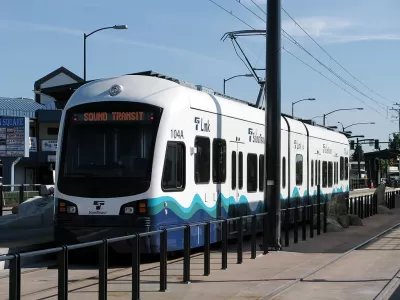
The Seattle area’s Sound Transit revealed early plans for 2024 service changes as the agency, like many others around the country, struggles with budget shortfalls.
Stephen Fesler details the plan for The Urbanist, writing that “By and large, those concepts are complicated by operations staffing shortages and Link expansion delays and constraints. The agency, however, is planning to make some service adjustments next year to coincide and support Link expansion where feasible and sensible.”
The agency plans to open the Lynnwood Link Extension, but the line won’t provide the frequency of service originally promised. Some bus routes will be shortened, and the agency will study a shorter option for the East Link line. “While the agency would like to restore service and implement substantive improvements to its ST Express bus network, staffing levels for transit operators and maintenance staff remain a big impediment.”
See the source article for a more detailed description of proposed service changes.
FULL STORY: Facing Constraints, Sound Transit Previews 2024 Service Plan

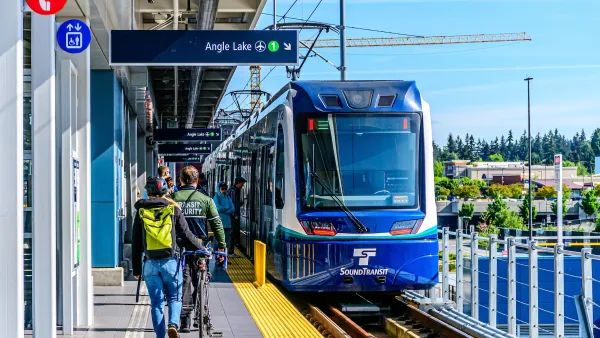
Sound Transit says train to Ballard is still coming
Agency officials say reports of the line's demise are exaggerated and that it remains in its plans.
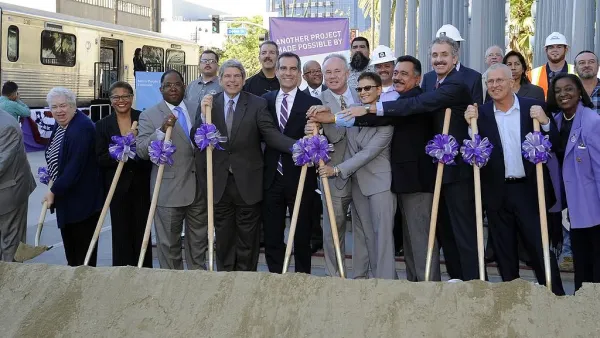
Feds Release Capital Investment Grants for Three Rail Transit Projects
Three major public transit projects in the western United States received a major infusion of funding from the federal government this week.
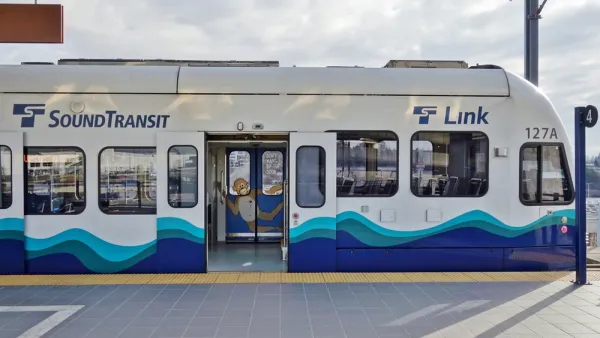
Sound Transit's Lynwood Link Gets the Federal Funding it Was Waiting For
A great sigh of relief from transit planners in the Pacific Northwest (and probably the rest of the country as well).

Planetizen Federal Action Tracker
A weekly monitor of how Trump’s orders and actions are impacting planners and planning in America.

The state-sanctioned urbicide of Austin
People don’t kill cities. Freeways do.

US to reduce Colorado River water deliveries to Mexico
A new Colorado Treaty amendment reduces Mexico’s Colorado River water allocation by 250,000 acre feet.

5 New England states march closer to 800 megawatt wind energy project
Securing federal approval for the project may be complicated under the Trump administration, which has historically been hostile towards domestic wind power.

Baltimore to break ground on $50 million Transit Priority Project
The project will bring faster bus trips, safer streets and better bike connections to Baltimore.

Airbnb launches $250 million 'last-dollar financing' housing accelerator, makes first investment in Austin
The company will put $6.4 million towards affordable housing development in Texas’ capital.

FREE Course: Walkable City 1: Why Walkability?
After describing his path towards focusing on walkability as the essence of good planning, Jeff Speck marches through his five principal reasons for making more walkable places.
Reinventing Malls: Planning Alchemy—Turning Gray Fields Into Gold
The course focuses on the opportunities and imperatives that shape reinvention of mall sites.


Eagle County Government
Harvard University Graduate School of Design
Nashville Planning Department
The Architects Foundation
University of Cincinnati Online
The Pocatello Development Authority
The Urban Renewal Agency of the City of Pocatello
Journal of the American Planning Association