A new ordinance would use automated enforcement to ticket drivers who block bike lanes, but some bike advocates say the city is avoiding the harder work of improving its bike infrastructure.


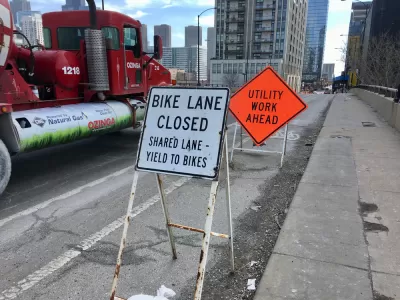
An ordinance aimed at improving road safety for Chicago bike riders is drawing mixed reviews from bike advocates, some of whom say it doesn’t go far enough to address safety concerns. Mina Bloom outlines the debate for Block Club Chicago.
“Under the measure, the city would install cameras on city vehicles and street poles in two pilot areas Downtown to identify parking violators and mail them a ticket.” The city says in addition to protecting people on bikes, this could also reduce congestion and speed up bus service. Christina Whitehouse, the founder of Bike Lane Uprising, calls the measure “light on details,” noting that there was little engagement with the public and bike advocates before its announcement. Whitehouse adds that the ordinance “doesn’t address pressing concerns for cyclists, such as dangerous construction zones and poor maintenance of city streets.” For Whitehouse, “it doesn’t feel like it’s genuinely about safety. It feels like it’s about trying to get votes for [Mayor Lightfoot’s] reelection.”
Other advocates also point out that the ordinance doesn’t take steps to address the city’s “shoddy bike lanes” or account for equity concerns. According to the city, low-income drivers could get reduced fines under the city’s Clear Path Relief Pilot Program.
Read the full story: City Plan To Ticket Drivers Who Block Bike Lanes Downtown Draws Mixed Reaction From Cycling Advocates

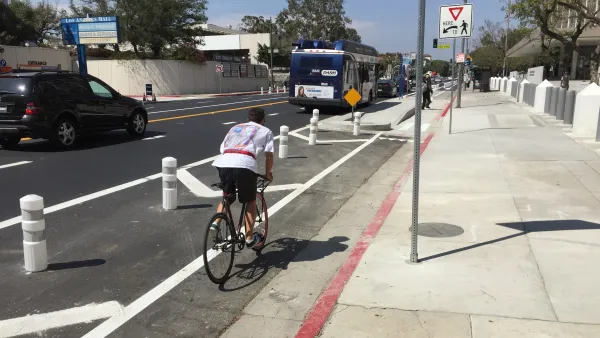
Less Paint, More Barriers, Make for Better Urban Cycling
New research from the University of Colorado Denver and the University of New Mexico sheds light on how to make cities safer for cyclists and other road users and refutes some assumptions about bike safety, such as "safety-in-numbers."
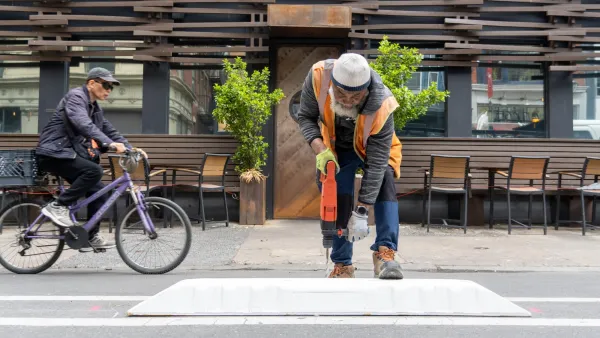
Philadelphia adds new safety measures to 13th Street bike lane
The city is piloting plastic, modular bike lane separators that buffer cyclists from the adjacent vehicle lane.

The 5 Safest Cities for Cyclists in America — and What They Have in Common
Cities with low fatality rates for people on bikes have made strong commitments to building safe, protected bike networks and supporting Complete Streets.

Planetizen Federal Action Tracker
A weekly monitor of how Trump’s orders and actions are impacting planners and planning in America.

The state-sanctioned urbicide of Austin
People don’t kill cities. Freeways do.

Colorado’s Largest Data Center Could Rise Next to Homes — Without a Public Hearing
The proposed campus would consume 11 times the power of Denver International Airport; as it has across the country, opposition mounts.

Judges permit Denver to divert 77,000 acre feet from the Colorado River for reservoir expansion
Overuse and climate change have caused the Colorado River’s water levels to plummet.
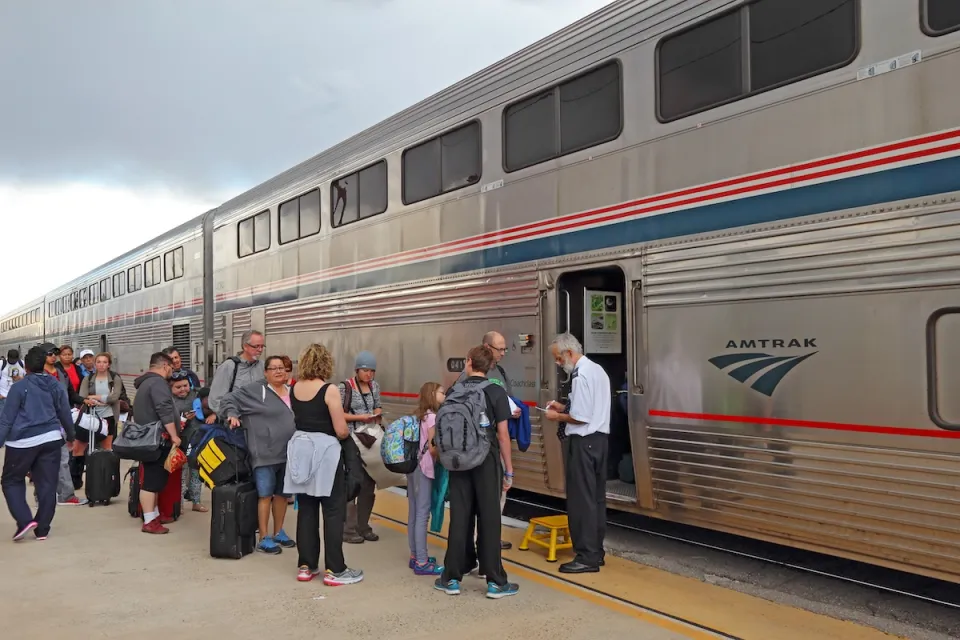
Amtrak, CN end decades-long dispute with eight-year agreement
The new operating agreement establishes an updated framework for the companies to work together, including processes to resolve disputes.
Raised interest rates may kill financially vulnerable construction projects
The chief economist at ConstructConnect warns that if construction project owners are negatively impacted by the raised rates, it could result in delayed payments to contractors.

FREE Course: Walkable City 1: Why Walkability?
After describing his path towards focusing on walkability as the essence of good planning, Jeff Speck marches through his five principal reasons for making more walkable places.
Reinventing Malls: Planning Alchemy—Turning Gray Fields Into Gold
The course focuses on the opportunities and imperatives that shape reinvention of mall sites.

Greater Baltimore Committee
Eagle County Government
Harvard University Graduate School of Design
The Architects Foundation
University of Cincinnati Online
The Pocatello Development Authority
The Urban Renewal Agency of the City of Pocatello
Journal of the American Planning Association