The auto-centric county has been building new bike trails and pedestrian facilities, but more improvements are necessary to reduce the number of pedestrian deaths and injuries, planners say.



Planners in Montgomery County presented a set of recommendations aimed at making the region safer for pedestrians, particularly aging people and transit-dependent residents, reports Katherine Shaver in the Washington Post.
“Building sidewalks more quickly — and before residents have to ask — is one of dozens of recommendations they presented this past week for the first countywide “pedestrian master plan” aimed at retrofitting a suburb designed for cars.” Other suggestions include improved street lighting, more shade trees, and smaller county vehicles that are safer for pedestrians.
To ensure equity in deploying improvements, “Planners say they will use public input and safety data to prioritize improvements based on where they are needed most, rather than catering to residents who press for them most persistently.”
As Shaver notes, “About 11 percent of all trips in the Washington region are made by foot or bicycle, according to the Metropolitan Washington Council of Governments. Even as the region has opened new trails, added bike racks to buses and incorporated pedestrian and cycling facilities into larger transportation projects, COG officials say, safety remains a problem.” Pedestrians remain highly vulnerable: “While they were involved in 4 percent of all Montgomery collisions between 2015 and 2020, they suffered 27 percent of severe injuries and fatalities, planners say.”
Read the full story: In auto-centric Montgomery, planners suggest ways to make walking safer

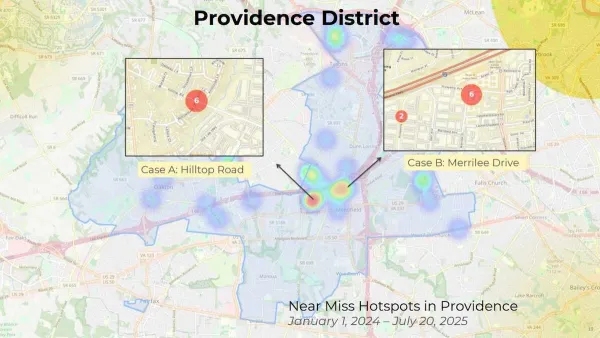
Virginia Study Catches Near-Miss Hotspots Before Pedestrians Die
Analyzing reported ‘near-misses’ can reveal road safety gaps and prevent more serious crashes and injuries.
Report: Top US Cities for Pedestrian Safety
The East Coast takes the top three spots, while the South and Southwest dominate the bottom of the list.
Sacramento Isn’t Giving up on Rainbow Crosswalks
A city program will fund artist-created crosswalks near two elementary schools as part of its effort to eliminate traffic deaths.

Planetizen Federal Action Tracker
A weekly monitor of how Trump’s orders and actions are impacting planners and planning in America.
Colorado’s Largest Data Center Could Rise Next to Homes — Without a Public Hearing
The proposed campus would consume 11 times the power of Denver International Airport; as it has across the country, opposition mounts.

US to reduce Colorado River water deliveries to Mexico
A new Colorado Treaty amendment reduces Mexico’s Colorado River water allocation by 250,000 acre feet.

'This is going to be painful:’ Virginia stares down $1.7 billion funding gap for highway maintenance
The state may address the deficit by shifting $290 million from its construction budget to maintenance projects.
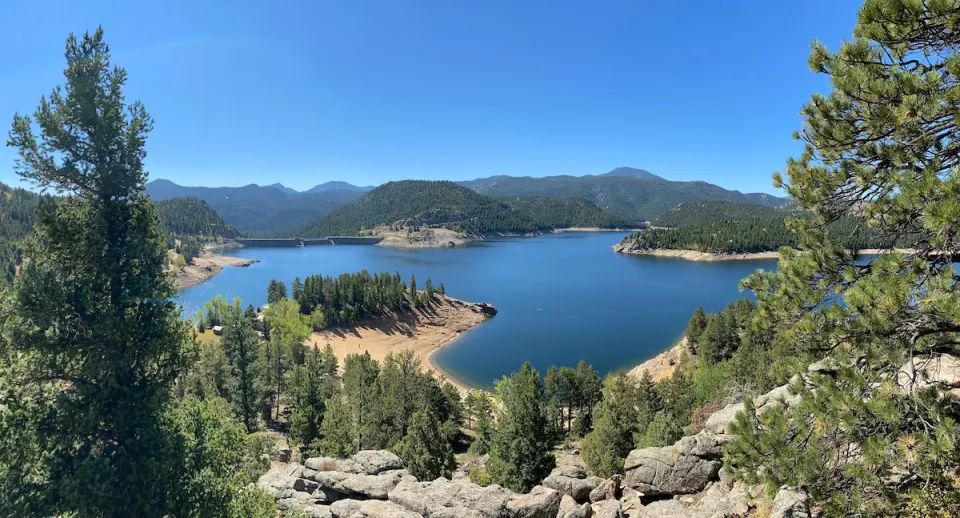
Judges permit Denver to divert 77,000 acre feet from the Colorado River for reservoir expansion
Overuse and climate change have caused the Colorado River’s water levels to plummet.
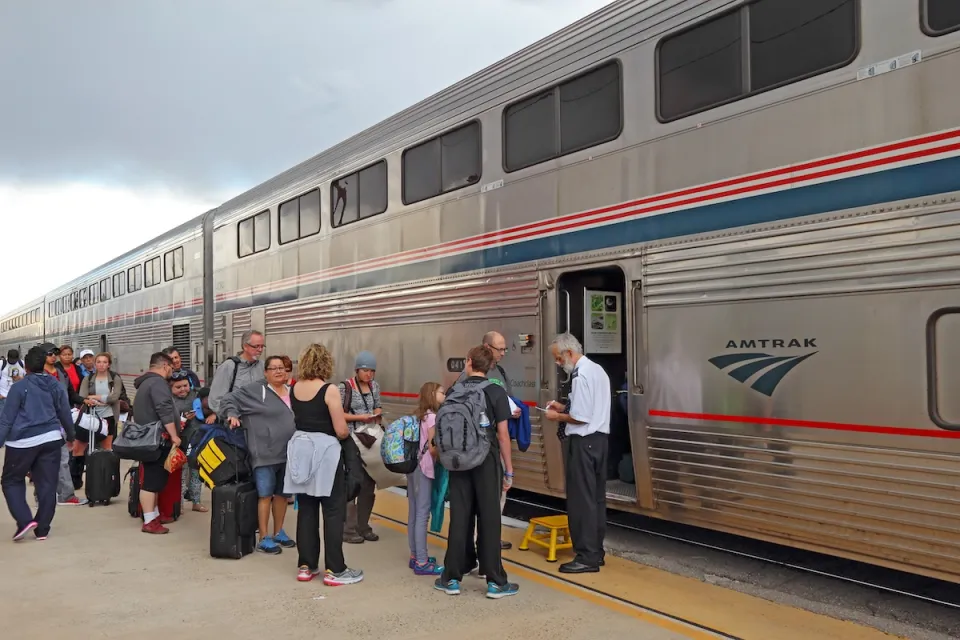
Amtrak, CN end decades-long dispute with eight-year agreement
The new operating agreement establishes an updated framework for the companies to work together, including processes to resolve disputes.

FREE Course: Walkable City 1: Why Walkability?
After describing his path towards focusing on walkability as the essence of good planning, Jeff Speck marches through his five principal reasons for making more walkable places.
Reinventing Malls: Planning Alchemy—Turning Gray Fields Into Gold
The course focuses on the opportunities and imperatives that shape reinvention of mall sites.

KFH Group Inc.
Greater Baltimore Committee
Eagle County Government
The Architects Foundation
University of Cincinnati Online
The Pocatello Development Authority
The Urban Renewal Agency of the City of Pocatello