The scenic road has been closed to car traffic during the pandemic, but the park service could begin allowing through traffic nine months of the year.


The National Park Service (NPS) announced a tentative plan to open the upper portion of Beach Drive in Washington, D.C.’s Rock Creek Park to vehicular traffic during non-summer months, a decision that has brought criticism from multiple sides. As reported by Jordan Pascale in DCist, while some local residents worry about traffic diverting to their neighborhoods, pedestrian and bike advocates argue that opening the road to cars removes the road as a “car-free haven.” During the pandemic, the upper 4.3 miles of the road have been closed to through traffic, a change that many feel should become permanent. After all, “Beach Drive was originally designed as an internal park road to provide recreational access to the valley, according to NPS documents.”
According to a press release from the NPS, “The NPS sees the seasonal closure as the best way to protect park resources and strike a balance of different uses – whether visitors are walking, cycling, commuting or scenic-driving.” As Pascale notes, “More than 4,100 people weighed in during the comment period. The study was set to be released at the end of 2021 but was delayed for unknown reasons. Over 1,800 commenters asked for full closure for recreation while 343 people wanted it to return back to weekday through traffic.”
Addressing the traffic concerns, “A District Department of Transportation traffic analysis found traffic delays and impacts are predicted to be minor — an additional 2-5 minutes of travel time during rush hour on 16th Street — and could be mitigated with tools like adjusting traffic light timing and other measures.”
Garrett Hennigan of the Washington Area Bicyclist Association, who supports full year-round closure of the street to cars, said in a statement, “We are disappointed and frustrated that the National Park Service has dismissed the requests of the D.C. and Montgomery County Councils and instead prioritized moving cars and minimally reducing car congestion over its core mission of recreation and preserving natural spaces.”
Like Beach Drive, other pandemic-area ‘open streets’ face an uncertain future as local officials grapple with opposing factions and resurgent traffic.
FULL STORY: Park Service Wants To Ban Commuting Cars From Beach Drive, But Only During Summer Months

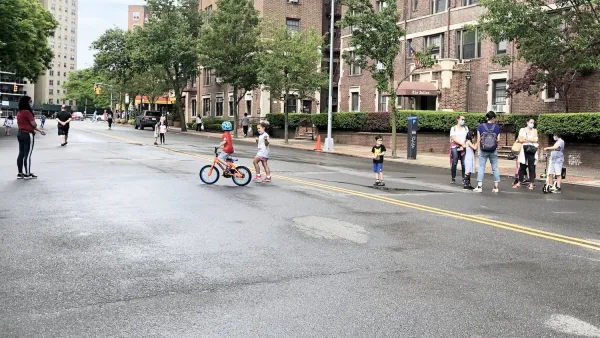
NYC Open Streets Organizers Call for City Support
The number of open streets projects has dropped year after year as volunteer groups struggle to fund and staff them.

Lessons in Child-Friendly Cities From Europe
How parklets, open streets, and green spaces make cities safer and friendlier for children and families.
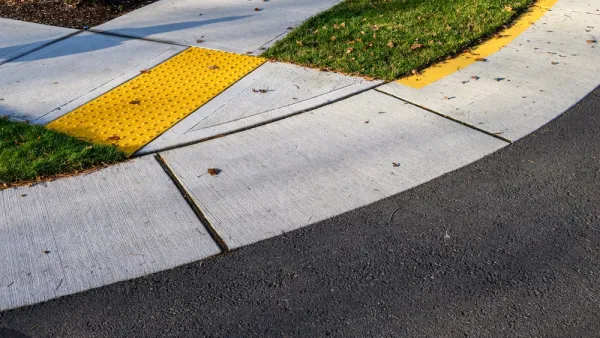
Universal Design in D.C.’s Rock Creek Park
After being closed to cars during the pandemic, Rock Creek Park’s Beach Drive has become a haven for people with mobility impairments.

Planetizen Federal Action Tracker
A weekly monitor of how Trump’s orders and actions are impacting planners and planning in America.

The state-sanctioned urbicide of Austin
People don’t kill cities. Freeways do.

US to reduce Colorado River water deliveries to Mexico
A new Colorado Treaty amendment reduces Mexico’s Colorado River water allocation by 250,000 acre feet.

5 New England states march closer to 800 megawatt wind energy project
Securing federal approval for the project may be complicated under the Trump administration, which has historically been hostile towards domestic wind power.

Baltimore to break ground on $50 million Transit Priority Project
The project will bring faster bus trips, safer streets and better bike connections to Baltimore.

Airbnb launches $250 million 'last-dollar financing' housing accelerator, makes first investment in Austin
The company will put $6.4 million towards affordable housing development in Texas’ capital.

FREE Course: Walkable City 1: Why Walkability?
After describing his path towards focusing on walkability as the essence of good planning, Jeff Speck marches through his five principal reasons for making more walkable places.
Reinventing Malls: Planning Alchemy—Turning Gray Fields Into Gold
The course focuses on the opportunities and imperatives that shape reinvention of mall sites.


Eagle County Government
Harvard University Graduate School of Design
Nashville Planning Department
The Architects Foundation
University of Cincinnati Online
The Pocatello Development Authority
The Urban Renewal Agency of the City of Pocatello
Journal of the American Planning Association