More cities are banning the use of natural gas in new buildings. Seattle is the latest example.



The Seattle City Council approved code changes that ban natural gas for space heating in new commercial and residential construction and prohibits the use of natural gas to heat water in new apartments and large apartment buildings, according to an article by Hal Bernton and David Gutman.
The energy code changes are part of a broader effort to find ways to reduce the city’s greenhouse gas pollution from fossil fuels that drive climate change. Without the code changes, Seattle officials projected the building emissions would have been 12% higher by 2050, when the city government has set a target of being carbon neutral.
The changes allow natural gas for cooking in new buildings, "But electrical outlets would be required near stoves so that electric stoves could be installed later."
A separate article by Shaun Kuo provides additional details and background on the new ordinance:
This legislation would realize a code consisting of the 2018 International Energy Conservation Code with Washington state amendments and Seattle amendments. It will improve the building insulation, space heating, lighting, and renewable energy systems standards for new construction of multifamily buildings taller than three stories and all non-residential buildings.
Seattle joins a wave of cities legislating natural gas out of new construction, including San Francisco and Berkeley.
FULL STORY: Seattle City Council passes measure to end most natural gas use in commercial buildings and some apartments

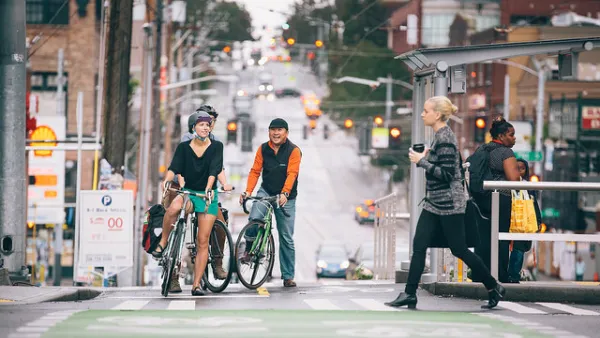
Plan for Emissions-Free Zone Takes Shape in Seattle
The city of Seattle is working on a plan to create a zero-emissions zone to mitigate urban pollution and reduce carbon emissions in dense, congested parts of the city.
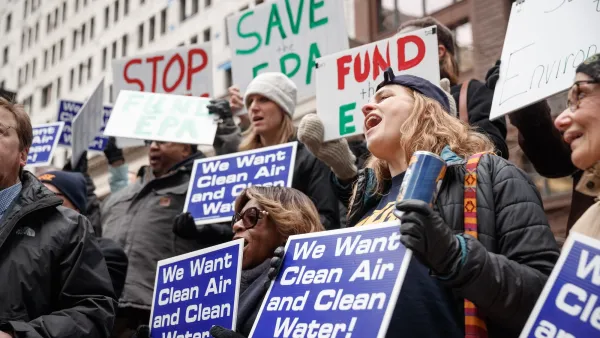
EPA Guts Emissions Regulations
The agency is eliminating the endangerment finding that underpins the agency’s authority to regulate greenhouse gas emissions.

House Moves to Rescind California’s Emissions Standards
The state has been allowed to set its own emissions goals, including a mandate to transition to electric or zero-emissions vehicles by 2035.

Planetizen Federal Action Tracker
A weekly monitor of how Trump’s orders and actions are impacting planners and planning in America.

The state-sanctioned urbicide of Austin
People don’t kill cities. Freeways do.

US to reduce Colorado River water deliveries to Mexico
A new Colorado Treaty amendment reduces Mexico’s Colorado River water allocation by 250,000 acre feet.

5 New England states march closer to 800 megawatt wind energy project
Securing federal approval for the project may be complicated under the Trump administration, which has historically been hostile towards domestic wind power.

Baltimore to break ground on $50 million Transit Priority Project
The project will bring faster bus trips, safer streets and better bike connections to Baltimore.

Airbnb launches $250 million 'last-dollar financing' housing accelerator, makes first investment in Austin
The company will put $6.4 million towards affordable housing development in Texas’ capital.

FREE Course: Walkable City 1: Why Walkability?
After describing his path towards focusing on walkability as the essence of good planning, Jeff Speck marches through his five principal reasons for making more walkable places.
Reinventing Malls: Planning Alchemy—Turning Gray Fields Into Gold
The course focuses on the opportunities and imperatives that shape reinvention of mall sites.

Eagle County Government
Harvard University Graduate School of Design
Nashville Planning Department
The Architects Foundation
University of Cincinnati Online
The Pocatello Development Authority
The Urban Renewal Agency of the City of Pocatello
Journal of the American Planning Association