Emissions Reductions
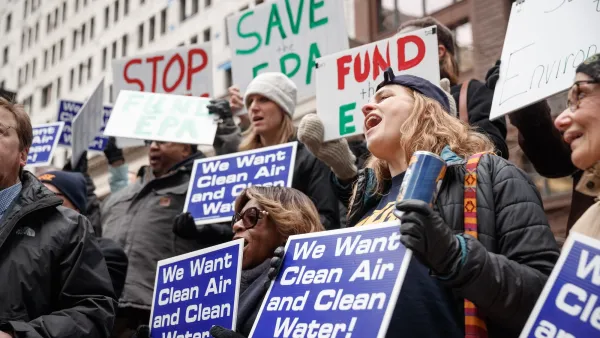
EPA Guts Emissions Regulations
The agency is eliminating the endangerment finding that underpins the agency’s authority to regulate greenhouse gas emissions.
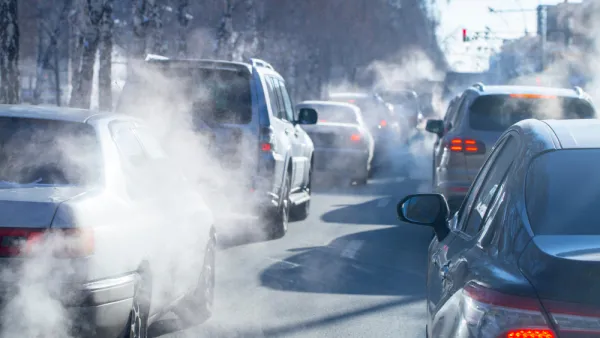
House Moves to Rescind California’s Emissions Standards
The state has been allowed to set its own emissions goals, including a mandate to transition to electric or zero-emissions vehicles by 2035.

LA’s Trees Absorb More Carbon Than Expected, But Can’t Do It Alone
A USC study finds that Los Angeles’ urban trees absorb more carbon than expected, but while they provide crucial environmental benefits, they cannot replace the urgent need for systemic emissions reductions.
Report: 14 States Increased Per-Capita Carbon Emissions
Many of the states on the list are red-leaning states that fought against federal environmental reporting regulations.

Massachusetts Has the Nation’s Only Successful Food Waste Ban
The state has reduced its methane emissions by 25.7 percent per ton of waste following a law that seeks to eliminate food waste from landfills.
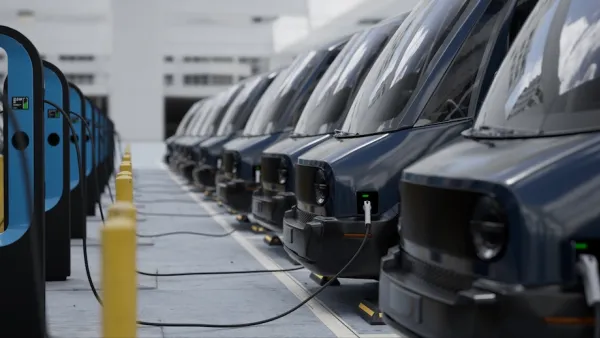
USDOT Unveils Strategies to Achieve Near-Zero Transportation Emissions
Three key strategies — reducing travel distances, increasing energy-efficient travel modes, and transitioning to zero-emission vehicles and fuels — are recommended to meet national climate goals under the Paris Agreement.
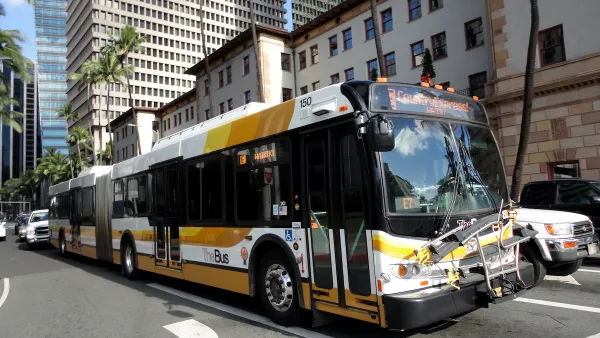
Youth Activists Secure Landmark Climate Agreement for Zero Emissions in Hawaii
The unprecedented climate settlement compels the state's transportation department to achieve zero emissions by 2045, marking a significant victory for climate justice and constitutional rights.

Pittsburgh Regional Transit Launches First Ever Climate Action Plan
In addition to reducing emissions, the agency officials hope the climate action plan will help increase ridership and boost their competitiveness when applying for federal transit funding.

Seattle Passes Building Emissions Law
The law calls for buildings larger than 20,000 square feet to eliminate fossil fuels by 2050.

10 Best, Worst States for Climate-Friendly, Equitable Transportation
California and Kentucky bookend a recent ranking of how well states are using federal infrastructure money to address climate change and racial inequities in their transportation networks.
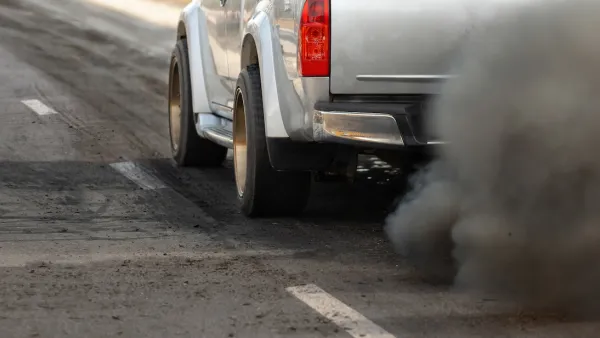
FHWA Issues Emissions Tracking Rule
The agency will require states to monitor transportation emissions and create plans to address air pollution.
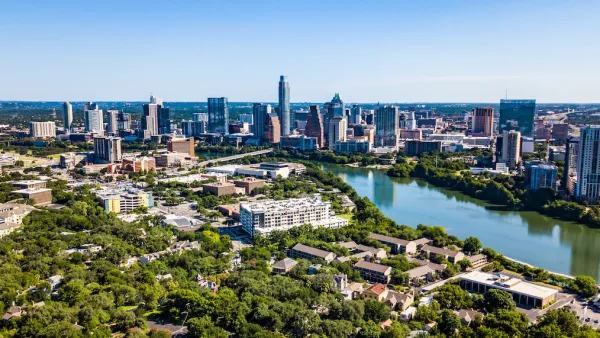
How Housing Density Could Help Austin Reach Climate Goals
With housing and transportation as the two biggest sources of carbon emissions, a new report shows how boosting density near transit would accelerate emissions reductions.

California to Invest $750 Million in 16 ’Jobs-Rich’ Areas
California is funding a sweeping package of investments expected to deliver big benefits in housing affordability and greenhouse gas emission reductions.

Offshore Wind Power Projects Face Financial Headwind
As offshore wind projects along the East Coast stall, so do the country’s emissions reduction goals.
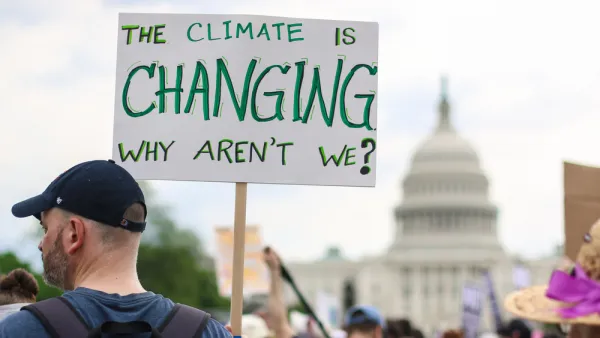
IPCC Report: The World Is Running Out of Time on Climate Change
The planet is not doing enough to reduce greenhouse gas emissions, according to a recent report published by the United Nations’ International Panel on Climate Change (IPCC).
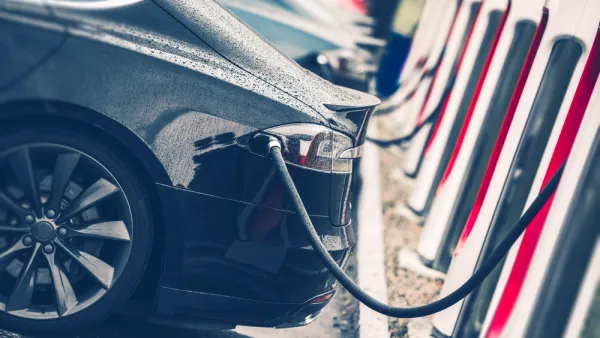
Virginia Ties Clean Car Standards to California
The last obstacle to a 2021 bill linking Virginia’s emissions standards to California policy was defeated on a party-line vote in the state’s legislature, paving the way for a shift to electric vehicles.
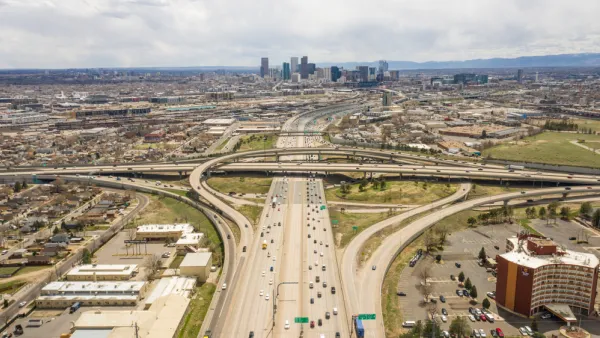
Colorado Emissions Reduction Plan Ties Sustainable Transportation to State Funding
The state’s Greenhouse Gas Planning Standard uses tangible financial penalties to prioritize transportation projects that reduce emissions.

Small Modes Are Beautiful!
Active modes (walking, bicycling and their variants) and micromodes (e-bikes and e-scooters) can provide large climate emission reductions and other important benefits, if we let them. Small modes are important but often undercounted and undervalued.
Federal Plan Takes Aim at Transportation Emissions
The U.S. National Blueprint for Transportation Decarbonization is designed to guide federal investment and regulations, focusing on electrification with a nod to transit investment and walkability.
Comprehensive Transportation Emission Reduction Planning
Many jurisdictions have ambitious greenhouse gas emission reduction targets and are developing plans to achieve them. This column discusses the factors that should be considered in this planning process.

FREE Course: Walkable City 1: Why Walkability?
After describing his path towards focusing on walkability as the essence of good planning, Jeff Speck marches through his five principal reasons for making more walkable places.
Reinventing Malls: Planning Alchemy—Turning Gray Fields Into Gold
The course focuses on the opportunities and imperatives that shape reinvention of mall sites.

Harvard University Graduate School of Design
KFH Group Inc.
Greater Baltimore Committee
The Architects Foundation
University of Cincinnati Online
The Pocatello Development Authority
The Urban Renewal Agency of the City of Pocatello