The Staten Island Expressway is expanding in the name of congestion relief.


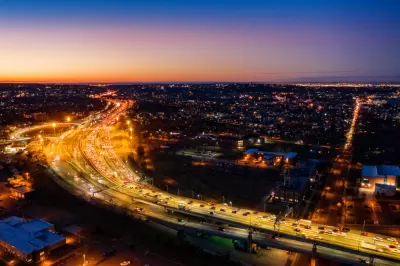
The New York State Department of Transportation (NYSDOT) recently announced the beginning of construction on a new westbound lane on the Staten Island Expressway, reports Erik Bascome. The new lane will be added between the northbound Martin Luther King Jr. Expressway entrance ramp and the South Avenue exit ramp.
NYSDOT Commissioner Marie Therese Dominguez is quoted in the article promising that the project will reduce congestion, both on the expressway and on adjacent local roadways.
"The approximately $3.3 million project will construct an additional lane to provide more time for vehicles to merge onto or exit the expressway, subsequently increasing vehicle capacity, improving mobility and significantly reducing traffic congestion along that stretch," writes Bascome.
The new auxiliary lane is the latest of hundreds of millions of dollars invested in improving the roadway and its entrances and exits, according to the article.
The article does not mention any criticism of the project from local groups or environmentalists, not does it mention the climate emissions the road will add to the transportation system, nor the possibility that induced demand will render obsolete the congestion relief promised by the project's supporters.
FULL STORY: New auxiliary lane coming to westbound Staten Island Expressway

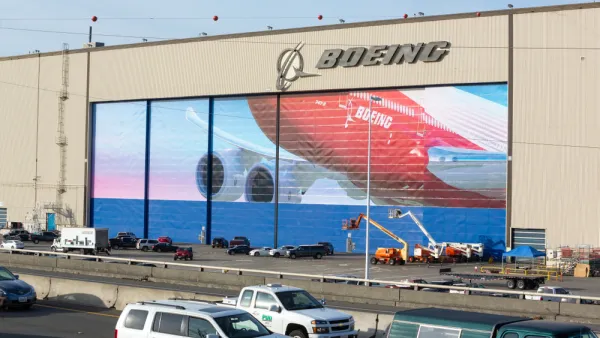
Widening, Other Improvements Planned for the 'Boeing Freeway'
The Washington State Department of Transportation is proposing a series of changes to State Route 526 that includes a new eastbound travel lane.
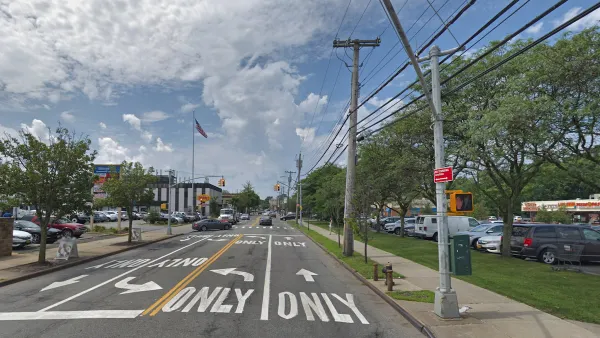
Staten Island Road Widening Project Moves Forward
New York’s Department of Transportation plans to double the width of a Staten Island street to accommodate more vehicular traffic.
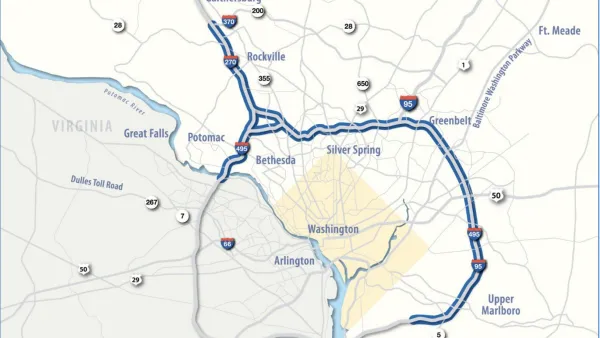
Maryland Highway Widening Plans Moving Forward Under New Governor
Maryland Governor Wes Moore is differentiating his new administration from his predecessor’s, but some projects, like the widening of federal highways in the Capital Beltway, stay the same.

Planetizen Federal Action Tracker
A weekly monitor of how Trump’s orders and actions are impacting planners and planning in America.

The state-sanctioned urbicide of Austin
People don’t kill cities. Freeways do.

US to reduce Colorado River water deliveries to Mexico
A new Colorado Treaty amendment reduces Mexico’s Colorado River water allocation by 250,000 acre feet.

5 New England states march closer to 800 megawatt wind energy project
Securing federal approval for the project may be complicated under the Trump administration, which has historically been hostile towards domestic wind power.

Baltimore to break ground on $50 million Transit Priority Project
The project will bring faster bus trips, safer streets and better bike connections to Baltimore.

Airbnb launches $250 million 'last-dollar financing' housing accelerator, makes first investment in Austin
The company will put $6.4 million towards affordable housing development in Texas’ capital.

FREE Course: Walkable City 1: Why Walkability?
After describing his path towards focusing on walkability as the essence of good planning, Jeff Speck marches through his five principal reasons for making more walkable places.
Reinventing Malls: Planning Alchemy—Turning Gray Fields Into Gold
The course focuses on the opportunities and imperatives that shape reinvention of mall sites.

Eagle County Government
Harvard University Graduate School of Design
Nashville Planning Department
The Architects Foundation
University of Cincinnati Online
The Pocatello Development Authority
The Urban Renewal Agency of the City of Pocatello
Journal of the American Planning Association