Youth sports in America have been devastated by the coronavirus which prompted the shutdown of programs and facilities for play and practice.


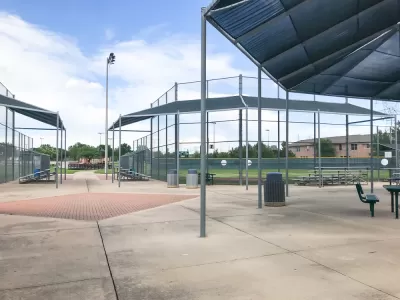
For sports fans, life has gotten better with the return of basketball, baseball, football, and soccer on TV over the past few months. However, for most kids in youth sports programs, things have changed little since March because they are still unable to practice or play with their peers and many sports facilities are still closed due to public health orders to prevent the spread of COVID-19.
In this article, Kurt Streeter explains how the lack or absence of youth sports is devastating the lives of children, parents, coaches, and even entire communities. Streeter shares the story of father and coach Tyrone Riley, who is having a hard time finding places for his sons to practice and be active in the South Los Angeles community of Watts where recreation centers, gyms, and outdoor basketball courts remain off-limits.
The article also discusses the results of a survey by Aspen Institute concerning how youth sports had been impacted for families coping with the pandemic. The study reveals that American children ranging in age from six to 18 are playing far less now than before the outbreak. Overall, there has been a nearly 50 percent decrease.
Participation in youth sports offers many, well documented positive benefits. Unfortunately, most kids are unable to experience those benefits right now and this may have ramifications in the years to come.
FULL STORY: ‘Everything Is Closed Down.’ The Lack of Youth Sports Is a Crisis.

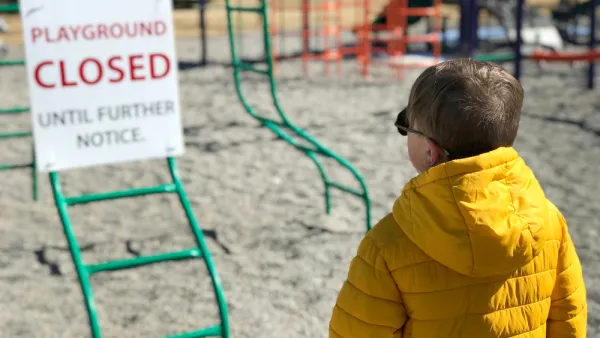
The Battle for Playgrounds
New York City parents are unhappy that fitness enthusiasts are turning to playgrounds for their workouts.
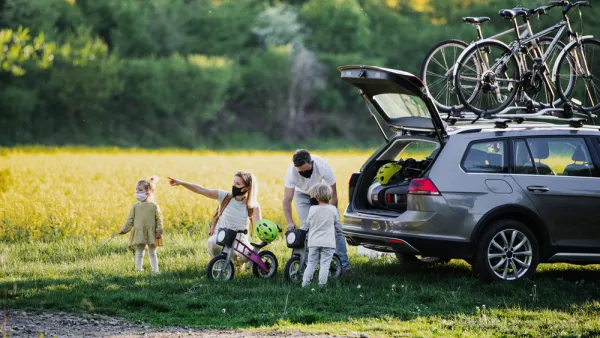
How COVID-19 Has Impacted Outdoor Recreation
A new report commissioned by the Outdoor Industry Association offers valuable insights about Americans’ engagement in outdoor activities amid the COVID-19 pandemic.
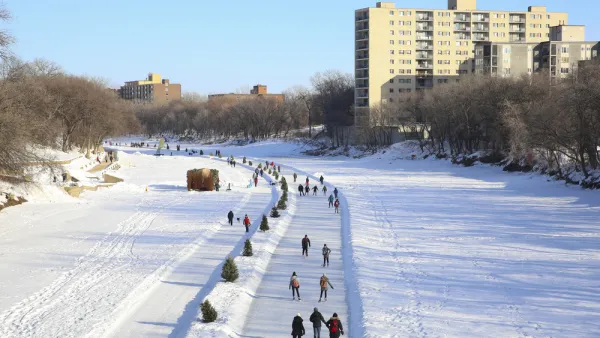
Serpentine Maze: Pop-Up Parks in the Pandemic
If the combined effects of winter's cold and the pandemic has you bummed, check out this community-building exercise in the frozen North.

The state-sanctioned urbicide of Austin
People don’t kill cities. Freeways do.

US to reduce Colorado River water deliveries to Mexico
A new Colorado Treaty amendment reduces Mexico’s Colorado River water allocation by 250,000 acre feet.

New Jersey’s second-largest city bans standalone data centers
Jersey City will continue to allow co-location facilities, such as those meant for research institutions that store their own data.

Amtrak not solely to blame for New Jersey commuter rail's unreliability, report finds
A new study from the Garden State Initiative found that NJ Transit’s budget grew 20% across a 4 year period, but reliability declined significantly over the same period.

EPA erases limits on planet-warming pollution from power plants
Under Monday’s plan, power plants would still have some limits on how much mercury, arsenic and other contaminants they can emit.

Phoenix announces new on-demand transit service, more frequent RAPID buses
Both new services will launch in October, and are part of Phoenix's Project Effective Access Solutions for Easing Congestion.

FREE Course: Walkable City 1: Why Walkability?
After describing his path towards focusing on walkability as the essence of good planning, Jeff Speck marches through his five principal reasons for making more walkable places.
Reinventing Malls: Planning Alchemy—Turning Gray Fields Into Gold
The course focuses on the opportunities and imperatives that shape reinvention of mall sites.

Eagle County Government
Harvard University Graduate School of Design
Nashville Planning Department
The Architects Foundation
University of Cincinnati Online
The Pocatello Development Authority
The Urban Renewal Agency of the City of Pocatello
Journal of the American Planning Association